
How to Document and Preserve Evidence in a Product Liability Lawsuit?
If a defective or dangerous product causes harm to a person, he or she has the right to seek compensation through a product liability lawsuit. However, the creation of a strong case requires detailed documentation and preservation of evidence. If you do not do so, it can significantly weaken your claim and jeopardize the chances of receiving fair compensation.
If you have been injured by a defective product, you must understand the importance of documentation and preservation to obtain fair compensation. If you take these proactive measures, you can increase your chances of receiving compensation for the damage caused by the defective product.
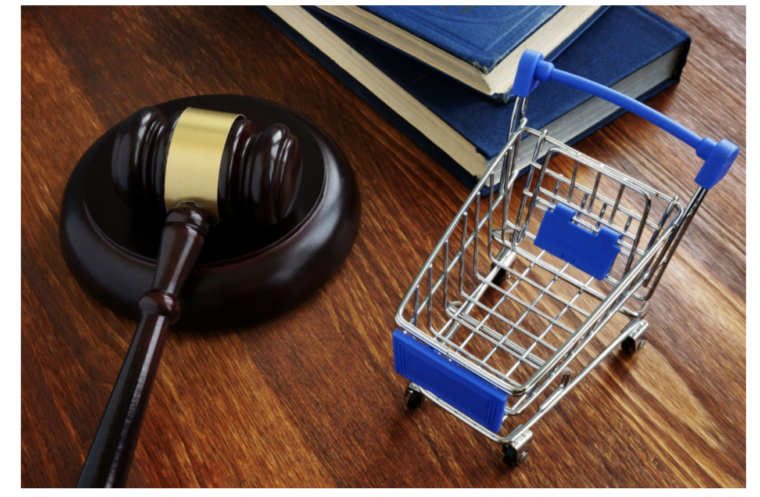
Importance of Evidence in a Product Liability Case
In a product liability lawsuit, the burden of proof lies with the plaintiff. To prevail, you must demonstrate that the product in question was defective or unreasonably dangerous and that this defect directly caused your injuries or damages. If you do not have convincing evidence to support your claim, your case may be rejected or result in an unfavorable outcome.
According to studies by the American Bar Association (ABA), more than 90% of plaintiffs in product liability cases have strong evidence, whereas the success rate falls below 20% for those with weak evidence. Therefore, it is essential that you thoroughly gather and present evidence to support your case in a product liability lawsuit.
Documentation of the Incident and Injuries
Detailed Incident Report
Create a detailed written report describing what happened immediately after the incident. Include the date, time, location, and a chronological account of the events leading up to the incident. Describe the use of the product, any visible defects or malfunctions, as well as the specific injuries or damages suffered.
Photographic and Video Evidence
In the case of product liability, visual documentation is very important. Take clear and high-quality photographs and videos of the product, any visible defects or damage, as well as your injuries from different angles. Capture the surrounding environment and any relevant contextual details.
Medical Records and Documentation
If you have suffered an injury, seek immediate medical attention and ensure that all medical records, including diagnoses, treatment plans, and prognoses, are carefully documented. These records will serve as key evidence of the extent of your injuries and their direct link to the defective product.
Preserving the Product and Evidence Related
Secure the Defective Product
Immediately secure and preserve the defective product in its post-incident condition. Do not try to repair, modify, or discard the product as this could jeopardize the integrity of the evidence. The product should be stored in a safe and secure place, away from potential contamination or tampering.
To accurately assess the cause of the problem, it is necessary to ensure that the defective product remains in the same state as when the accident occurred. Any changes to the product could lead to difficulties in determining liability.
Gathering Related Documentation
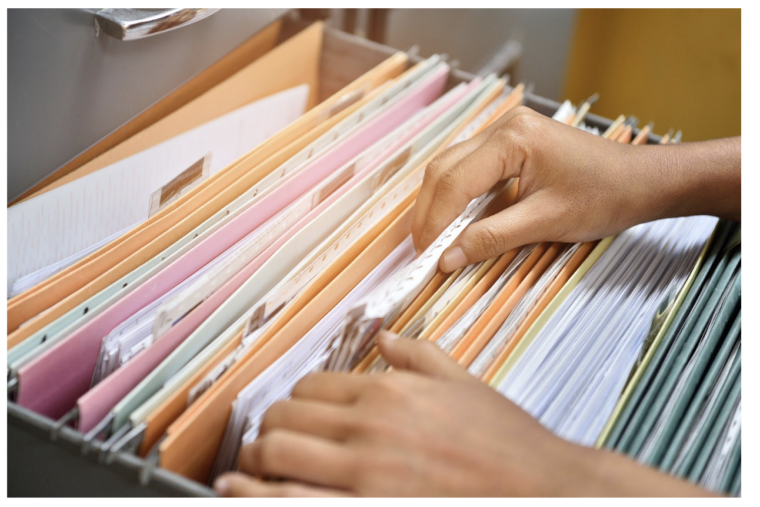
Collect and organize all relevant documentation related to the product. This includes purchase receipts, instruction manuals, warranties, maintenance records, and any communication with the manufacturer or retailer concerning the performance or safety of the product.
These documents will be crucial for providing a comprehensive overview of the history of the product and any problems that may arise. By gathering and organizing this documentation, you will be better equipped to assess the situation and determine the best course of action.
Obtain Expert Testimony
Consult experts such as engineers, product designers, or industry professionals. According to the National Centre for State Court Studies (NCSC), the involvement of expert witnesses may lead to an increase of up to 20% in the compensation awarded. Their opinions and findings can significantly strengthen your case.
They can analyze defective products and provide expert testimony on their design, production, or potential safety hazards. Learn more at ConsumerShield, a legal advocacy group that connects you with trusted legal experts to protect your rights. By leveraging expert testimony, you can build a more robust case and increase your chances of securing fair compensation for your injuries.
Protecting Evidence from Spoliation
Understand the Doctrine of Spoliation
Spoliation refers to the destruction, alteration, or concealment of evidence relevant to judicial proceedings. In the case of a product liability lawsuit, failure to preserve evidence may result in serious consequences, including monetary sanctions, adverse jury instructions, or even dismissal.
Implement Evidence Preservation Protocols
Establish clear protocols for the preservation and protection of all relevant evidence, including physical products, documentation, and digital data. Ensure that all parties involved in the case, including lawyers, experts, and witnesses, are aware of these protocols and comply with them strictly.
Litigation Hold Notices Issue
If a product liability lawsuit is reasonably expected, notify all interested parties. This notice urges individuals and organizations to suspend normal document destruction policies and to preserve all potentially relevant evidence, including electronic data and communication.
FAQs:
Can I repair or modify the defective product before preserving it as evidence?
No, you should never attempt to repair, modify, or alter the defective product in any way before preserving it as evidence. Doing so could compromise the integrity of the evidence and potentially weaken your case.
How long should I keep the defective product and other evidence?
It’s crucial to preserve all evidence related to a product liability lawsuit until the case is fully resolved, including any appeals or potential retrials. Consult with your attorney to determine the appropriate timeframe for evidence preservation based on your specific case.
What if the manufacturer or retailer requests the return of the defective product?
Do not return the defective product to the manufacturer or retailer without first consulting your attorney. Doing so could result in the loss of critical evidence and potentially harm your case. Your attorney can advise you on the proper procedures for handling such requests.
Conclusion:
In the context of a product liability action, careful documentation and preservation of evidence are essential for the development of a strong case and for obtaining fair compensation. If these practical strategies are followed, you can ensure that the evidence remains intact, admissible, and capable of effectively supporting your claim.
Don’t forget that failure to document and preserve evidence can have serious consequences, so it’s important to prioritize this important aspect of the case from the outset.
