
Who Can be Sued After a Truck Accident Involving Multiple Parties?
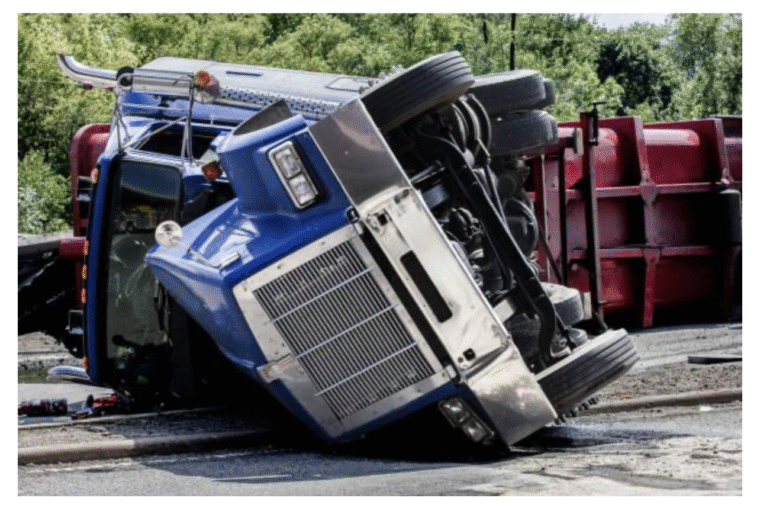
When a truck accident involves multiple parties, any person or organization whose negligence contributed to the crash can be held legally liable. That includes the driver, the trucking company, a cargo loader, or even a parts manufacturer.
Carlsbad is a coastal city in San Diego County, California, situated along two major freight routes, Interstate 5 and Highway 78. Commercial truck traffic through this area is heavy, and accidents involving more than one liable party are not uncommon. Working with a truck accident lawyer from Miller & Steele Law Firm in Carlsbad can help injured victims identify every party responsible for their losses.
Knowing who can be sued matters because each liable party carries separate insurance coverage. The more responsible parties identified, the greater the potential compensation available to you.
The Truck Driver
The driver is typically the starting point in any liability investigation. Negligence behind the wheel includes speeding, distracted driving, driving while fatigued, or operating the vehicle under the influence. The FMCSA sets strict hours-of-service requirements under 49 C.F.R. Part 395, and any violation of those rules can be used as direct evidence against the driver.
The Trucking Company
Trucking companies can be held liable for a driver’s actions through a legal doctrine called respondeat superior, which holds employers responsible for negligent acts committed by employees within the scope of their work. Beyond that, companies face direct liability when they fail to meet their own obligations. Pressuring drivers to skip rest periods, ignoring vehicle defects, or skipping required drug testing under 49 C.F.R. Part 382 all create independent grounds for a lawsuit.
Negligent Hiring and Supervision
A company that hires a driver with a known history of serious traffic violations or fails to conduct proper background checks can be sued for negligent hiring. Inadequate training before placing a driver on public roads is another form of direct company negligence. These claims stand separately from anything the driver may have done wrong.
The Cargo Loading Company
Many trucking operations use a third-party company to load and secure freight. If improperly loaded or unsecured cargo caused the truck to roll over or jackknife, that loading company can be named in the lawsuit. Federal cargo securement standards under 49 C.F.R. Part 393 define exactly what is required, and any departure from those standards supports a negligence claim.
The Truck or Parts Manufacturer
A crash can happen even when the driver and company follow every rule if the vehicle itself is defective. Faulty brakes, a failed steering component, or a defective tire can all cause serious accidents. California product liability law allows injured parties to sue the manufacturer without proving negligence, only that the product was defective and directly caused the harm.
Settlement vs. Trial in Multi-Party Cases
When multiple defendants are involved, how a case resolves depends heavily on how each party responds to the evidence.
Settlement is faster and less costly, and it becomes more likely when liability is clear, and insurers want to avoid a trial. The tradeoff is that settlement amounts may be lower than what a jury could award.
Trial becomes necessary when defendants dispute their share of fault or refuse to offer fair compensation. California follows a pure comparative fault rule under California Civil Code Section 1431.2, meaning each defendant is responsible only for their proportionate share of non-economic damages.
Steps to Take After a Multi-Party Truck Accident
- Seek medical attention right away, even if the injuries feel minor.
- Report the crash to law enforcement and secure a copy of the official report.
- Photograph the scene, vehicle positions, and any visible cargo issues.
- Avoid giving recorded statements to insurance adjusters before consulting an attorney.
- Request the truck’s electronic logging device data and black box records before they are overwritten.
- Keep records of all medical expenses, lost income, and property damage from the start.
Key Takeaways
- Any party whose negligence contributed to a truck crash can be held legally liable.
- Liable parties may include the driver, trucking company, cargo loader, or parts manufacturer.
- FMCSA regulations under 49 C.F.R. Parts 382, 393, and 395 are key to proving negligence.
- Trucking companies face both vicarious and direct liability depending on their conduct.
- California Civil Code Section 1431.2 limits each defendant to their proportionate share of fault.
- Identifying all responsible parties maximizes the compensation available to an injured victim.
- Moving quickly to preserve evidence is critical in cases involving multiple defendants.
