
How to Modify Child Support Custody or Alimony After Divorce
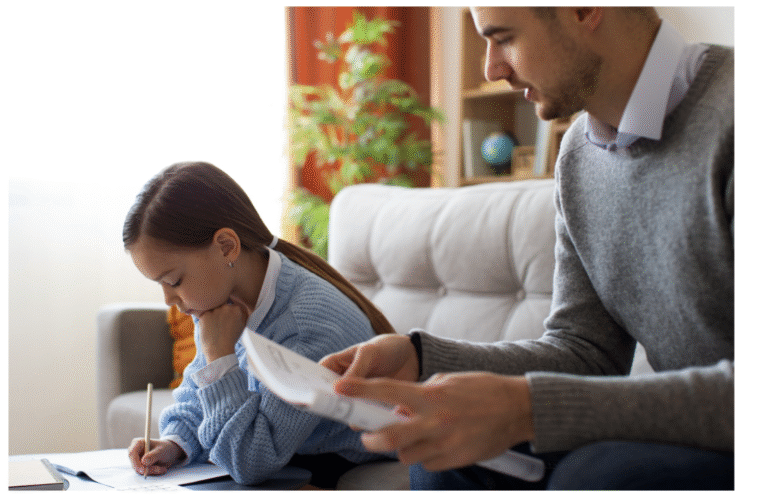
A divorce judgment does not have to be permanent. California law allows either party to return to court and request changes to child support, custody, or spousal support when circumstances have changed significantly since the original order was issued.
San Diego County processes thousands of family law modification filings each year through its Superior Court, reflecting how frequently post-divorce circumstances shift for California families. The city’s military population, high cost of living, and active job market all contribute to the frequency of income changes that trigger modification requests. A skilled San Diego post-judgment modification lawyer can assess whether your changed circumstances meet the legal threshold required and guide you through the filing process efficiently.
The burden of proof rests with the person seeking the change. Courts do not revisit judgments on their own; you must initiate the process and present sufficient evidence that a meaningful shift has occurred.
What Legal Standard Must Be Met?
California courts require proof of a material change in circumstances before modifying any post-judgment family law order. This is not a low bar; temporary or minor fluctuations generally do not qualify.
Under California Family Code § 3651, a support order may be modified or terminated at any time as the court determines necessary. However, case law from Marriage of Stanton clarifies that a showing of material change of circumstances must first be made before the court will revisit a valid support order.
For custody modifications, California Family Code §§ 3020–3048 governs the court’s analysis. The court’s primary focus is always the best interests of the child, and any proposed change must demonstrably serve those interests.
Modifying Child Support
Child support in California is calculated using a statewide guideline formula. Any meaningful deviation from that formula, whether from income change, shift in parenting time, or a new job, can justify a modification.
Common qualifying triggers include job loss, significant income increase or decrease, disability, incarceration, or a substantial change in custody time. Courts also allow modification without proving changed circumstances when the original order was set below guideline level.
According to the California Courts Self-Help Guide, child support generally ends when the child turns 18 and graduates from high school, or turns 19, whichever comes first. Parents should file for modification as soon as the change in circumstances arises; delays can affect retroactivity.
Modifying Child Custody
Custody modifications follow a higher evidentiary standard than support changes. The moving party must show both a material change in circumstances and that the modification serves the child’s best interests.
A parent’s relocation, remarriage, a child’s changed needs, or evidence of an unsafe living environment can all constitute sufficient grounds. Courts also consider each parent’s willingness to support the child’s relationship with the other parent as a best-interests factor.
If only the parenting schedule is changing, not the type of custody, California courts may not require a formal showing of changed circumstances. This distinction matters when deciding how to frame the modification request.
Modifying Spousal Support
Spousal support modifications are governed by Family Code § 3651 and § 4320, which lists the factors courts weigh when setting or adjusting support. Either party may seek modification upon a demonstrated material change in circumstances.
Retirement, remarriage of the supported spouse, sustained income change, or a significant shift in either party’s financial need all qualify. However, if the original judgment expressly states that spousal support is non-modifiable, Family Code § 3651(d) bars the court from revisiting it.
The California Judicial Council’s family law resources provide the official Request for Order form (FL-300), which is the standard document used to initiate any post-judgment modification in California Superior Court. Filing promptly after a change occurs is critical; modifications are generally not retroactive to a date before the motion was filed.
Key Takeaways
- California allows child and spousal support orders to be modified at any time, provided a material change in circumstances is demonstrated.
- Child support follows the statewide guideline formula; any significant income or parenting time change can justify a new calculation.
- Custody modifications require both a material change in circumstances and proof that the change serves the best interests of the child.
- Spousal support cannot be modified if the original judgment contains non-modifiable language; review your judgment carefully before filing.
- File your Request for Order as soon as circumstances change; courts typically do not apply modifications retroactively to dates before the motion was filed.
