
Understanding the Divorce Process in California
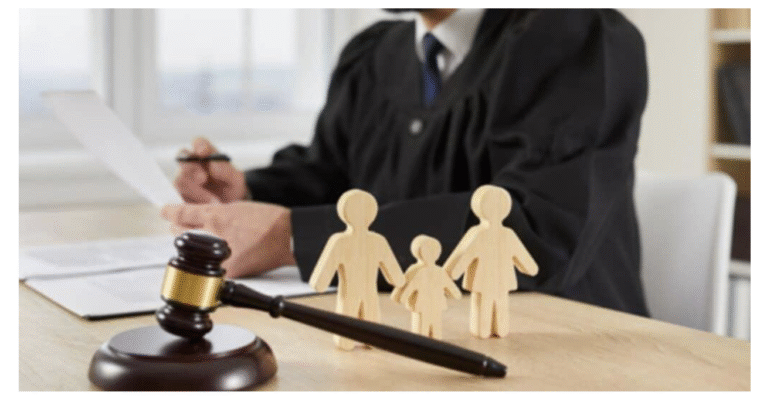
Divorce in California is a no-fault legal process, meaning you do not have to prove wrongdoing by your spouse to end a marriage. Instead, the court focuses on resolving issues such as property division, child custody, support, and financial disclosures while following established state procedures.
Menifee is a growing city located in Riverside County, Southern California. Although every divorce is unique, most Menifee divorces follow the same legal path. Residents of the area typically handle family law matters through the Riverside County court system, which follows California’s statewide divorce laws and local filing requirements.
The divorce process can feel overwhelming. That’s why understanding each step allows individuals to move forward with greater confidence and clarity. For those seeking guidance through the process, a trusted divorce law firm in Menifee can help you ensure paperwork and legal procedures are handled correctly from the start.
-
Meeting California’s Filing Requirements
Before filing for divorce, at least one spouse must have lived in California for the previous six months and in the county where the case is filed for at least three months. For Menifee residents, this usually means filing in Riverside County once those residency requirements are met.
These requirements are established under California Family Code § 2320, which sets the residency standards for divorce filings throughout the state. Failing to meet these requirements can delay the process and may require refiling in the correct jurisdiction.
Once eligibility is confirmed, the filing spouse submits the initial divorce petition and related court documents to officially open the case.
-
Serving Divorce Papers
After the paperwork is filed, the other spouse must be formally served with the divorce documents. This step is more than a simple notification. It provides legal notice and gives the responding spouse an opportunity to participate in the case.
California courts require proper service before a divorce can move forward. If service is not completed correctly, the court may refuse to proceed until the issue is resolved.
-
Financial Disclosure
One of the most important parts of any divorce is the exchange of financial information. Both spouses must disclose income, assets, debts, expenses, retirement accounts, and other relevant financial details.
This transparency helps ensure fair decisions regarding property division, child support, and spousal support. Accurate disclosures also reduce the risk of disputes later in the process. Preparing financial records early on can make this stage quicker to get through.
-
Custody, Support, and Property Issues
When children are involved, custody and support arrangements must be addressed. Parents may reach agreements on their own, or the court may step in when disputes cannot be resolved.
Property division and spousal support are also common issues during divorce proceedings. While some cases require court hearings, many divorcing couples successfully negotiate settlements without going to trial.
California’s no-fault divorce framework, reflected in California Family Code § 2330, allows spouses to seek a dissolution of marriage based on irreconcilable differences rather than proving misconduct.
-
The Six-Month Waiting Period
A key part of California divorce laws is the mandatory waiting period. A divorce cannot become final until at least six months have passed from the date the responding spouse is served.
However, reaching the six-month mark does not automatically finalize the divorce. All required paperwork, agreements, and court approvals must still be completed before a final judgment is entered.
Final Takeaways
- California follows a no-fault divorce system.
- Residency requirements must be met before filing.
- Proper service of divorce papers is mandatory.
- Financial disclosure is required from both spouses.
- Custody, support, and property issues must be resolved.
- California requires a minimum six-month waiting period.
- Early preparation can help prevent delays and disputes.
