
Smart Roof Care Habits That Help Prevent Expensive Repairs
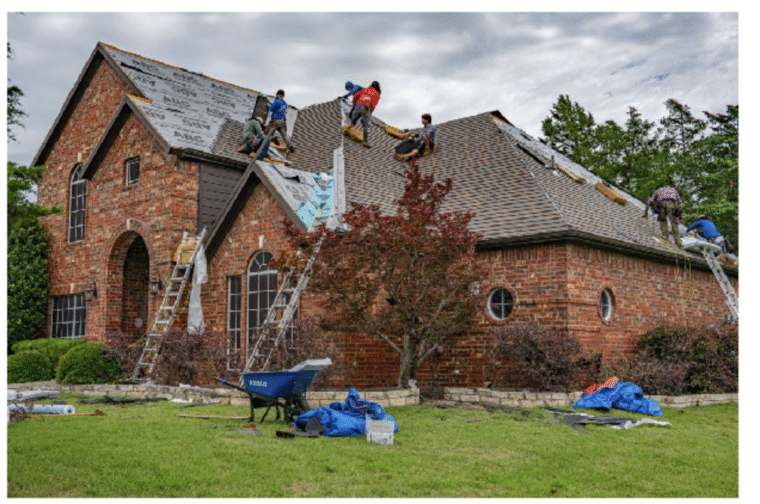
Your roof works hard every day to protect your home from rain, wind, heat, and changing weather conditions. Yet for many homeowners, it is one of the most overlooked parts of the property until a problem becomes impossible to ignore. Unfortunately, by the time a leak appears inside the house, the damage may already be extensive and expensive to repair.
Homeowners often deal with seasonal weather changes that can gradually wear down roofing materials. Heavy rain, strong winds, summer heat, and occasional storms all contribute to roof deterioration over time. While no roof lasts forever, proper maintenance can significantly extend its lifespan and reduce the likelihood of unexpected repair bills.
The good news is that protecting your roof does not require complicated maintenance routines. A few smart habits performed consistently throughout the year can help identify small issues before they develop into major problems. By taking a proactive approach, homeowners can avoid many of the costly repairs that result from neglect and delayed maintenance.
Schedule Regular Roof Inspections Before Problems Grow
One of the smartest investments homeowners can make is scheduling regular roof inspections. Many roofing problems begin as small issues that are difficult to notice from the ground. Missing shingles, cracked flashing, loose materials, and hidden leaks can all develop gradually without showing obvious signs inside the home.
Routine inspections help identify these concerns before they become major repair projects. Catching a minor problem early is almost always less expensive than waiting until water damage, structural deterioration, or mold growth occurs.
For homeowners looking to stay ahead of potential roofing issues, professional evaluations can provide valuable insight into the overall condition of the roof. Many property owners rely on Biltmore roofing services for inspections, repairs, and roof replacement guidance because experienced professionals can identify damaged shingles, aging materials, storm-related issues, and other concerns that may not be visible during a basic visual check from the ground.
Seasonal inspections are especially important after severe weather events. Strong winds can loosen roofing materials, while heavy rain may expose weak areas that were previously unnoticed. Even if no visible damage appears, an inspection can provide peace of mind and help prevent future surprises.
Homeowners should consider scheduling inspections at least once or twice per year. Consistent monitoring allows small issues to be addressed promptly, helping to avoid larger and more expensive repairs later.
Keep Gutters and Downspouts Clean
Gutters play an important role in protecting both the roof and the home’s structure. Their job is to direct water away from the roof and foundation. When gutters become clogged with leaves, dirt, and debris, water cannot flow properly.
As a result, water may back up onto the roof, increasing the risk of leaks, wood rot, and damage to roofing materials. Overflowing gutters can also cause problems around the home’s foundation, leading to costly structural concerns.
Cleaning gutters regularly is one of the simplest and most effective roof maintenance habits homeowners can adopt. Depending on the number of nearby trees, gutters may need cleaning several times per year.
In addition to removing debris, homeowners should inspect gutters for sagging sections, loose fasteners, and signs of corrosion. Addressing these small issues early helps maintain proper drainage and prevents unnecessary strain on the roofing system.
Regular gutter maintenance not only protects the roof but also helps preserve siding, landscaping, and foundation stability.
Remove Debris Before It Causes Damage
Leaves, branches, pine needles, and other debris may seem harmless at first, but they can create serious problems when allowed to accumulate on a roof.
Debris traps moisture against roofing materials, creating an environment where mold, mildew, and rot can develop. Over time, this trapped moisture may weaken shingles and shorten the overall lifespan of the roof.
Tree branches and heavy debris can also block proper drainage, increasing the likelihood of water pooling in certain areas. Standing water places additional stress on roofing materials and raises the risk of leaks.
Homeowners should periodically inspect their roofs for accumulated debris, particularly after storms or during the fall season. Using safe cleaning methods is important. Aggressive scraping or pressure washing can damage shingles and remove protective coatings.
In many cases, a gentle cleaning approach is all that is needed to keep the roof in good condition and functioning properly.
Address Small Repairs Immediately
One of the most expensive mistakes homeowners make is postponing minor roof repairs.
A single missing shingle may not seem urgent, but it can expose the roof beneath to moisture and weather damage. Similarly, a small leak may initially appear manageable, yet it can eventually lead to damaged insulation, stained ceilings, mold growth, and structural deterioration.
Prompt repairs help prevent these problems from spreading. Addressing minor issues while they are still manageable often requires less labor, fewer materials, and significantly lower costs.
Homeowners should watch for warning signs such as loose shingles, cracked flashing, water stains, granules in gutters, and visible roof sagging. These indicators often signal developing problems that deserve attention.
The longer a repair is delayed, the greater the chance that additional areas of the roof will become affected. Acting quickly protects both the roof and the home’s interior.
Trim Nearby Trees and Overhanging Branches
Trees provide shade and beauty, but they can also create challenges for roof maintenance.
Overhanging branches may scrape against roofing materials during windy conditions, gradually wearing away protective surfaces. Falling limbs can cause sudden and significant damage, especially during storms.
Trees also contribute to debris accumulation by dropping leaves, twigs, and seeds onto the roof. These materials can clog gutters and trap moisture if not removed regularly.
Another concern involves pests. Branches that extend close to the roof can provide easy access for squirrels, rodents, and insects seeking entry into the home.
Regular tree trimming helps reduce these risks. Maintaining a safe distance between branches and the roof can protect roofing materials while minimizing debris buildup throughout the year.
Professional tree maintenance may be worthwhile for larger trees located near the home.
A roof is one of the most important investments in any home, and protecting it requires consistent care. Fortunately, preventing expensive repairs does not require complicated maintenance routines or large financial commitments.
Simple habits such as scheduling regular inspections, cleaning gutters, removing debris, addressing minor repairs quickly, trimming nearby trees, monitoring attic ventilation, and preparing for seasonal weather can make a significant difference.
These proactive steps help identify problems early, extend roof lifespan, and reduce long-term maintenance costs. Most importantly, they provide peace of mind knowing that your home remains protected year-round.
When it comes to roof care, small efforts today can prevent major expenses tomorrow. Consistency is the key to keeping your roof strong, reliable, and ready to withstand whatever the weather brings.
