
8 Small Money Moves That Can Make a Big Difference in Your Finances
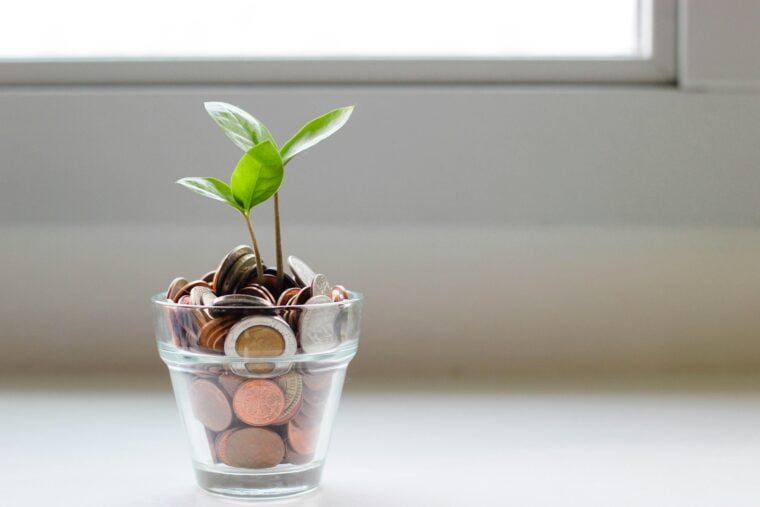
Improving your finances can feel like a huge project.
Maybe you want to save more, pay down debt, build an emergency fund, or simply stop wondering where all your money went at the end of the month. The good news? You don’t have to completely overhaul your life to make progress.
Sometimes the smallest money moves are the ones that are easiest to stick with.
If your finances could use a little attention, here are 8 simple things you can do to get your money moving in the right direction.
1. Give Your Money a Job With a Budget
A budget doesn’t have to mean saying no to everything you enjoy.
Instead, think of your budget as a plan for your money. Start by figuring out how much money comes in each month and then look at where it’s going.
Include the obvious expenses like:
- Rent or mortgage
- Utilities
- Groceries
- Transportation
- Insurance
- Debt payments
- Subscriptions
- Entertainment
- Savings
Once everything is on paper, look for the categories where you may be spending more than you realized.
Even finding an extra $25 or $50 a month can give you money to put toward a savings goal or debt.
And remember: a realistic budget is much better than a perfect budget you won’t follow.
2. Know Your Net Worth
Here’s a money number you may not be checking often enough: your net worth.
It’s simply what you own minus what you owe.
Your assets might include:
- Savings
- Retirement accounts
- Investments
- Your home or other property
- Other valuable assets
Then subtract your debts, such as credit cards, student loans, auto loans, and mortgages.
Don’t worry if the number isn’t where you want it to be right now. Knowing your starting point is what matters.
You can check it again in six months or a year and see whether you’re moving in the right direction.
Sometimes watching that number improve can be surprisingly motivating.
3. Check Your Credit Reports
When was the last time you actually looked at your credit reports?
If it’s been a while, put this on your financial to-do list.
Review your reports for accounts you don’t recognize, incorrect information, or other errors that could potentially affect your credit.
Checking your credit isn’t just about getting a better interest rate someday. It’s also a good way to keep an eye out for signs of identity theft or accounts that shouldn’t be there.
Make checking your credit part of your regular financial routine instead of something you only think about when you’re applying for a loan.
4. Automate Your Savings
Want to make saving easier?
Stop relying on yourself to remember to do it.
Set up an automatic transfer from your checking account to your savings account after payday. Even a small amount can help you build the habit.
For example, saving:
$25 per paycheck = $50 per month
$50 per paycheck = $100 per month
$100 per paycheck = $200 per month
You don’t have to start with a huge amount.
The goal is to make saving automatic so you aren’t tempted to spend the money first.
And if you get a raise in the future, consider increasing your automatic savings amount.
5. Never Miss Your Minimum Debt Payments
If you have multiple debts, it can be tempting to focus all your attention on the biggest one.
But first, make sure you’re keeping up with the minimum payments on all of your accounts.
Late payments can lead to fees and can hurt your credit, so make those payments part of your monthly budget.
Then, if you have extra money available, choose a debt to attack more aggressively.
You might focus on the debt with the highest interest rate to potentially save money on interest, or use a strategy that gives you quick psychological wins.
The important thing is to have a plan and keep moving forward.
6. Increase Your Retirement Contribution—Just a Little
If you’re already contributing to a retirement account, here’s a simple challenge:
Increase your contribution by 1%.
That’s it.
You may not even notice a dramatic difference in your paycheck, but that small increase can become meaningful over time.
And if you receive a raise, bonus, or other increase in income, consider directing part of that extra money toward retirement instead of immediately increasing your spending.
You don’t have to go from “I’m not saving enough” to “I’m saving a huge percentage of my income” overnight.
Small increases count too.
7. Pick ONE Financial Goal
One of the biggest mistakes we can make with money is trying to fix everything at once.
Save more!
Pay off the credit card!
Build an emergency fund!
Invest!
Cut the grocery bill!
It can quickly become overwhelming.
Instead, choose one financial goal to focus on right now.
Maybe your goal is:
- Save your first $500 emergency fund.
- Pay off one credit card.
- Save $1,000.
- Increase your retirement contribution.
- Pay an extra $100 toward debt every month.
- Build a sinking fund for an upcoming expense.
Once you accomplish that goal, choose another.
You don’t need to transform your entire financial life in one weekend.
8. Try a One-Month Spending Reset
Here’s a challenge you can try when you really want to give your savings a boost:
Do a one-month spending reset.
This doesn’t mean you stop paying your bills or buying necessities.
Instead, take a break from as many unnecessary purchases as you reasonably can.
For one month, you might:
- Make coffee at home.
- Pack your lunch.
- Skip impulse shopping.
- Pause unnecessary subscriptions.
- Cook more meals at home.
- Use what you already have in your pantry and freezer.
- Look for free entertainment.
- Put off nonessential purchases.
The goal isn’t to live this way forever.
It’s to see how much money you can free up in just 30 days.
You may be surprised by the results—and you might discover a few spending habits you want to change permanently.
Small Steps Add Up
Getting your finances in better shape doesn’t have to start with a massive lifestyle change.
Start with one small action.
Create a budget. Check your credit. Automate $25 into savings. Make an extra debt payment. Increase your retirement contribution by 1%. Or choose one financial goal and work toward it.
You don’t have to do everything today.
Pick one money move, get comfortable with it, and then build from there.
That’s how small financial habits can turn into big progress over time.
