
How Office Design Can Reduce Burnout and Boost Morale
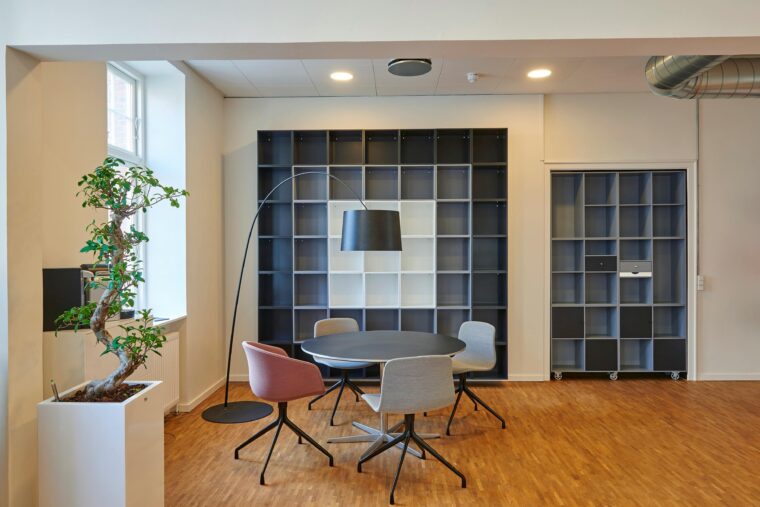
A growing body of research shows that office design can have a profound impact on employee well-being, productivity, and morale. As workplace stress and burnout rise, more focus is being placed on how the physical environment can ease or worsen these issues.
Elements such as lighting, ergonomics, and spatial layout all play important roles in shaping employees’ daily experiences. However, one often-overlooked factor is the acoustic environment.
Noise is a persistent issue in modern offices. Excessive noise can elevate stress levels, impair focus, and ultimately diminish morale. This has led many businesses to ask: Do sound-absorbing panels work? According to workplace studies and acoustic experts, the answer is a resounding yes.
This article explores how sound-absorbing panels and other design choices can make a tangible difference in supporting employee wellness and enhancing performance.
The Need to Support Employee Well-Being
With burnout rates soaring, prioritizing employee well-being is no longer optional; it’s essential. According to Forbes, many business leaders claim that “work from anywhere” is here to stay. However, corporate America remains hesitant to embrace flexible work models.
This is especially concerning as workplace-related stress continues to dominate conversations. Employees who are caregivers or individuals with disabilities often benefit from remote work options, making rigid in-office expectations even more challenging.
Recent data reveals that 66% of American employees are experiencing some form of burnout in 2025. Younger generations are hit hardest, 81% of 18- to 24-year-olds and 83% of 25- to 34-year-olds report feeling burned out.
As generational expectations evolve, employers must place greater emphasis on employee well-being, invest in meaningful professional development, and support work-life balance.
Importantly, office design plays a vital role that goes well beyond visual appeal. A well-designed workspace can ease stress, improve focus, lower anxiety, and create a calming atmosphere. These environmental factors directly support employee mental health, helping to prevent burnout and enhance overall morale and productivity.
What is the impact of employee well-being on performance?
Employee well-being directly influences performance by enhancing focus, motivation, and job satisfaction. When well-being is prioritized, employees experience lower stress, reduced burnout, and improved mental health, leading to higher productivity and engagement. A supportive work environment also promotes retention, creativity, and overall organizational success.
The Power of Natural Light and Air Quality
Natural elements in office design significantly influence employee health, energy, and cognitive function.
According to the NIH, growing urbanization and reduced exposure to nature have led to increased focus on the psychological effects of built environments. Frameworks like Attention Restoration Theory (ART) and Stress Recovery Theory (SRT) suggest that exposure to nature aids in mental recovery and restores attention.
ART explains how natural environments promote cognitive rest, while SRT emphasizes their ability to trigger positive physiological responses.
In this context, biophilic design, which integrates natural elements into indoor spaces, has become a key element of wellness-driven architecture. One powerful yet often overlooked component is natural light. It regulates circadian rhythms, improves mood, and enhances alertness.
In settings with limited sunlight, full-spectrum LEDs and dynamic lighting can mimic natural patterns. Similarly, clean air plays a vital role in productivity. High-quality ventilation can combat fatigue and support sustained mental clarity, reducing burnout and absenteeism.
How can office air quality be improved for a healthier workspace?
Improve office air quality by increasing ventilation, using high-efficiency air purifiers, and maintaining HVAC systems regularly. Incorporate indoor plants that naturally filter toxins, reduce humidity levels, and limit pollutants from cleaning products or office materials. Monitoring air quality levels can also help identify and address specific problem areas.
Acoustic Solutions for Focus and Comfort
Noise pollution in offices is a major factor contributing to stress, distraction, and reduced productivity. Constant background sounds, like chatter, ringing phones, and office equipment, create chronic low-level stress that wears on employees over time. One of the most effective ways to combat this is through the use of sound-absorbing panels.
According to Felt Right, these panels use dense materials to reduce vibrations in a space. By absorbing sound, they prevent noise from lingering or spreading, improving overall acoustic quality.
These panels are easy to install and come in stylish designs that enhance the workspace while serving a functional purpose. They’re especially useful in open offices, meeting rooms, and collaboration zones where sound clarity and privacy are essential.
Additional acoustic strategies include carpets, upholstered furniture, sound-masking features like water elements, and designated quiet zones. Together, these elements create a balanced sound environment that supports both deep focus and collaborative energy.
Can acoustic solutions be integrated into modern office aesthetics?
Yes, acoustic solutions can seamlessly blend into modern office aesthetics. Sound-absorbing panels now come in stylish materials, colors, and designs that enhance visual appeal. From ceiling baffles to decorative wall panels, these solutions reduce noise while complementing the office’s architecture, creating both a functional and visually cohesive environment.
Flexible Spaces That Adapt to Human Needs
Today’s office must adapt to a range of work styles, especially as attendance patterns shift. While a CBRE report shows that 60% of companies prefer employees in the office at least three days a week, only 51% currently do so. Still, 64% of organizations now consider their current hybrid usage levels to be the new normal.
This shift signals widespread acceptance of flexible work arrangements—and a growing need for adaptable office designs.
The most effective office spaces support activity-based working. They offer a variety of settings tailored to different tasks. These include quiet zones for focused work, dynamic areas for collaboration, casual spots for informal meetings, and peaceful retreats for rest and reflection.
What’s essential is giving employees the freedom to choose where they work best, rather than limiting them to a fixed desk. To support this flexibility, seamless technology, such as strong Wi-Fi and simple booking tools, helps remove friction and empowers employees to thrive.
Community Building Through Thoughtful Common Areas
Social connection is a powerful antidote to burnout, and office design can either facilitate or hinder relationship building among colleagues. Well-designed common areas that encourage natural interactions can strengthen team bonds and create support networks that help individuals navigate workplace challenges.
Kitchen and dining areas that accommodate various group sizes and interaction styles promote both formal and informal gatherings. Comfortable seating arrangements, adequate lighting, and appealing aesthetics make these spaces inviting rather than purely functional.
Game rooms, libraries, or other recreational spaces provide opportunities for stress relief and relationship building outside of work-focused interactions.
The location and design of these spaces matter significantly. Common areas should be centrally located and visible to encourage use, while also providing enough variety to accommodate different personality types and cultural preferences. Some employees thrive in bustling, energetic spaces, while others prefer quieter, more intimate settings for social interaction.
The relationship between office design and employee well-being is complex but undeniable. Organizations that invest in thoughtful, human-centered design are seeing measurable returns in reduced turnover, increased productivity, and improved employee satisfaction.
The key lies in understanding that office design is not merely about creating attractive spaces, but about supporting the full spectrum of human needs.
