
Seasonal Home Improvements You Should Not Skimp On
Routine maintenance is one of the key aspects of home ownership, but most homeowners end up with major improvements at some point. Yahoo cites a survey showing that the average annual spending on home improvement is $9000. However, the actual spending is much more and increasing with the growing inflation in the country.
The weather is one factor that makes a home prone to damage. For example, despite having 300 days of sunshine annually, Denver experiences several thunderstorm and hailstorm events every year. Denver roofing companies often find themselves swamped with projects after such events. After all, no one wants to live in a home with a compromised roof.
Seasonal upgrades are an investment in your home’s safety, comfort, and value. As the seasons change, your home faces different environmental stressors. Certain maintenance tasks are critical at such times. Skimping on these essential improvements can lead to costly repairs and potentially dangerous situations down the line.
In this article, we will list the must-do seasonal home improvements and why you shouldn’t cut corners on them.
Roofing Inspection and Repair
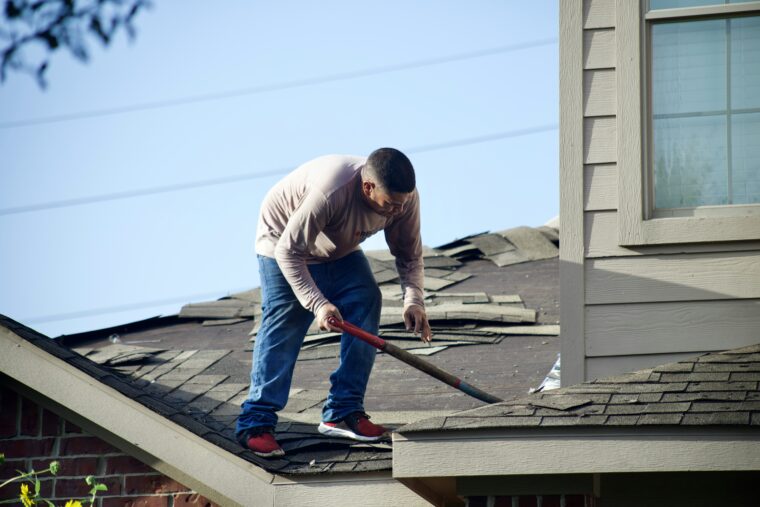
Your roof keeps your home and family safe when harsh weather hits. Therefore, it is vital to ensure its strength and integrity. Regular inspections, at least once a year, ensure that small issues don’t become major ones. Scheduling an inspection before heavy storm seasons also makes sense.
The smallest of Roof leaks can lead to water damage, mold growth, and structural damage. Similarly, damaged shingles or flashing can allow water to seep in unnoticed. Ignoring small issues is the worst mistake you can make. It can result in expensive emergency repairs, interior water damage, and compromised structural integrity.
Reliable Roofing & Restoration recommends hiring a professional to inspect the roof for red flags. Pay heed to their advice, whether they suggest small fixes, extensive repairs, or a complete replacement. Nothing matters more than safety when the weather turns adverse.
Gutter Cleaning
Angi highlights the importance of regular gutter cleaning as these fixtures channel water away from your home’s foundation. They also protect the walls of your property from water damage that could be caused by moisture accumulation. When leaves, twigs, dirt, and other debris accumulate, water backs up and can cause serious problems.
Clogged gutters can lead to basement flooding and attract pests like mosquitoes and rodents. No matter how much you need to invest in gutter cleaning, this is one expense you must not avoid. Clean gutters at least twice a year. This may have to be done more often if there are overhanging trees nearby.
Skimping on gutter cleaning can have dire consequences beyond the immediate risks. Overflowing gutters can erode landscaping, crack foundations, and cause water intrusion into basements or crawl spaces.
HVAC Maintenance
Seasonal temperature changes put your HVAC system to the test. Without routine maintenance, you risk breakdowns during peak heat or cold spells. Replacement can be painfully expensive. New installation of a standard system can cost you around $10,000. According to This Old House, a premium HVAC system’s cost can exceed $20,000.
Besides the cost concerns, neglecting HVAC maintenance can cause health issues. Dusty filters reduce air quality. They may even cause dangerous carbon monoxide leaks in poorly maintained furnaces. They also lower efficiency, which translates into higher electricity bills. Neglected systems can fail when you need them most.
Schedule professional inspections annually for both heating and cooling systems. Replace or clean filters regularly, and check for refrigerant leaks or worn-out parts.
Driveway Repair
Your driveway weathers all sorts of abuse from vehicles, weather, and chemical exposure (like de-icing salts in winter). However, it is often the last thing that comes to your mind when preparing your seasonal home maintenance checklist. Most homeowners tend to push driveway repair to the next season.
However, this may land you in trouble. Cracks and potholes can worsen quickly, leading to tripping hazards and further deterioration. Small cracks become large ones, allowing water to undermine the base material and cause the entire driveway to fail. The rainy and snowy seasons worsen the damage.
As a best practice, fill cracks as soon as they appear. Call professionals to seal the asphalt every few years.. Also, clean stains promptly to prevent permanent damage and keep your property looking shiny and new.
Plumbing Fixes
According to HomeGuide, plumbing costs depend on job size. Small repairs, such as leaky faucets or drain cleaning, will have you shell out $125 to $350. For bigger jobs, such as repairing a pipe leak, expect a bill of about $500 to $800. A plumber may charge anything between $45 and $150 an hour.
These costs may sound like a lot to a budget-conscious homeowner, and they may even ignore a harmless-looking leak. Seasonal variations, like freezing temperatures in winter or tree root growth in spring, can put added stress on your pipes. Leaks waste water, spike utility bills, and cause structural damage. Burst pipes in winter can lead to flooding and costly repairs.
Even worse, water damage can lead to mold, and persistent issues can degrade your plumbing system. Avoid overlooking any plumbing problems and prioritize seasonal checks. Inspect exposed pipes for leaks or corrosion, insulate outdoor pipes before winter, and check for slow drains that could indicate clogs.
FAQs
What is the most in-demand home improvement?
The most in-demand home improvement projects typically focus on kitchens and bathrooms. Energy efficiency upgrades such as better insulation, window replacements, and smart thermostats are also popular. Post-pandemic trends also show high demand for home offices and outdoor living spaces.
In what order should you do renovations?
Structural and safety issues, such as roof repair, foundation upgrades, and electrical fixes, should be a priority. Exterior improvements, interior renovation, and system upgrades come next. Cosmetic finishes and fixtures, hardware, and landscaping should be covered in the end.
Which home upgrades are essential for safety?
Several upgrades make your home a safe space to live. For example, electrical panel upgrades and rewiring prevent fires. Smoke and carbon monoxide detector installation, roofing repair, stair and deck repairs, and window upgrades also enhance safety. Anti-slip flooring in bathrooms, adequate outdoor lighting, and security systems make your outdoor space safe.
Seasonal home improvements aren’t just chores. They are critical to protecting what is likely your biggest investment. Skimping on these repairs can lead to greater costs and bigger problems down the road. Prioritize these tasks as the seasons change, and enjoy the peace of mind that comes with a safe, efficient, and beautiful home.
