
From Aches to Alignment: How BCBS Can Help with Chiropractic Treatments
Key Takeaways
- Chiropractic care supports recovery from common postpartum conditions such as back pain, pelvic discomfort, and postural changes.
- Spinal adjustments after childbirth can improve posture and mobility and reduce discomfort.
- Chiropractic interventions can assist with stress management and support overall wellness during the postpartum period.
- Consulting an experienced chiropractor ensures safer and more effective postpartum care plans.
Welcoming a baby is an extraordinary experience, yet it comes with remarkable physical changes and challenges for new mothers. From pelvic shifts to back discomfort, the transition into motherhood often leaves women searching for ways to recover and feel whole again. Prioritizing postpartum spinal health is essential, as addressing pain and discomfort can directly affect a mother’s recovery and daily function.
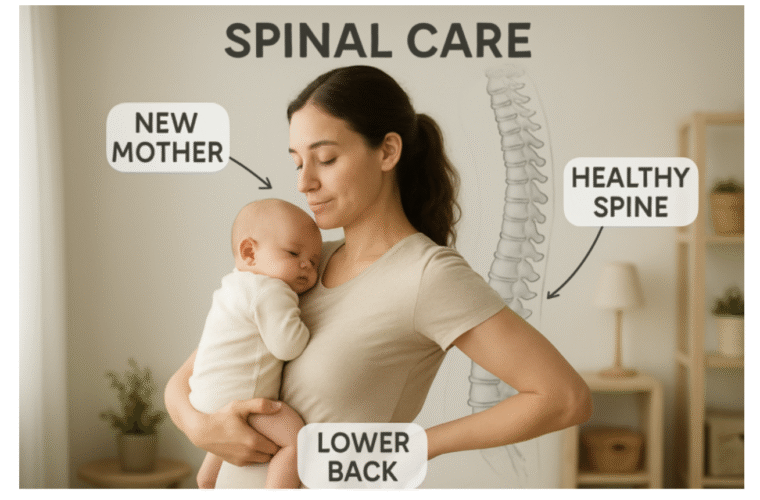
The postpartum period is commonly marked by pain in the lower back, pelvic floor issues, and postural imbalances due to factors such as pregnancy hormones, muscular changes, and physically demanding tasks like lifting and nursing a newborn. Ensuring proper spinal care can alleviate such symptoms, supporting overall well-being through this transformative time.
Regaining core and spinal strength not only speeds up postpartum healing but also helps prevent chronic issues later on. Understanding what happens to the spine and pelvis after childbirth highlights why thoughtful, clinical care is vital for every new mother’s health journey.
Chiropractic care can be a powerful, non-pharmacological way to restore your body’s balance and prevent long-term issues, emphasizing hands-on adjustments and personalized guidance for postpartum recovery. Additionally, studies from established sources, such as the Mayo Clinic, confirm the physical changes that affect spinal alignment post-pregnancy.
Understanding Postpartum Spinal Changes
During pregnancy, the female body undergoes significant shifts to support fetal growth and eventual birth. Core among these changes are adaptive mechanisms such as
- Pelvic Expansion: Relaxin and other hormones loosen the ligaments surrounding the pelvis, causing it to expand and later often remain unstable after delivery.
- Increased Lumbar Curve: The lower spine amplifies its inward arch—a process called lumbar lordosis—to balance the abdomen and developing fetus.
- Abdominal Muscle Separation: Also known as diastasis recti, this separation of abdominal muscles can compromise core strength and overall posture.
- General Ligament Laxity: Relaxed ligaments can contribute to joint instability, increasing the risk of misalignment and postpartum pain.
These postpartum changes create a “new normal” for many mothers, often manifesting as back pain, pelvic discomfort, and mobility challenges, all of which highlight the importance of specialized spinal care during recovery.
Benefits of Chiropractic Care Postpartum
Pain Relief and Improved Mobility
Many postpartum women experience persistent pain in the lower back, hips, or neck, worsened by repetitive tasks such as feeding or lifting the baby. Chiropractic adjustments gently realign the spine and pelvis, relieving pressure, restoring function, and promoting healing. A recent Motherly article outlines how these methods can provide immediate improvements for many new mothers.
Enhanced Posture and Chronic Pain Prevention
The recurrent physical strain of carrying and nursing a child often leads to slouched shoulders and weakened back muscles. Over time, these patterns can cause chronic pain and fatigue. Chiropractic care, by correcting postural imbalances and improving alignment, may greatly reduce these risks and foster a quicker recovery—and a stronger return to everyday activities.
Support for Pelvic Floor Function
Pelvic instability and dysfunction are common after childbirth and can cause symptoms such as pelvic pain, core weakness, or even stress incontinence. Chiropractors employ specific techniques to restore pelvic alignment, thus aiding the function of surrounding muscles and supporting proper core engagement. Improved alignment further encourages healthy pelvic floor recovery.
Stress Reduction and Improved Sleep
Hormonal changes, sleep deprivation, and the constant demands of a newborn take a toll on mental health. Chiropractic treatments, by optimizing nervous system function, can help regulate stress responses and promote restful sleep. For new mothers, even small improvements in quality of rest and stress resilience are highly meaningful.
Incorporating Chiropractic Care into Recovery
Successful postpartum recovery with chiropractic care involves an individualized approach:
- Expert Consultation: Working with a chiropractor trained in women’s health to develop a safe, customized treatment plan.
- Scheduled Adjustments: Early and regular visits help address misalignments and speed up recovery by supporting optimal spinal health during a critical period of healing.
- Strengthening Exercises: Chiropractors often provide simple, at-home exercises to help stabilize the core, improve posture, and enhance results between sessions.
By weaving chiropractic care into your postpartum plan, you can improve daily comfort and create a foundation for lifelong wellness.
Important Considerations for New Mothers
Safety is paramount for mothers exploring chiropractic care. Always seek a provider who is experienced in postpartum techniques and ask about their approach to issues like diastasis recti, pelvic floor recovery, and cesarean birth scars if relevant. If you’ve had a complex childbirth or ongoing pain, ensure you discuss your medical history at your initial visit. The American College of Obstetricians and Gynecologists (ACOG) outlines further safe recovery recommendations for mothers navigating the postpartum journey.
