
The Fun Guide to Learning Popular Casino Games
Casino games appear in everyday life much like a favourite crossword or a weekend walk: familiar, engaging and something many adults encounter in ordinary moments. Take Great Britain for example. Nearly half of adults there reported taking part in some form of gambling in the past month, with online activity sitting comfortably beside lottery draws and scratch cards as part of that mix. Participation has held steady in recent surveys, with 48 percent of adults saying they had gambled in the last four weeks and 28 percent taking part beyond just lottery draws. These figures help remind us that many people approach casino games in familiar and social ways rather than as high-stakes pursuits.
For readers thinking about managing play around a household budget, knowing the basics brings confidence. Many people enjoy online slots on platforms like Jackpot City because they can dip in for short moments and then return to the rest of life without fuss. Industry snapshots show that online gambling participation, excluding lotteries, remains a clear part of the digital leisure landscape. Starting with a clear plan for how much time and money you want to devote to games helps make each session feel intentional rather than open-ended.
How People Play Today
Being aware of how other people play may make decisions about which games to play seem less enigmatic than they otherwise might. Results from participation in gambling surveys in Britain indicate adults are participating in all sorts of pursuits, although National Lottery draws and charity lotteries are currently the most popular. Nevertheless, playing fruit and slot machines, either offline or online, was found to be a significant proportion of adults, predominantly the younger age groups, although casino games remained part of the landscape of activities people engage in for recreation.
That context matters because it tells you something about how casino games fit into life for many adults: as moments of gentle distraction, social connection or personal rhythm, rather than a single way to spend an evening. Taking time to learn a game’s rhythm before spending real money supports both confidence and thrift.
Understanding Popular Games
Slots offer a straightforward starting point. You choose a stake that feels comfortable, tap spin and watch symbols settle. Features like free spins and bonus rounds provide variety without complicating the basic flow. Knowing that each round stands alone, driven by well-tested software, helps keep expectations grounded. In this way, play becomes a counted, known activity rather than a leap into the unknown.
Roulette carries a slightly larger array of options yet remains approachable. You place your chips on colours, numbers or sections of the table, then wait for the ball to settle. Even bets such as red or black offer a sense of balance that many players enjoy without stretching budgets. Choosing smaller wagers that reflect your own entertainment budget helps keep this game relaxed and enjoyable.
Social play that suits shared moments
Card games like blackjack and poker bring conversation and social rhythm into play. Blackjack invites small decisions: take a card or hold. Simple strategy guides help clarify choices, which makes the game feel like a thoughtful puzzle rather than a rush. Many people discover that learning a few patterns adds pleasure without adding pressure.
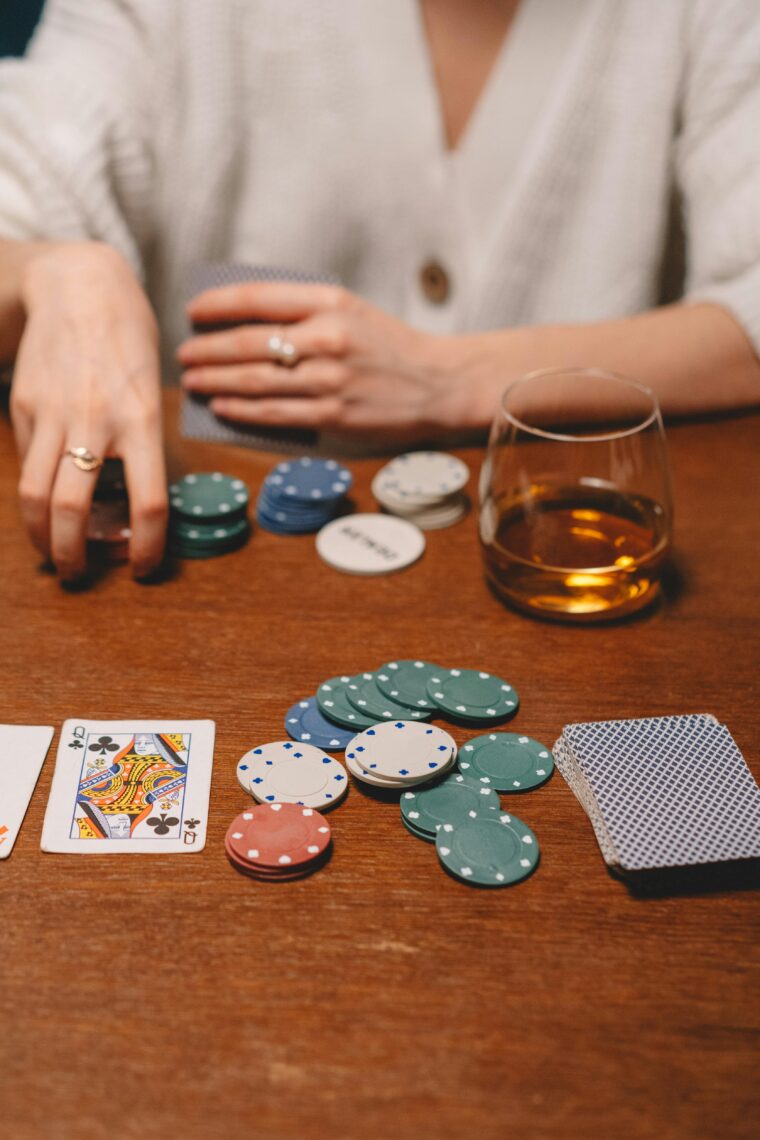
Poker holds a similar social joy. Around a kitchen table with friends or in a casual online room, the game invites observation, timing and conversation. Many households enjoy low stake poker nights because they mix familiar faces with gentle competition and shared snacks, making the experience feel wholesome and sociable.
Gentle budgeting habits
A sensible way of thinking about games in casinos begins with having boundaries. UK financial wellbeing services advise fixing a specific sum for pleasure expenditure every month, rather than an amount that seems intuitively right. Casino gambling can be considered in the same way as a visit to the cinema, a magazine subscription, and a meal out, as an expenditure of pleasure allowed for within an allocated monthly budget.
A number of licensed online gambling services have features that enable you to know how long you have been playing while others enable you to set reminders and deposit limits. Such services operate like gentle reminders that enable you to stay conscious about the time and money you are expending. Bodies like the United Kingdom Gambling Commission are also developing guidelines that will help you take control of your spending habits.
Explore rules without spending cash
One of the nicest things about many digital versions of casino games is the option to practise without real money. Demo modes let you explore how a game flows, try out different bets and see how features unfold. This exploration feels like learning a new board game with friends: curiosity, a few laughs and no risk.
Offline practice works too. Families can introduce simple card games at home with buttons, pennies or counters. Many people find that these relaxed sessions build familiarity and support conversations about deciding when a game feels fun and when it feels like a distraction.
Keeping games in proportion
Casino games bring colour, rhythm and variety to leisure but sit alongside many other ways people enjoy time off. Whether it’s puzzle apps, podcasts or walks in the park, the key is to choose games that fit with your wider life plans. For many adults, that means using play as one part of relaxation that fits easily within a budget and supports household goals.
Drawing on surveys and official figures reminds us that most people approach gambling as a normal part of leisure. With clear intentions, practical limits and a sense of balance, casino games can be a pleasant part of life’s pattern without dominating it. As with any shared hobby or pastime, knowing how something works helps you enjoy it in a way that feels good for you and your family.
