
How to Create a Home That Better Fits Your Lifestyle
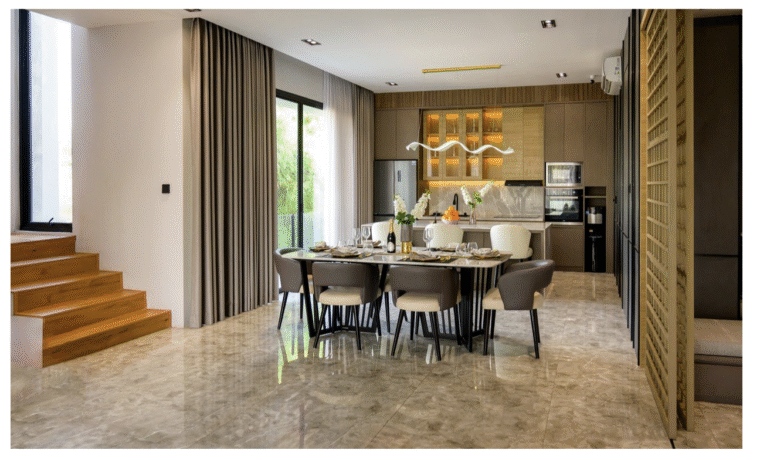
A home should support the way you live every day. It is where you work, relax, spend time with loved ones, and carry out countless daily routines. However, as lifestyles change, many homeowners find that their living spaces no longer meet their needs as effectively as they once did. What worked several years ago may now feel inconvenient, outdated, or poorly suited to current priorities.
Creating a home that better fits your lifestyle involves more than updating its appearance. It requires thoughtful planning and a clear understanding of how different spaces contribute to comfort, functionality, and efficiency. By evaluating your needs and making intentional improvements, you can create an environment that supports your routines and adapts to future changes. Whether the goal is improved organization, greater flexibility, or enhanced comfort, the right approach can help transform a house into a home that truly works for you.
Invest in Upgrades That Deliver Lasting Value
Not every home improvement project offers the same benefits. Focusing on upgrades that improve both functionality and long-term value can help homeowners make more informed decisions. Projects that enhance efficiency, durability, and usability often provide the greatest return over time.
Quality materials and professional workmanship can also reduce future maintenance concerns. Bathroom remodeling is one of the most impactful upgrades homeowners can make because it improves both everyday convenience and overall property appeal. A well-designed bathroom can provide better storage, improved functionality, and a more comfortable experience for everyone in the household. When planning this type of renovation, partnering with an experienced bathroom remodeling company can help ensure that the project is completed with careful attention to functionality, design, quality, and long-term performance.
Professional expertise can also help homeowners make informed decisions about layouts, materials, and features that best suit their lifestyle. Rather than pursuing trends that may quickly become outdated, homeowners often benefit from choosing improvements that support their lifestyle while maintaining lasting appeal. Strategic investments help ensure that renovations continue to deliver value for years to come.
Evaluate How You Use Your Space Every Day
Before making any changes, it is important to assess how each area of your home functions on a daily basis. Pay attention to the spaces where you spend the most time and identify any recurring frustrations. Perhaps your kitchen feels crowded during meal preparation, or your living room lacks enough seating for family gatherings. Understanding these challenges helps you determine which improvements will have the greatest impact.
It is equally important to recognize spaces that are underutilized. A spare room, unused corner, or oversized area may offer opportunities for better functionality. Consider your work schedule, hobbies, family activities, and plans as you evaluate your home. This process creates a clear picture of how your living environment can better support your lifestyle and priorities.
Prioritize Function Before Aesthetics
A beautiful home can quickly become frustrating if it does not function well for everyday use. While design preferences matter, practical improvements often provide the greatest long-term value. Start by focusing on how rooms flow together, how easily you can complete daily tasks, and whether each space serves a meaningful purpose.
Functional design choices can improve convenience without sacrificing visual appeal. Better storage solutions, improved traffic flow, and more efficient layouts often make a noticeable difference in daily life. Once these practical needs are addressed, aesthetic updates can further enhance the overall look and feel of the home. Prioritizing function first helps ensure that every improvement contributes to a more comfortable and efficient living experience.
Design Flexible Spaces for Changing Needs
Modern lifestyles rarely remain the same for long. Families grow, work arrangements change, and new interests emerge over time. Creating flexible spaces allows your home to adapt without requiring major renovations whenever circumstances shift. Rooms that can serve multiple purposes often provide the greatest value and versatility.
For example, a guest room can also function as a home office, while a dining area may double as a workspace when needed. Flexible furniture, modular storage systems, and adaptable layouts make it easier to adjust spaces as requirements evolve. Planning with future changes in mind helps homeowners avoid unnecessary limitations and ensures that their homes continue to meet their needs for many years.
Improve Organization and Storage Throughout the Home
An organized home often feels more comfortable and easier to maintain. When belongings lack designated storage areas, clutter can quickly accumulate and make daily tasks more difficult. Improving storage does not always require additional square footage. Instead, it involves using available space more effectively and creating systems that support everyday routines.
Built-in storage, multifunctional furniture, and well-planned closets can help maximize efficiency throughout the home. Regularly reviewing what you use and removing unnecessary items also contributes to a more organized environment. Small improvements in storage can create noticeable changes in both functionality and overall comfort.
Incorporate Features That Reflect Your Lifestyle
A home should reflect the activities and priorities that matter most to the people who live there. Whether you enjoy entertaining guests, working remotely, exercising, or pursuing creative hobbies, your living space should support those interests. Tailoring specific areas to your routines can make the home feel more functional and personalized.
Even outdoor areas can contribute to a better lifestyle experience. For homeowners who enjoy spending time outside, styling your yard with comfortable seating, functional gathering spaces, and attractive landscaping can create additional areas for relaxation and socializing. Personal touches help transform a home into a space that genuinely supports everyday living.
Building a Home That Works for You
Creating a home that better fits your lifestyle begins with understanding your needs and making purposeful decisions about how your space functions. From improving organization and increasing flexibility to enhancing comfort and personalization, each change contributes to a more practical and enjoyable living environment.
The most successful homes are not necessarily the largest or most expensive. They are the ones that support daily routines, adapt to changing circumstances, and reflect the priorities of the people who live in them. Thoughtful planning and well-chosen improvements can help create a home that remains functional, comfortable, and rewarding for years to come.
