
How to Plan a Low-Stress Local Move on a Budget
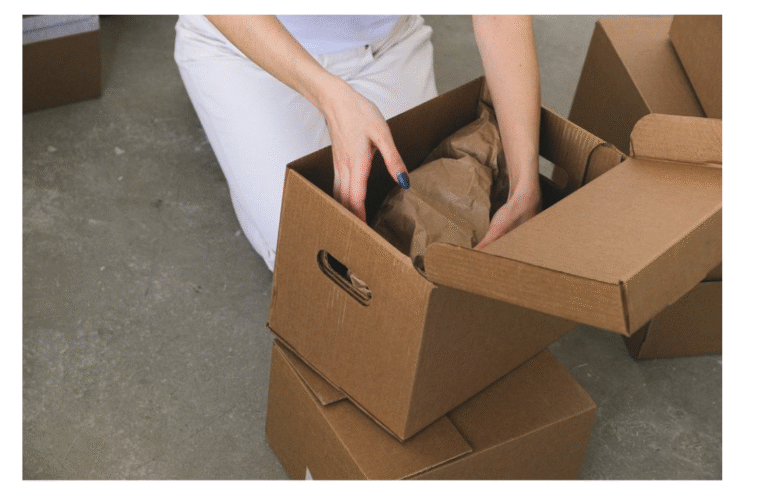
Local moves sound simple until you’re knee-deep in tape, mystery cords, and that one drawer full of batteries, coupons, and pens that barely work. Even a move across St. Charles can still eat up time, energy, and money. The good news is that a local move can feel a lot less chaotic when you break it into small steps. If you plan ahead, make smart packing choices, and watch your budget, you can move without feeling like your house picked up and shook itself.
Always plan first
A local move goes smoother when you treat it like a project instead of a last-minute scramble. Start with a simple timeline two to four weeks ahead. Write down your moving date, your budget, and the jobs that need to happen each week.
Short distances fool people into underestimating the work. A two-mile move still involves the same furniture disassembly, the same fragile items, and the same problem of what to do with everything that won’t fit until the new place is ready. Get in touch with local St. Charles movers to get an estimate, so you know what the job actually costs before you commit to doing half of it yourself.
Your starter checklist can be pretty basic:
– Pick your moving date
– Gather boxes and tape
– Set a decluttering goal
– Book help early
– Notify utilities and important services
A plan doesn’t need to be fancy. It just needs to exist. Even a notes app list beats trying to remember everything at 11 p.m. while sitting in a sea of cardboard.
Sort before you pack
Packing gets cheaper and easier when you stop treating every single item like it earned a ride to your new home. Before you tape up one box, go room by room and ask a simple question: do you actually use this?
Try making four categories: keep, donate, sell, and toss. This works especially well in closets, kitchens, and kids’ rooms, where stuff tends to multiply like rabbits with coupons. If you haven’t worn it, used it, or remembered it existed in over a year, it may be time to let it go.
Decluttering helps in real ways. You’ll need fewer boxes, less packing material, and maybe even less moving time. That can lower your total cost if you’re paying for help.
Start with the easiest spaces first, so you build momentum. Junk drawers, linen closets, and bathroom cabinets are quick wins. Save sentimental items for later, when you’re less likely to keep a broken lamp just because it once lived in your first apartment.
Pack smarter, not harder
You don’t need deluxe packing supplies to protect your stuff. You just need a little strategy. Start by collecting free or low-cost boxes from grocery stores, bookstores, neighbors, and local online groups. Uniform boxes stack better, but mixed sizes still work if you pack with care.
Use what you already have. Towels, blankets, socks, and even T-shirts can cushion dishes and fragile items. That means fewer bubble wrap purchases and one less thing to pack separately. It’s like making your laundry pull double duty.
Label every box with two things: the room and the main contents. Writing “Kitchen – everyday plates” is much more helpful than writing “Stuff.” Also mark boxes that are fragile or need to be opened first.
A few smart rules can save your back and your sanity:
– Keep heavy items in small boxes
– Don’t overfill large boxes
– Tape the bottom twice
– Pack one essentials box per person
When you pack in categories and label clearly, unpacking feels less like a treasure hunt designed by raccoons.
Watch for hidden costs
Moving budgets often fall apart because people plan for the big stuff and forget the sneaky extras. Boxes and truck rental get attention, but the smaller costs can add up fast.
Think about utility connection fees, cleaning supplies, gas, takeout on moving day, child care, pet boarding, and address update costs for subscriptions or documents. If there’s a gap between homes, storage may sneak onto the list too.
Time matters as well. If you need to take unpaid time off work, that’s part of the cost. So is replacing items you can’t find because they got packed with holiday decorations in a box labeled “office.”
A simple budget can keep things realistic. Break it into a few categories:
– Moving help or truck
– Packing supplies
– Cleaning and repairs
– Food and drinks
– Utility and admin costs
– Emergency cushion
That last one matters. Something always pops up. Budgeting a little extra doesn’t mean you expect disaster. It just means you’ve met life before.
Settle in without the stress
Once you arrive, you do not need to unpack your entire life in one heroic evening. Start with the spaces you need most: bathroom, bedroom, and kitchen. Getting those areas functional first makes the rest of the home feel manageable.
Check that utilities are working right away. Test lights, outlets, hot water, internet, and appliances early so you can fix issues before they become daily annoyances. Then update your address anywhere important, including banks, schools, insurance, and delivery services.
For the first week, focus on comfort over perfection. Make the beds, stock the fridge with easy food, and find your everyday basics. The wall art can wait. So can the decorative basket that somehow moved empty but still needed its own box.
A local move doesn’t have to drain your wallet or your patience. When you plan early, pack with purpose, and leave room for real-life surprises, the process becomes much easier to handle. Bit by bit, your new place starts to feel less like a pile of boxes and more like home.
