
Modern Home Construction Trends in Seattle: A Guide for 2026
Key Takeaways
- Sustainable and energy-efficient practices are a high priority.
- Smart technology is transforming daily life in Seattle homes.
- Designs favor indoor-outdoor continuity and natural elements.
- Flexible layouts support multigenerational and remote work needs.
- Locally sourced, sustainable materials are in high demand among builders.
Seattle’s housing landscape is undergoing a significant transformation, driven by innovation, sustainability, and evolving homeowner needs. With rapid advances in eco-friendly building methods, smart technology, and design philosophies that cater to flexible lifestyles, both homebuyers and builders must stay informed. Anyone interested in Seattle construction will benefit from understanding these new directions, which promise to profoundly shape residential living across the region for years to come.
Today’s Seattle homes are more than just places to live; they are high-performing environments designed for comfort, efficiency, and resilience. Homeowners and developers alike are embracing sustainable practices, integrating smart systems, and exploring more fluid, functional layouts for diverse family structures and work-from-home demands. As these trends gain momentum, recognizing what’s driving change in the industry is essential for making educated decisions, whether building a new home or upgrading an existing one.
Sustainable and Energy-Efficient Building Practices
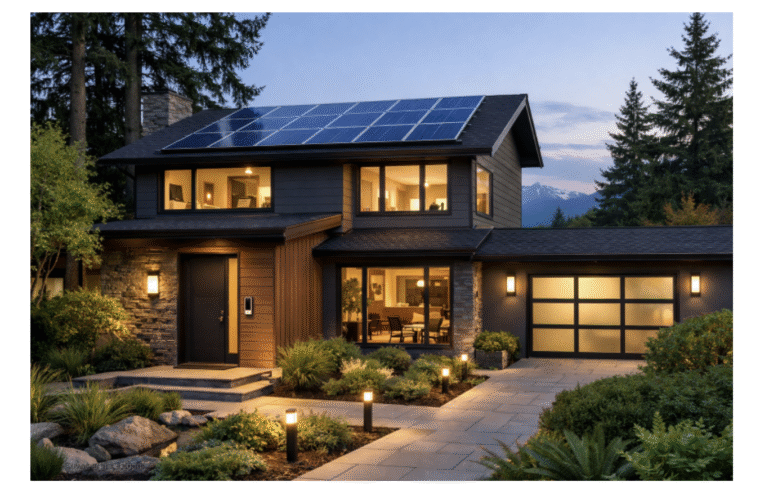
Eco-conscious construction is at the forefront in Seattle. Advances in building techniques improve energy performance, starting with superior insulation, efficient window systems, and next-generation HVAC units. The installation of solar panels is becoming a common sight, further supporting the city’s goal to reduce its carbon footprint. According to the U.S. Green Building Council, homes built with these components not only cut energy expenses but also boost long-term property value and comfort.
Net-zero energy design strategies and passive house standards are spreading across newly constructed homes, setting new benchmarks for carbon reduction and sustainable living in the Pacific Northwest. As climate action becomes a civic priority, these advancements are expected to become standard in the Seattle construction scene.
Integration of Smart Home Technologies
Smart home systems continue to redefine how residents interact with their living space. The trend in Seattle includes everything from intelligent thermostats and remote-controlled lighting systems to sophisticated security networks and whole-home audio. Many of these systems are controlled by mobile apps or voice assistants, enabling seamless automation of routines and greater convenience. These solutions boost energy efficiency and add a layer of security, underscoring the city’s reputation as a hub for technology-driven living.
Blending Indoor and Outdoor Living Spaces
Many of Seattle’s homeowners seek refuge in the outdoors, making the integration of natural surroundings a top design priority. Increased use of expansive windows, glass doors, and decks encourages indoor-outdoor living, even during the city’s famous rainy months. Biophilic touches such as living green walls, indoor planters, and wood or stone finishes foster a deeper connection to nature, which studies from Architectural Digest show can support mental wellness and reduce stress.
Flexible, Adaptable Spaces for Modern Living
As remote work becomes the norm and families span multiple generations, Seattle homes increasingly feature adaptable spaces. Open-plan designs allow home offices to easily be transformed into guest bedrooms or basements to double as living suites for aging parents or young adults. These flexible spaces are designed to be repurposed over time as family needs change.
Locally Sourced and Sustainable Materials
Seattle builders are placing greater emphasis on sourcing wood, stone, steel, and glass from local providers that prioritize responsible harvesting and production practices. Using reclaimed lumber and recycled-content materials is now standard in many new builds, helping reduce transportation emissions and supporting small-scale local businesses. Locally sourced products are also better adapted to withstand the region’s damp climate, leading to homes that are more durable and efficient in the long run.
Minimalist and Functional Design Aesthetics
Inspired by both Scandinavian and Japanese design sensibilities, Seattle’s modern homes are leaning towards minimalism. Open layouts, sleek built-in furnishings, and understated décor are now highly prized. Simple yet functional spaces make cleaning and organization easier, while neutral colors provide a calming background that highlights natural light and exterior views. Minimalist design also aligns well with sustainability goals by avoiding excessive use of materials and energy.
Resilience and Climate Adaptation
The local climate is a major driver in how Seattle homes are built today. Construction increasingly includes elevated foundations, flood-proof materials, and robust drainage systems. As severe weather events in the Pacific Northwest become more common, builders are taking extra precautions to ensure durability and livability. For a deeper understanding of climate-adaptive construction, resources from The New York Times Real Estate section provide a national and global perspective on how rising climate challenges are influencing home-building trends.
Conclusion
Seattle’s home construction sector is swiftly adapting to a world where sustainability, technology, and adaptability are key. Homeowners who build with these features in mind enjoy greater value, comfort, and longevity in their properties. By staying ahead of these trends, you can ensure that your investment is not only stylish and functional but also prepared for the future of residential living in Seattle.
