
A Practical Guide to Attending Outdoor Concerts
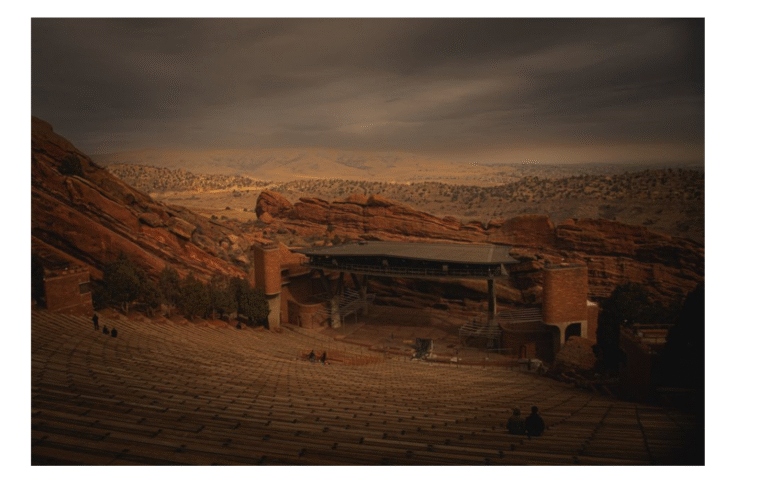
An outdoor concert asks more of you than a night indoors. There is no roof to hold the temperature steady, no carpeted hallway to walk down, and no guarantee that the weather at eight in the evening resembles the weather at noon. Most people who leave one of these nights disappointed did not have a bad time because of the music. They had a bad time because they showed up in the wrong shoes, arrived without water, or spent the first hour of the set circling a lot looking for somewhere to leave the car.
The good news is that almost every one of those problems is solved in advance. A little planning turns an open-air show into the kind of night people talk about for years. What follows is a straightforward walk through the decisions worth making before you go, the things worth carrying with you, and the small habits that make the difference between enduring a show and enjoying one.
Sorting Out Your Plans Before the Day Arrives
The single most common mistake at a large venue is treating the whole night as something to figure out on arrival. Deciding late usually means a worse spot, a longer walk, and a rushed start. Buying event tickets online well ahead of the date removes the biggest variable, because you know exactly what you are holding and where it sits before you ever leave the house. Waiting until the last minute narrows your options to whatever nobody else wanted, which is rarely the seat you would have chosen.
The best way to handle this part is to check out shows at Red Rocks Amphitheatre Event Tickets online and compare the available sections against a seating chart before committing. A good marketplace lays out the full schedule alongside the seating layout, so you can see what a section actually offers rather than guessing from the name.
Reading the Weather Properly
Checking the forecast is not the same as reading it. Look at the temperature for the hour the show ends, not the hour it starts. Outdoor shows regularly run past eleven, and the drop between sunset and closing can be twenty degrees or more, especially at elevation or near water. A crowd that felt overheated during the opening act can be genuinely cold by the encore.
Layers solve this better than a single heavy coat. A light jacket that packs down small, a long-sleeve layer underneath, and something you can tie around your waist covers almost every scenario. Rain is the other consideration. Many venues prohibit umbrellas because they block the view behind you, so a thin packable rain shell is the safer choice. Check the venue policy before you assume anything about what you can bring through the gate.
Footwear and the Walk You Did Not Expect
Outdoor amphitheaters are frequently built into hillsides, which means the distance from the parking area to your seat may involve a serious climb. Hundreds of steps are not unusual. Steep approaches are part of the appeal, since they are what produce the views and the natural acoustics, but they punish anyone who arrived in new shoes or anything with a heel.
Wear something you have already walked several miles in. Closed toes protect against gravel and against the feet of people squeezing past you in a row. If the venue has a reputation for a demanding approach, give yourself extra time and stop partway up rather than pushing through in one go. Nobody is timing you, and arriving winded at the start of the set is a poor trade.
Hydration, Altitude, and Pacing Yourself
Elevation changes how your body handles a long evening standing up. Thinner air means faster dehydration and a lower tolerance for alcohol than you might have at home. Even at moderate altitude, people underestimate this consistently.
Drink water through the afternoon, not just at the venue. Most places allow a sealed or empty bottle through the gate and provide refill stations, though the specific rule varies, so confirm it beforehand. Eat something substantial before you go rather than relying on whatever is available inside. If you are visiting from somewhere significantly lower, give yourself a day to adjust before the show if the schedule allows it.
What to Carry and What to Leave Behind
Bag policies at large outdoor venues have tightened considerably. Clear bags of a specified size are common, and oversized backpacks are frequently turned away at the gate with no storage offered. Reading the policy takes two minutes and saves a trip back to the car in the dark.
A practical kit is small. Identification, a payment method, a phone with a full charge, a portable battery, a light layer, sunscreen for daytime starts, and a small pack of tissues. Leave anything valuable or irreplaceable at home. Cash is worth carrying in a small amount even at venues that have gone cashless, because parking attendants and nearby vendors sometimes have not.
Arriving Early and Using the Time Well
Gates typically open an hour or two before the opening act. Treating that window as part of the evening rather than dead time changes the whole experience. Early arrivals get the easier parking spots, the shorter concession lines, and the chance to walk the grounds while there is still light to see them by. Many outdoor venues sit inside parks with trails and overlooks that are worth an hour on their own.
It also means you can find your section without pressure and work out where the restrooms and exits are before you need them in the dark. If shuttles or rideshare zones are involved, note where they operate from on the way in. Sorting the departure while you are calm makes the end of the night dramatically less frustrating.
Where You Sit and What It Actually Means
Section names tell you less than a seating chart does. General admission areas fill on a first-come basis, which rewards early arrival and punishes anyone who wanders in during the opening act expecting a choice. Reserved sections remove that scramble but vary widely in sightlines depending on the venue’s shape.
Closer is not automatically better outdoors. In a natural bowl, mid-height rows often deliver cleaner sound and a fuller view of the stage and the surrounding landscape at once. The back rows fill last and can be surprisingly comfortable if you want space to move. Accessible seating is usually placed at specific rows for easier entry, and requesting it in advance is far more reliable than asking at the gate.
After the Encore
The exit is where good nights go sideways. Thousands of people leave at once through a limited number of roads, and the wait can run to an hour. Decide beforehand whether you want to leave promptly, which means moving before the final song ends, or wait it out somewhere comfortable while the traffic clears.
Agree on a meeting point with your group before the show rather than relying on phone service in a crowd, which is often unusable. Note your parking row when you arrive. These are small things, but they are the difference between a night that ends well and one that ends in a dark lot arguing about which aisle the car is in.
