
How to Smartly Source John Deere Parts and Save Money
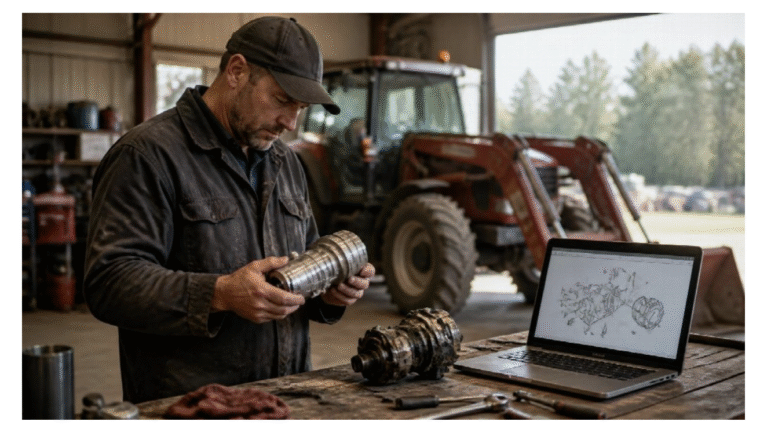
When your John Deere equipment breaks down, the repair clock starts ticking. You face a critical choice: pay top dollar for original parts or explore other options. This decision directly impacts your budget and downtime. Making an informed choice between OEM and aftermarket parts is the key to a cost-effective and reliable repair. This guide will help you navigate your options to get your machine running without overspending.
What Are Your Three Main Parts Options?
Understanding the different types of parts available is the first step. Each category offers a unique balance of price, quality, and risk.
OEM Parts
OEM parts are sold directly by John Deere under their brand. They are made either by John Deere or by their authorized suppliers to meet the exact factory specifications, which is designed to ensure a precise fit and factory-level performance. However, this assurance comes at the highest cost, making OEM parts the most expensive option for equipment maintenance.
Aftermarket Parts
Aftermarket parts are produced by companies other than the equipment brand itself. Interestingly, many top-tier aftermarket parts come from the very same suppliers that manufacture for John Deere—just sold without the brand markup. The primary advantage of these components is their competitive pricing, which can lead to significant savings. With a vast market of suppliers, the quality can range from excellent to poor. Choosing a reputable source is essential when buying aftermarket John Deere replacement parts.
Used or Salvaged Parts
Used parts are taken from retired or dismantled machinery. This is often the cheapest route, but it carries the most risk. There is typically no warranty, and the part’s remaining service life is unknown. Used parts also carry compatibility risks—parts from the same model may vary slightly across production years or serial number ranges. This option is usually reserved for older equipment where new parts are no longer available.
How Can You Find Reliable Aftermarket Parts?
A smart sourcing strategy is your best tool for saving money. The most critical step is to identify the exact OEM part number for the component you need. Your journey to saving money begins with an accurate John Deere parts lookup. By finding the official OEM part number first using your machine’s model and serial number, you create a universal reference point. This number allows you to search for high-quality aftermarket alternatives with confidence, ensuring you are comparing the correct items. However, always verify part number supersessions (updated replacement numbers) with your dealer or supplier, as John Deere frequently updates part numbers. A single component may have multiple valid part numbers across production years.
What Are 4 Tips for Choosing a Trustworthy Supplier?
Once you have the OEM part number, the next step is to find a supplier you can trust. Not all aftermarket sellers are created equal. Use these four tips to vet potential suppliers and protect your investment.
1. Check Reputation and Reviews
A supplier’s track record is a powerful indicator of quality. Look for independent customer reviews on forums, social media, and third-party review sites. Consistent positive feedback about part fitment, durability, and customer service is a strong signal that the supplier is dependable.
2. Verify Warranty and Return Policies
A trustworthy company will stand behind its products. Before purchasing, carefully read the warranty information and return policy. A clear and fair policy shows that the supplier is confident in their parts and values customer satisfaction. Avoid suppliers with vague or non-existent warranties.
3. Look for Clear Cross-Reference Information
A good aftermarket website should make it easy to find the part you need. The best suppliers provide a robust part number cross-reference tool. This allows you to enter your OEM part number and see its direct replacement, eliminating guesswork and preventing incorrect orders.
4. Ensure Customer Support is Available
Problems can arise, from shipping issues to technical questions. A supplier that offers accessible customer support via phone or email is a valuable partner. The ability to speak with a knowledgeable person shows the company is legitimate and committed to helping its customers.
Conclusion
You don’t have to pick between a cheap repair and a reliable one. Start with the OEM part number, do your homework on a reputable aftermarket supplier, and you can actually get the best of both. This approach gives you a solid way to keep your John Deere tractor and equipment in good shape—without blowing your budget or losing too much time to downtime.
