
HOW TO SPOT VALUABLE PORCELAIN BEFORE YOU BUY
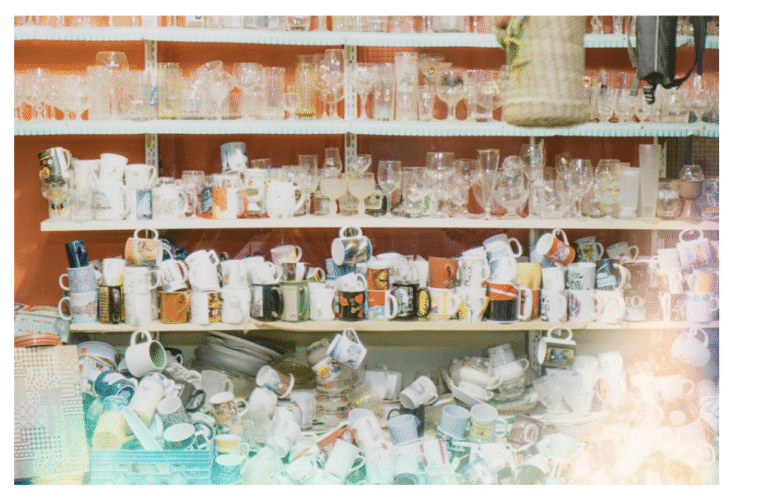
Walking into an antique shop can be exciting until you realize every porcelain piece seems to come with a different story—and a different price tag. Some dishes are worth less than lunch, while others sell for hundreds or even thousands of dollars. The difference isn’t always obvious. If you know what to examine before you buy, you’ll make better decisions, avoid costly mistakes, and enjoy collecting far more. A little knowledge can turn an ordinary shopping trip into the start of a collection you’ll genuinely appreciate.
LOOK BEYOND THE DECORATION
The first thing that catches your eye is usually the artwork. Bright floral patterns, gold trim, and delicate hand-painted details make porcelain easy to admire. Attractive decoration alone, however, doesn’t determine whether a piece has lasting value.
Instead, ask yourself who made it, when it was produced, and whether it belongs to a recognized factory. Established European porcelain manufacturers often attract stronger collector interest because of their long histories and consistent craftsmanship.
Many collectors eventually develop an appreciation for rare and vintage Limoges because these pieces often combine skilled artistry with limited availability. Hand-painted designs, discontinued collections, and retired production lines can all make certain examples more desirable than pieces that were mass-produced for decades.
Learning the background behind a porcelain item transforms it from a decorative object into something with genuine historical interest. The story frequently adds as much value as the appearance.
PAY CLOSE ATTENTION TO MAKER’S MARKS
Turn every porcelain piece over before deciding whether it’s worth buying.
The small stamp or mark underneath often contains the most valuable information. It may identify the manufacturer, country of origin, production period, or decorating studio. Some marks changed several times throughout a company’s history, allowing experienced collectors to estimate when an item was produced.
Don’t worry if you can’t recognize every symbol immediately. Most collectors rely on reference books, museum databases, or trusted identification guides while learning.
Be cautious when marks appear blurry, incomplete, or unusually placed. Counterfeit porcelain exists, especially for brands that have become highly collectible. A convincing decoration cannot compensate for questionable authenticity.
Taking a few extra minutes to verify a maker’s mark can prevent an expensive mistake and give you greater confidence before completing a purchase.
CONDITION MATTERS MORE THAN YOU EXPECT
Even exceptional porcelain loses value when damage goes unnoticed.
Start by examining the rim, handles, lid, and base under bright light. Tiny chips, hairline cracks, repaired sections, or worn gilding may seem minor, but collectors often notice them immediately.
Run your fingertips gently around the edges. Small chips are sometimes easier to feel than to see. If you’re shopping online, zoom into every photograph and request additional images whenever something looks unclear.
Common issues to check include:
- Hairline cracks
- Chips along edges
- Professional repairs
- Surface scratches
- Missing lids or matching pieces
- Faded painted details
Professional restoration can improve appearance, but restored porcelain usually commands lower prices than comparable examples in original condition. Honest sellers should disclose any repairs without hesitation.
UNDERSTAND WHAT CREATES REAL RARITY
Old doesn’t automatically mean rare.
Millions of porcelain pieces were manufactured throughout the nineteenth and twentieth centuries. Some remain common because production numbers were enormous. Others became difficult to find after factories closed, patterns were discontinued, or limited editions sold out.
Collectors often value combinations of characteristics rather than a single feature. A limited production run paired with excellent condition and documented history typically attracts more interest than age alone.
Provenance can also increase appeal. Original purchase receipts, factory boxes, exhibition records, or family ownership history provide additional confidence for future buyers.
The strongest collections usually grow through careful research rather than lucky guesses. Understanding why one item is uncommon while another remains widely available helps you recognize genuine opportunities instead of simply chasing anything labeled “antique.”
FOLLOW THE MARKET WITHOUT FOLLOWING EVERY TREND
Collecting has always changed with public taste.
Interior design trends, television programs about antiques, online auctions, and social media all influence which collectibles receive attention. Popularity can rise quickly, but excitement doesn’t always translate into lasting value.
Instead of reacting to every trend, monitor reputable auction houses, museum exhibitions, and respected antique dealers. These sources often provide a clearer picture of long-term demand.
Comparing recent selling prices also helps separate realistic values from overly optimistic listings. An item may sit online for months at an inflated price without ever attracting a buyer.
Successful collectors remain curious instead of impatient. They study the market consistently and understand that the best purchase isn’t always the first one they encounter.
BUY FROM PEOPLE WHO KNOW THEIR INVENTORY
Where you shop affects your experience almost as much as what you buy.
Established antique dealers generally inspect their inventory carefully and provide detailed descriptions of condition, origin, and known history. Specialty auctions can also offer excellent opportunities, particularly when catalogues include expert evaluations.
Estate sales sometimes produce remarkable discoveries, although they require additional research because documentation isn’t always available.
Never hesitate to ask questions. A knowledgeable seller should comfortably discuss production periods, restoration work, provenance, and authenticity. If straightforward questions receive vague answers, consider that a warning sign rather than a minor inconvenience.
Building relationships with reputable dealers often leads to valuable advice, early access to new inventory, and greater confidence as your collection grows.
BUILD A COLLECTION THAT REFLECTS YOUR INTERESTS
New collectors sometimes feel pressure to buy every attractive porcelain piece they see.
A better approach is to develop a clear focus. You might collect floral dinnerware, decorative boxes, figurines, serving pieces, or works from a particular manufacturer. Having a direction makes future purchases more meaningful and prevents your shelves from filling with random items that don’t fit together.
Keep records of purchase dates, prices, photographs, receipts, and any information provided by previous owners. Good documentation becomes increasingly valuable as collections expand.
Most importantly, collect what genuinely interests you. Market values will always fluctuate, but your appreciation for beautiful craftsmanship doesn’t depend entirely on auction results. When knowledge guides your decisions instead of impulse, every purchase becomes an opportunity to preserve a small piece of artistic history while building a collection you can proudly enjoy for years to come.
