
Planning a Basement Remodel You’ll Actually Live In
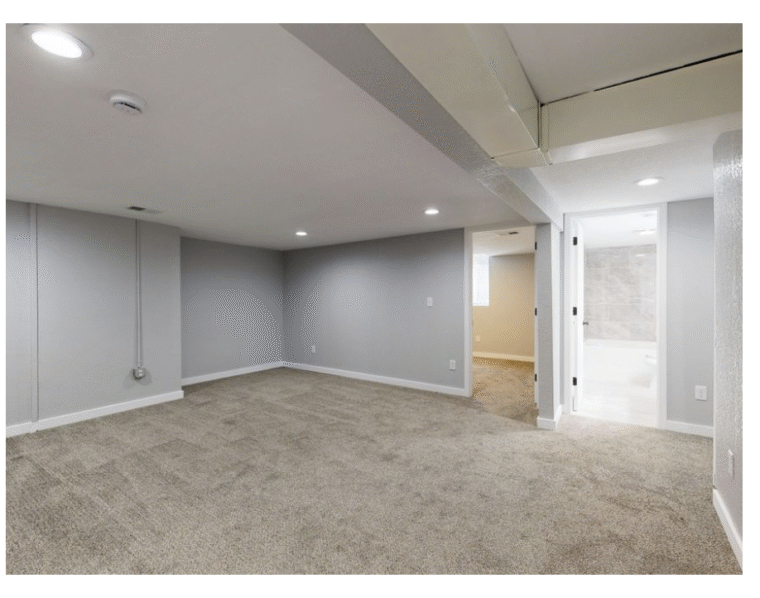
Walk down to most basements, and you’ll find the same thing. Boxes of decorations, a chair nobody sits in, wires running to nothing. It’s storage by accident, not by choice. The odd part is that it’s often the biggest open space in the house, and it sits there doing almost nothing. Fix it right and the whole house feels bigger. Fix it wrong, and you’ve spent real money on a nicer place to stack junk.
Start by Learning What the Basement Can Take
Every basement carries a few secrets, and they tend to come out mid-project. Maybe the ceiling sits too low for code. Maybe there’s no safe way out in an emergency. Maybe one wall gets damp every time it rains hard. Push ahead without knowing, and you’ll be pulling down fresh drywall to reach a problem you could have found on day one. That’s the fastest way to double your bill.
This is the part where professional basement remodeling services prove their worth. A seasoned team walks the room before anyone dreams up a layout. They read the space as it truly is, not as a mood board wishes it were.
They’ll check for old water lines on the walls, test how the frame sits, and note where the furnace and panel need clearance. Then they give it to you straight. This part is simple. That part is going to cost you. This idea won’t fit no matter how you draw it. You leave with a plan the room can actually hold, and the build runs cleaner because nothing catches you off guard halfway through.
Give the Room One Clear Job
The quickest way to ruin a basement is to ask it to be everything. A gym, a guest suite, an office, a theater, a playroom, all crammed under one ceiling. You end up with a rowing machine parked beside a sofa bed and a screen aimed at a wall of bins. Nothing works because everything is fighting for the same floor.
So choose. One main use, one that rides along with it. Teenagers need somewhere to do homework and then flop. A quiet office is better with a couch that folds out for visitors. A movie room can hold a spare bed without much fuss. Once the room knows what it’s for, the rest of the decisions fall into place on their own.
And be honest about how you live now. A full gym sounds great until it collects dust because nobody was lifting to begin with. A solid desk with a bit of soundproofing, though, pays for itself fast if you’re home on calls three days a week. Build for your real week, not the one in your head.
Spend Where It Counts
Basement budgets have a way of running off. You start with a coat of paint in mind and somehow end up quoting a bathroom, built-in shelving, recessed lights, and flooring tough enough for a toddler and a dog to fight on.
Break the money into four buckets. The bones come first: framing, wiring, insulation, the heating and cooling. Then the finishes, meaning paint, trim, fixtures, floors, cabinets. Last, a cushion you don’t touch unless the walls surprise you, which in an older house they usually do.
Put your money against use, not looks. A floor that holds up and lights that actually brighten the room beat a fancy detail you’ll stop seeing by next month. If the space gets daily traffic, comfort wins first. A soft-close drawer is a treat. An outlet right where you need it is worth more.
Short on funds? Do it in stages. Get the main room finished and livable, then add the extras when you can. A plain room that’s done beats a grand one that stalls halfway.
Pick Materials Built for Below Grade
Downstairs is not upstairs, no matter how sharp you want it to look. The air holds more damp, the temperature swings, and someone will always track in mud or knock over a drink. Your materials have to shrug that off.
Most people land on luxury vinyl plank, sealed concrete, or tile for the floor, since real wood tends to sulk below ground. Carpet has its place, a media room especially, but pair it with the right underlay and think twice if that floor has ever felt damp.
The walls and insulation deserve the same care. Mold-resistant board and proper vapor control spare you a nasty surprise a few winters out. Lighting matters more here than anywhere, because a basement slips into cave mode the second you let it. Stack your sources, some recessed, a few sconces, a lamp or two, and the room warms up instead of going flat.
One thing people forget until the delivery truck shows up: size. A huge sectional eats a basement alive, and the stairs may not even let it through. Measure the whole path in first. A dream couch stuck on the landing helps nobody.
Keep Storage From Swallowing the Room
A finished basement acts like a magnet for everything that got exiled from upstairs. Useful, sure, but only if you plan the storage on purpose. Leave it to chance, and the clutter drifts back in until your new room looks like the old mess with better paint.
Blend the hidden and the open. Cabinets with doors swallow the seasonal stuff, the games, the odds and ends. Open shelves are fine for books and a few nice pieces, as long as you hold the line so they don’t turn into a jumble.
If the mechanical gear lives down here, build a clear zone around it so nothing ever blocks the furnace or the panel. The dead space under the stairs earns its keep as a closet, a little desk, or a corner for the kids. In a tight basement, built-ins are your friend, since they climb the walls instead of eating the floor.
Storage serves the room. It doesn’t run it. If the space is meant for family nights, keep the visible stuff on theme. Throw blankets and controllers, yes. Ten boxes of paperwork from 2014, find them another home.
Build for Now, With One Eye on Later
A finished basement can lift what your house is worth, but the bigger win is the years you spend using it before any sale. Chase resale alone and you end up with a beige box that helps a future stranger more than it helps you.
Rooms that can shift roles tend to hold their value. Today’s office becomes tomorrow’s guest room becomes a second living room, and buyers down the line like that kind of range. Keep the big finishes calm and neutral. Save the bold swings for things you can undo, since one very specific theme narrows who’ll ever want the space.
Buyers notice the plain signals first. Good light, a floor that looks solid, a layout that makes sense, and the clear sense that the room stays dry. If you add a bath, a bedroom, or a small kitchen, look up how your area counts that square footage so the work pays off on paper too.
The best basement does both jobs at once. It fits your life today and still reads well the day you list. Turn it into a place people actually want to be, instead of a room where old lamps go to retire, and you’ve spent the money the right way.
