
What You Should Know About Keeping a Commercial Boiler Running Efficiently
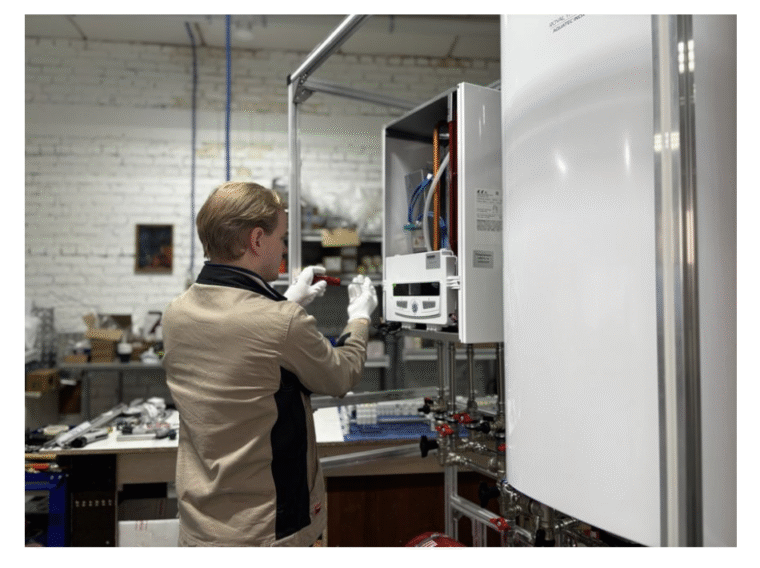
If you manage a building, a commercial boiler can feel invisible right up until it stops doing its job. Then the complaints arrive fast, and nobody suddenly cares more about heat than the people who just lost it. Whether you oversee an office, apartment property, school, or retail space, understanding how these systems work and how to maintain them can save you money, stress, and a few panicked phone calls on cold mornings.
Why commercial boilers matter more than most people realize
A commercial boiler does more than heat a building. It supports comfort, protects plumbing from freezing, and helps your business or property stay functional when temperatures drop.
In larger buildings, heating systems work harder and longer than residential units. They serve more people, more square footage, and often more complicated layouts. One weak component can create a chain reaction that affects tenant comfort, employee productivity, and operating costs.
If your building relies on hot water for daily operations, the pressure gets even higher. Restaurants, multifamily properties, medical spaces, and schools all depend on reliable performance. A boiler failure in those settings is not just inconvenient. It can interrupt business, trigger safety concerns, and create repair bills that escalate quickly.
A boiler may sit in a utility room with zero glamour, but it’s carrying a serious workload.
How to choose the right service provider for boiler work
Commercial boiler service is not the place for guesswork. These systems are complex, and the stakes are higher than a typical home heating call.
You want a provider with real commercial experience, not just general HVAC knowledge. Ask whether they handle systems similar to yours in size, fuel type, and building use. Response time matters too, especially during peak heating season when every contractor’s phone is lighting up.
It also helps to work with a company that can handle both maintenance and commercial boiler repair. That gives you continuity, better system familiarity, and a clearer service history over time.
Check credentials, insurance, and reviews, but do not stop there. Ask practical questions about diagnostics, parts sourcing, and follow-up support. A polished website is nice. A technician who can explain pressure issues clearly and fix them correctly is better.
Common warning signs you should never ignore
Boilers usually give you hints before they fail completely. The trick is catching those signs early instead of waiting for a full shutdown.
Watch for uneven heating across the building. If one area feels tropical and another feels like late November, the system may have circulation, pressure, or control issues. Strange noises also matter. Banging, whistling, or rattling can point to air in the system, mineral buildup, or failing components.
You should also pay attention to rising energy bills. If usage patterns stay about the same but costs jump, the boiler could be losing efficiency. Leaks, fluctuating pressure, and slow heating are other red flags.
Odors deserve immediate attention too. A metallic or burning smell can signal serious trouble. At that stage, wishful thinking is not a maintenance strategy. It’s more like a budget ambush waiting to happen.
What causes breakdowns in commercial boiler systems
Most boiler breakdowns are not random acts of mechanical rebellion. They usually come from wear, neglected maintenance, or system imbalances that build over time.
Scale and sediment are common problems, especially in areas with hard water. Mineral deposits can reduce heat transfer and force the system to work harder. Pumps, valves, ignition parts, and sensors also wear down with use. In older systems, corrosion becomes a major concern.
Control failures can be especially frustrating because the boiler may appear fine at first glance. A small issue with a thermostat, pressure control, or sensor can throw off the entire operation.
Poor maintenance habits make everything worse. Skipping inspections, delaying small fixes, or ignoring water treatment can turn minor issues into expensive service calls. The pattern is familiar: one avoidable problem gets postponed, then suddenly you’re explaining a heating outage to a room full of unhappy people.
How preventive maintenance saves money over time
Routine maintenance may not feel urgent when the boiler is still working, but that’s usually when it matters most. Preventive care helps you catch small issues before they become full-blown system failures.
A solid maintenance plan often includes checking burners, inspecting heat exchangers, testing pressure relief valves, cleaning components, and confirming controls are calibrated properly. Water quality checks are also a big deal. Bad water chemistry can quietly damage the system from the inside out.
The financial upside goes beyond avoiding emergency repairs. A well-maintained boiler tends to run more efficiently, which can lower utility costs. It may also last longer, delaying the major expense of replacement.
If you oversee budgets, this matters. Predictable maintenance costs are far easier to manage than surprise shutdowns, rushed parts orders, or lost operating hours. Emergency repairs almost always show up with terrible timing, like they have a calendar and a sense of humor.
When repair makes sense and when replacement deserves a look
Not every boiler problem means you need a new system. Many issues can be fixed effectively if the unit is otherwise in decent condition and the repair cost is reasonable.
Age plays a major role. If your boiler is relatively modern and the issue involves a pump, valve, ignition component, or control, repair is often the practical move. If the system is older, inefficient, and needing repeated service, replacement may start making more financial sense.
Look at the pattern, not just the latest invoice. One repair in three years tells a different story than four repairs in one winter. You should also consider energy performance, parts availability, and whether the system still meets the building’s demand.
A good contractor will help you compare repair costs against long-term operating expenses. That conversation is much more useful than tossing money at a tired system and hoping it suddenly develops a second youth.
Practical habits that help your boiler stay reliable
You do not need to become a boiler technician to improve system reliability. A few simple habits can help you spot issues early and support better performance.
Keep a maintenance log with service dates, repairs, pressure readings, and any unusual behavior. Patterns become easier to catch when they are written down. Train onsite staff to report noises, leaks, or heating inconsistencies right away instead of waiting for complaints to pile up.
Make sure the boiler room stays accessible and clean. Clutter around equipment slows inspections and can create safety concerns. If your building has seasonal demand shifts, schedule inspections before cold weather ramps up.
It also helps to review utility bills regularly. A sudden increase can be one of the earliest signs that efficiency is slipping. Boilers rarely send polite warning emails, so your data often speaks first.
With steady attention, smart maintenance, and qualified service support, you can keep your heating system dependable and your building a lot less dramatic when winter shows up.
