
Why Your Oral Health Matters More Than You Think
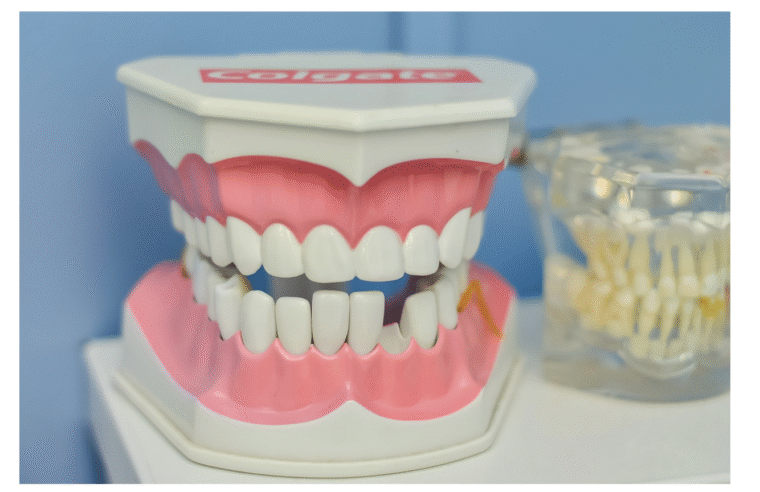
For families in Lake Stevens, WA, staying healthy often means eating well, exercising regularly, and scheduling routine medical checkups. Yet one important area of health is frequently overlooked: oral health. Your mouth is connected to the rest of your body in ways many people don’t realize. Healthy teeth and gums make it easier to eat, speak, and smile confidently, but they also play a role in your overall well-being. As awareness grows about the connection between dental health and general health, more people are recognizing that caring for their smiles is an important part of caring for their entire bodies.
A Healthy Smile Starts With The Right Guidance
Good oral health begins with prevention, regular checkups, and addressing concerns before they become more complicated. For children, teenagers, and adults with alignment or bite issues, visiting an experienced Orthodontist in Lake Stevens, WA can be an important part of maintaining long-term oral health. Properly aligned teeth are generally easier to clean, which may reduce areas where plaque can accumulate and contribute to dental problems.
Looking after tooth alignment isn’t simply about appearance. It can also make everyday brushing and flossing more effective, creating a stronger foundation for lifelong oral health.
Healthy Gums Support A Healthy Body
Many people think gum disease affects only the mouth.
In reality, healthy gums contribute to overall wellness.
Gum disease begins when plaque builds along the gumline, allowing bacteria to cause irritation and inflammation. Without proper treatment, mild gingivitis may progress into more advanced periodontal disease that affects the tissues supporting the teeth.
Researchers continue studying the relationship between gum disease and broader health conditions. While gum disease does not necessarily cause other illnesses, chronic inflammation in the mouth has been associated with several systemic health concerns.
The good news is that maintaining healthy gums doesn’t require complicated routines.
Daily brushing, flossing, regular dental visits, and professional cleanings remain some of the most effective ways to reduce plaque and support healthier gums throughout life.
Your Mouth Can Reveal Early Health Changes
Dentists often notice changes that patients haven’t yet recognized.
During routine examinations, dental professionals may identify signs of nutritional deficiencies, dry mouth, acid erosion, oral infections, or other conditions that deserve further evaluation.
Some medical conditions can also produce symptoms inside the mouth before they become obvious elsewhere.
This doesn’t mean every mouth sore indicates a serious illness.
However, regular dental examinations provide opportunities to detect unusual changes early, allowing patients to seek additional medical evaluation when appropriate.
Routine dental care serves an important role beyond preventing cavities.
It also contributes to monitoring overall health by identifying changes that may otherwise go unnoticed.
Early detection often creates better opportunities for timely treatment.
Nutrition Benefits Both Teeth And Overall Health
Food affects far more than body weight.
The nutrients people consume every day influence tooth strength, gum health, immune function, and overall wellness.
Calcium-rich foods support healthy teeth and bones, while vitamin D helps the body absorb calcium efficiently. Fresh fruits and vegetables provide vitamins, minerals, and fiber that contribute to both oral and general health.
Highly sugary foods and beverages deserve moderation because frequent exposure allows bacteria in the mouth to produce acids that weaken tooth enamel.
Water remains one of the healthiest beverage choices because it supports hydration while helping rinse away food particles.
Balanced nutrition benefits every part of the body.
Healthy teeth simply happen to be one of the first places where good nutrition becomes visible.
Straight Teeth Can Improve Daily Oral Care
Many people associate orthodontic treatment primarily with cosmetic improvements.
Appearance is certainly one benefit.
Function is equally important.
Crowded or overlapping teeth create tight spaces where toothbrushes and floss may have greater difficulty reaching effectively. This can allow plaque to accumulate more easily over time.
Improving tooth alignment may help simplify daily oral hygiene by making more tooth surfaces accessible during brushing and flossing.
Bite alignment also influences how teeth contact one another during chewing. In some situations, correcting bite problems may reduce uneven wear affecting specific teeth.
Orthodontic treatment is about creating healthier function alongside improved appearance.
Those benefits often continue long after treatment has finished.
Small Daily Habits Make The Biggest Difference
Maintaining good oral health doesn’t require expensive products or complicated routines.
Consistency matters far more.
Simple daily habits include:
- Brush twice each day using fluoride toothpaste.
- Floss once daily.
- Replace toothbrushes every three to four months.
- Limit frequent sugary snacks and drinks.
- Drink plenty of water.
- Schedule regular dental checkups and cleanings.
These practices help reduce plaque while supporting healthier teeth and gums.
Children benefit especially from learning these habits early because routines developed during childhood often continue throughout adulthood.
Small efforts performed consistently usually provide greater long-term benefits than occasional intensive care.
Prevention Is Easier Than Treatment
Many dental problems develop gradually.
A tiny cavity may not cause discomfort initially. Mild gum irritation often produces few noticeable symptoms. Small alignment issues may slowly become more difficult to correct over time.
Preventive care focuses on identifying these concerns before they require more extensive treatment.
Regular examinations allow dental professionals to monitor oral health, recommend appropriate preventive care, and answer questions before minor issues become significant problems.
Preventive dentistry generally saves both time and money while reducing the likelihood of discomfort associated with advanced dental conditions.
Maintaining oral health is rarely about reacting to emergencies.
It’s about preventing them whenever possible.
Consistent preventive care remains one of the smartest investments anyone can make in long-term health.
A Healthy Smile Supports Overall Well-Being
Oral health extends far beyond having an attractive smile.
Healthy teeth and gums support comfortable eating, clear speech, confidence, nutrition, and everyday quality of life. They also contribute to a healthier foundation for the rest of the body by reducing preventable dental problems and encouraging lifelong wellness habits.
The encouraging news is that meaningful improvements don’t require dramatic lifestyle changes. Daily brushing, flossing, balanced nutrition, routine professional care, and addressing concerns early all work together to protect oral health for years to come.
Whether someone is focused on preventing cavities, improving tooth alignment, or simply maintaining healthy gums, every positive habit contributes to better overall well-being.
Your mouth is an important part of your body, not a separate one. Caring for it consistently supports more than your smile—it supports your long-term health, confidence, and quality of life.
