
Considering Snap-On Veneers? 6 Ways to Protect Your Beauty Budget
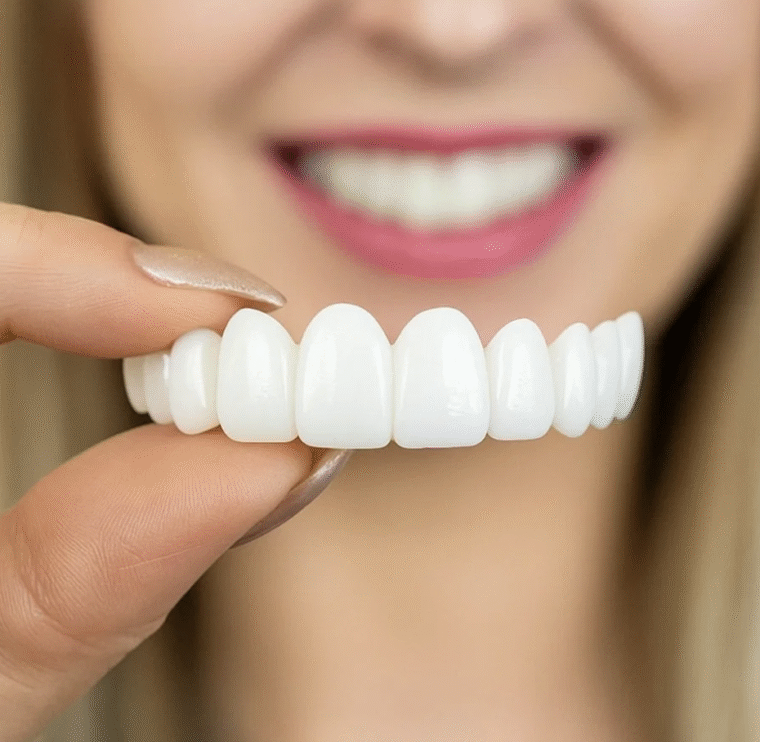
Between groceries, family expenses, and the occasional treat, there isn’t always much room left for a beauty splurge. If you’ve been looking into snap-on veneers, the promise of a different smile without the price of permanent cosmetic work can sound appealing.
But a sale price only tells part of the story. Before adding anything to your cart, it helps to understand what you’re buying, what the package includes, and what happens if you’re unhappy with the result.
Here are six practical ways to approach the purchase with your budget in mind.
- Start with what you want to change
Perhaps you’re thinking about an upcoming family photo session, a wedding, or simply feeling more comfortable smiling. Write down what you hope to get from the purchase before comparing products.
Snap-on veneers are removable cosmetic covers worn over existing teeth. They change the appearance of your smile while you wear them; they don’t straighten teeth or treat dental problems. If you have pain, bleeding gums, loose teeth, or untreated decay, speak with a dentist before considering them.
For an introduction to the options, VeneerVibe publishes consumer guides and comparisons covering removable veneers, fit, appearance, and provider policies. It’s a research resource, not a dental clinic, and it discloses that it may earn commissions through some links.
- Compare the complete shopping basket
An attractive headline price can make a product seem affordable before you’ve checked what’s included.
Start by checking whether the advertised amount covers your upper teeth, lower teeth, or both. Then look for impression-kit charges, shipping, replacement impression materials, and optional upgrades.
VeneerVibe’s guide to snap-on veneer costs explains the differences between generic covers, custom products, and dentist-supervised options, along with potential extra costs. Always confirm the latest price and terms with the provider.
A simple comparison sheet can help. Give each shortlisted option a column and record the final checkout total underneath. That makes it easier to spot when two advertised prices cover very different packages.
- Set your spending limit before browsing offers
It’s easy to start with a modest budget and gradually stretch it as upgrades appear. A different finish, faster delivery, and an extra warranty can each seem small on their own.
Decide your maximum spend before shopping, including delivery and any extras you actually want. If the total exceeds that amount, pause and reconsider the purchase.
Give yourself a cooling-off period, too. Save the details and revisit them the next day. A countdown timer shouldn’t decide whether something belongs in your household budget.
- Read the “what if?” policies
Before buying any custom product, find out what happens when the result doesn’t meet expectations.
Ask the provider:
- What happens if my impressions aren’t accepted?
- What support is available if the finished product doesn’t fit?
- Are remakes included, and what conditions apply?
- Are there deadlines for reporting a problem?
- What charges or deductions apply to a refund?
Keep a copy of the answers and the terms available when you order. Written details are more useful than a vague promise of customer satisfaction, especially if you need help later.
- Make your research match your plans
If you’re considering a purchase for a particular occasion, work backward from the date. Ask about the whole ordering process, including impressions, production, shipping, and time to resolve a problem.
Think about the occasion itself, too. A family portrait session and a wedding reception involve different activities. Check the specific product’s instructions for eating, drinking, cleaning, and wear before deciding whether it suits your plans.
When looking at customer photos, seek examples in ordinary lighting. Treat pictures as one part of your research, alongside product details and written policies.
- Leave room to decide against buying
Research doesn’t have to end with an order.
Before paying, ask yourself whether the product addresses something you personally want to change, whether you understand its limitations, and whether the expense feels comfortable. If any answer is unclear, give yourself more time.
There’s no need to make a cosmetic purchase to deserve a place in family photos or enjoy a special event. If you do choose to buy, a clear budget and a few well-timed questions can help you make the decision with more confidence.
