
What a Product Video Ad Really Costs in 2026 (All Three Ways, Priced Out)
If you sell anything online in 2026, somebody has already told you that you need video. They are right, annoyingly. The short vertical video, the kind that looks like a customer talking into their phone, is what actually stops thumbs on TikTok and Instagram, and product listings with a human explaining the thing consistently beat listings with a photo slideshow.
What nobody tells you is what that video should cost. So let’s do what we always do here: price out every way to get one, including the costs that never show up on the invoice.
Route 1: Hire a UGC Creator
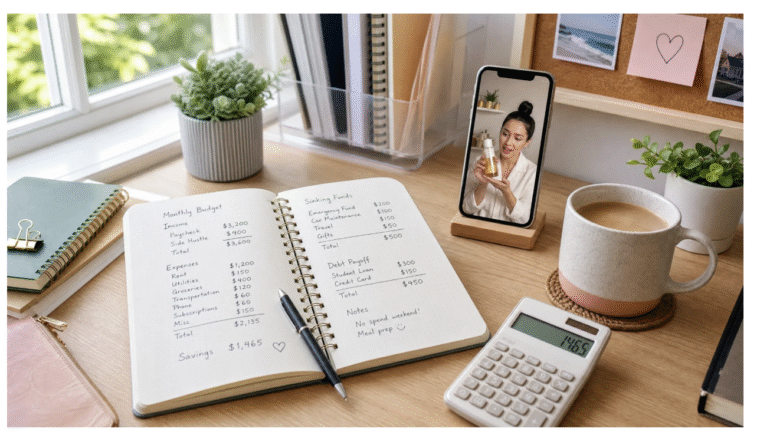
The standard route is paying a content creator to film your product in that casual, talking-to-camera style. The going rate runs $60 to $150 per video, and that number is real but incomplete.
Here is the fuller ledger. Finding and vetting creators costs time, and many charge separately for the brief and usage rights. Turnaround is typically one to two weeks, longer if you need a revision, and revisions usually cost extra. You also have to ship them the product, which for a $30 item plus postage is not nothing.
The sneaky part is that one video is rarely enough. Nobody, including the creator, knows in advance which selling angle will work. Maybe it is the unboxing, maybe the problem-solution story, maybe the skeptical-friend bit. Testing five angles the traditional way means five briefs, five fees and five waits, and suddenly this is a $500-plus project with a month of calendar time in it.
When it is worth it: when you already know your winning angle and want authentic human content to scale it. Creator content at its best has a credibility no software matches, and repeat collaborations get cheaper and smoother.
Route 2: Film It Yourself
The DIY route looks free, and if you enjoy being on camera it very nearly is. A phone, a window with decent light and a $20 tripod genuinely suffice. Some of the best-performing product videos on the internet were filmed in kitchens.
The honest cost is measured in hours and nerves. Scripting, filming ten takes because you blinked, learning a caption tool, re-cutting for the platform’s format: budget an afternoon per video while you are learning, and more if the camera makes you freeze. For a lot of shop owners the real blocker is not equipment. It is that they would rather restock inventory at midnight than watch footage of themselves talk.
When it is worth it: when you are comfortable on camera and your own face is part of the brand. A founder telling their story is a genre customers love, and no one can outsource that.
Route 3: Generate It With AI
The new route did not exist a few years ago. AI tools now produce that same creator-style video, an AI-generated person holding forth about your product, complete with script and captions, working directly from your product page. You paste the listing, and tools like ugcfy.ai read the product details, write several different hooks, and render a vertical video with a stock AI actor; the analysis and script drafts cost nothing, and you only pay when you render a finished video.
The pricing shape is subscription or one-time credits. Entry plans in this category sit around $59 a month, which covers roughly ten finished ads, and one-time packs start at $89 if subscriptions make you itchy. Per video, that works out to a mid-single-digit dollar figure, which changes the testing math completely: the cost of trying an angle drops from a creator fee plus two weeks to a few dollars plus a few minutes.
The honest limits: an AI actor is not a real customer and should not pretend to be one, so keep the claims accurate and use the platform’s AI-content disclosure settings where they apply. This route also will not give you the founder-story genre or a genuine testimonial. What it does is let you test ten angles for less than one creator video, find the message that works, and then spend your bigger money with confidence.
One more line item people forget on this route: your time still is not zero. Reviewing hooks, picking an actor that fits your product, and watching the drafts takes a real evening the first time. It is a fraction of the DIY route, but put it on the ledger, because this blog does not believe in free.
The Budget Math That Actually Matters
Here is the reframe that saves people money: stop pricing the video and start pricing the test.
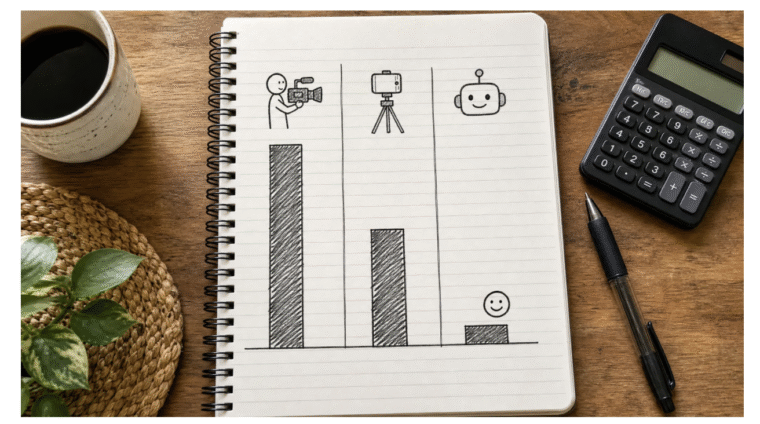
A video that runs as an ad is a bet on one message. If the message is wrong, a beautifully produced version of it just loses money more attractively. So the question is not “what does one video cost” but “what does it cost me to find the message that works.” Priced that way, the three routes stack differently. Creator route: $300 to $750 to test five angles, a month of waiting. DIY: five afternoons and considerable willpower. AI route: one entry-level month, an evening, and change from a hundred dollars.
The strategy that keeps showing up among small shops doing this well is a sequence, not a choice. Test cheap with AI until an angle proves itself in real ad results. Then, if the numbers justify it, hire a human creator to make the winning message with a real face and real hands on the product. You spend the expensive dollars only on the message you already know converts.
Bottom Line
There is no single right answer, but there is a wrong one: spending creator money to discover what you could have learned for five dollars, or spending nothing and never running video at all because the camera scares you. Match the route to the stage. Test cheap, scale what wins, and keep the receipts, because in this house we always keep the receipts.
