
Are Heat Pumps a Good Investment for Homes in Bremerton, WA?
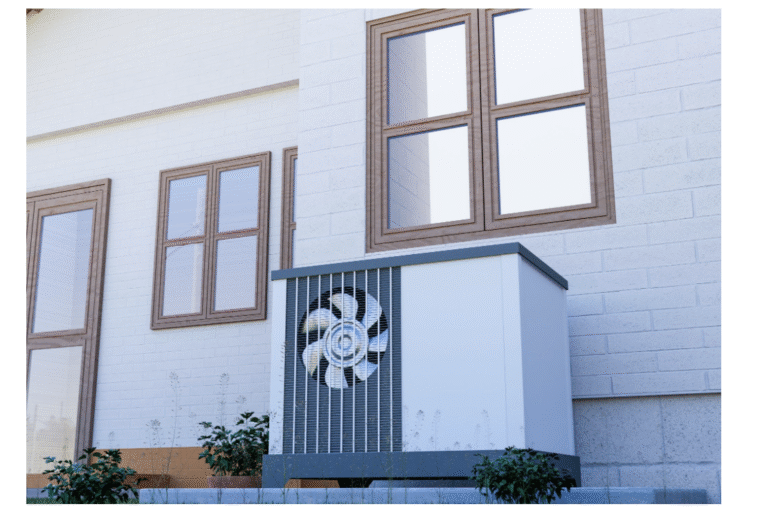
Replacing an aging heating system is a major expense, especially when winter utility bills are already stretching your household budget. If you live in Bremerton, Washington, you might wonder whether installing a heat pump will actually reduce energy costs or simply create another expensive home improvement project.
For many homeowners, heat pumps are worth considering because they provide heating and cooling through one system. According to the U.S. Department of Energy, more than 90% of American households assessed in its research could potentially save on energy bills by switching to an appropriately selected heat pump.
Understanding How Heat Pumps Work in Bremerton
Heat pumps transfer heat rather than generating it through combustion. During winter, they extract heat from outdoor air and move it indoors. During summer, they reverse the process, removing heat from inside the home to provide cooling.
For homeowners considering hvac services in Bremerton, WA, professional assessment is important because insulation, ductwork, electrical capacity, and home layout influence system performance. A properly selected heat pump should address the property’s actual heating and cooling requirements rather than relying on square footage alone.
Why Bremerton’s Climate Supports Heat Pumps
Bremerton experiences relatively mild, damp winters compared with many inland regions. These conditions can suit modern air-source heat pumps, which continue transferring heat even when outdoor temperatures feel cold.
However, efficiency varies with temperature, equipment specifications, and installation quality. Homes with inadequate insulation or significant air leakage may require additional improvements to achieve comfortable and economical operation.
How Heat Pumps Differ From Furnaces
Traditional gas furnaces generate heat by burning fuel, while electric resistance systems convert electricity directly into heat. Heat pumps use electricity to transfer existing heat, allowing them to deliver more heating energy than the electrical energy they consume under suitable operating conditions.
This difference can make heat pumps attractive for homeowners replacing electric baseboard heating or older equipment. Actual savings depend on energy prices and the system being replaced.
Are Heat Pumps Worth the Upfront Investment?
The financial value of a heat pump depends on installation expenses, expected energy savings, available incentives, and how long you plan to remain in your home. A lower installation quote does not necessarily provide the strongest long-term value.
Understanding Heat Pump Installation Costs
Installation costs vary according to equipment capacity, ductwork condition, electrical requirements, and whether the home needs additional insulation or air sealing. Ductless systems serving individual areas have different installation requirements from whole-home ducted configurations.
Request detailed estimates that identify equipment, labor, electrical modifications, permits, and any necessary building improvements. Comparing equivalent proposals helps prevent unexpected costs after work begins.
Comparing Long-Term Energy Expenses
Homeowners replacing electric resistance heating may experience substantial energy savings because heat pumps transfer heat instead of producing it directly. Savings compared with natural gas systems are less predictable and depend heavily on local utility rates.
Research and guidance from ENERGY STAR explain the efficiency advantages of certified air-source heat pumps. However, homeowners should request estimates based on their actual energy consumption rather than assuming national averages will apply.
Calculating the Payback Period
A basic payback calculation compares the additional upfront investment with expected annual savings. For example, an upgrade costing $4,000 more than an alternative system and saving $500 annually would have a simple payback period of eight years.
This illustrative calculation excludes financing, maintenance differences, future utility prices, and equipment replacement costs. A contractor’s estimate should account for these factors where practical.
Choosing Between Different Heat Pump Systems
The best heat pump for a Bremerton home depends on existing heating equipment, available ductwork, room layout, and comfort requirements. Different configurations offer advantages for different property types.
Ducted Heat Pumps
Ducted systems distribute conditioned air through existing or newly installed ductwork. They can be practical for homes already equipped with suitable forced-air heating systems.
Before installation, contractors should evaluate duct leakage, airflow, insulation, and system compatibility. Poorly maintained ducts can undermine comfort and efficiency even when the heat pump itself performs well.
Ductless Mini-Split Heat Pumps
Ductless mini-splits deliver heating and cooling directly to individual rooms or zones. They are useful for older homes without ductwork, converted spaces, additions, and areas with inconsistent temperatures.
Indoor units require suitable placement, and multiple zones can increase equipment and installation costs. Homeowners should compare coverage, appearance, noise, and control options before selecting a configuration.
Hybrid Heating Systems
Hybrid systems combine a heat pump with another heating source, commonly a gas furnace. Controls can switch between systems according to outdoor conditions, operating costs, or equipment settings.
This arrangement may suit homes with existing furnace infrastructure, although additional complexity and maintenance requirements should be considered.
How Heat Pumps Perform During Bremerton Winters
Heat pump performance is particularly relevant in Western Washington, where homeowners need reliable heating through extended periods of cool, wet weather. Modern systems can provide steady warmth without the pronounced heating cycles associated with some conventional furnaces.
Comfort During Cold and Damp Weather
Properly designed heat pumps can maintain comfortable indoor temperatures during much of Bremerton’s heating season. Their heating output and efficiency still vary with outdoor conditions, making appropriate equipment selection essential.
Cold-climate models may be worth comparing when additional low-temperature performance is required. Contractors should explain the system’s rated heating capacity at relevant winter temperatures.
Defrost Cycles and Backup Heating
During cold, damp conditions, frost can accumulate on an outdoor heat pump coil. The system periodically enters a defrost cycle to remove this buildup and restore normal operation.
Defrosting is expected behavior, but excessive icing or prolonged heating interruptions deserve professional attention. Some installations also use auxiliary heating to maintain comfort during demanding conditions.
What Makes a Heat Pump More Efficient?
Equipment efficiency matters, but installation quality and building conditions often determine whether homeowners achieve expected results. A highly rated heat pump cannot fully compensate for substantial heat loss or poor airflow.
Insulation and Air Sealing
Insulation reduces heat transfer through walls, ceilings, and other building surfaces. Air sealing helps limit uncontrolled outdoor air entering the home.
Improving these conditions before installation can reduce heating demand and potentially influence the equipment size required. Older Bremerton homes may benefit from an energy assessment before selecting a new system.
Correct Equipment Sizing
An oversized heat pump may cycle unnecessarily or struggle to manage comfort consistently, while an undersized system may rely heavily on auxiliary heating during colder periods.
Professional contractors should perform an appropriate heating and cooling load calculation rather than selecting equipment solely by matching the previous system’s capacity.
Heat Pump Rebates and Financial Incentives
Available incentives can influence the total cost of installing a heat pump. However, eligibility, funding, and program requirements change, so homeowners should confirm current terms before making financial decisions.
Check Local and State Programs
Bremerton homeowners can ask their electric utility and installation contractors about applicable efficiency programs. Washington energy initiatives may also offer assistance to qualifying households or projects.
Confirm whether incentives require approved contractors, specific equipment ratings, income qualifications, or applications submitted before installation.
Verify Federal Incentive Eligibility
Federal tax provisions and eligibility rules can change between tax years. Do not assume an incentive advertised in an older article remains available for a new installation.
Review current official guidance or consult a qualified tax professional before including potential credits in your project budget.
How to Choose a Heat Pump Installer in Bremerton
A reliable installation begins with an assessment of the home rather than a recommendation based solely on equipment brand. Contractors should explain how the proposed system will meet heating demand and provide summer cooling.
Questions to Ask Before Installation
Ask whether the contractor will perform a load calculation, inspect existing ducts, evaluate electrical capacity, and explain winter performance. Request information about warranties, maintenance, equipment placement, and any necessary permits.
Obtain comparable written proposals whenever practical. Differences in installation scope can be more important than small variations in equipment pricing.
Compare More Than the Initial Price
A thorough proposal should identify equipment specifications, installation work, controls, and any recommended home improvements. Ask how the contractor plans to verify airflow and system operation after installation.
Clear documentation makes it easier to evaluate long-term value and understand what services are included.
Frequently Asked Questions
Are Heat Pumps Worth the Money in Washington State?
Heat pumps can be a worthwhile investment because they provide efficient heating and summer cooling. Financial benefits depend on installation costs, existing equipment, electricity rates, available incentives, and the home’s insulation and heating requirements.
Can Heat Pumps Handle Bremerton’s Cold Winters?
Modern air-source heat pumps can operate effectively during Bremerton’s generally moderate winters when properly sized and installed. Performance varies by model and temperature, so homeowners should compare equipment ratings and discuss backup heating requirements.
Do Heat Pumps Work in Older Bremerton Homes?
Yes, older homes can use ducted or ductless heat pumps depending on their layout and existing infrastructure. However, insulation improvements, electrical upgrades, or duct repairs may be necessary to achieve reliable comfort and efficiency.
How Long Does a Heat Pump Typically Last?
Many residential heat pumps operate for approximately 10 to 15 years, although actual lifespan varies with equipment quality, usage, installation conditions, and maintenance. Regular servicing can help maintain performance and identify developing problems.
Final Thoughts: Is a Heat Pump Right for Your Bremerton Home?
For many Bremerton homeowners, heat pumps offer a practical combination of heating efficiency, summer cooling, and long-term comfort. Their financial value depends on the existing heating system, installation requirements, energy prices, and available incentives.
Before investing, arrange a home assessment, compare equipment configurations, and request detailed installation estimates. Choosing a properly sized system that suits your property is the most reliable way to turn a heat pump upgrade into lasting value.
