
Before You Buy or Move In: A Smart Home Inspection Guide to Avoid Costly Repairs
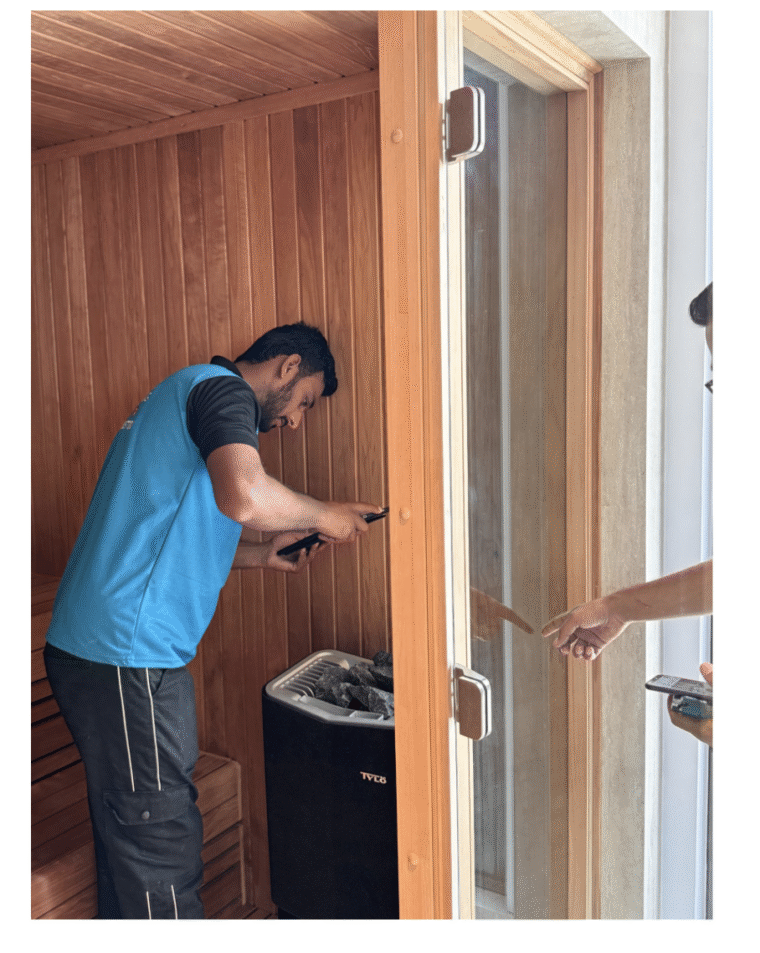
Buying a home is one of the biggest financial decisions most people make. Beyond the purchase price, there are moving expenses, furniture costs, utility bills, and the ongoing responsibility of keeping the property in good condition. That is why a careful home inspection is worth considering before moving into a new house or apartment. Identifying defects early can help buyers make informed decisions, plan their budgets, and avoid unexpected repair expenses.
Whether you are purchasing a newly built property or an older home, a thorough property inspection can reveal problems that might otherwise go unnoticed during a quick viewing. From damaged flooring and leaking taps to poorly sealed windows and exterior drainage concerns, small details can make a difference to the long-term cost of homeownership.
Why a Home Inspection Is a Smart Financial Decision
A property may look perfect on a viewing, however, beneath the fresh paint or new floors, there can be issues. Many buyers tend to focus on the location, layout, and overall appeal of the home, yet neglect to consider the state of other important items.
A professional inspection offers a more objective view on the property, which is better in determining potential flaws, as well as the areas that may require more in-depth research.
A buyer should try to find out about obvious defects, unfinished work, and red flags that would require further attention, such as broken or improperly sealed showers or windows. For instance, if the caulk around the shower in the bathroom is chipped, it may allow water to seep in and ruin the wall finish.
The inspection can assist in determining the issues that need to be brought up to the seller. However, it is impossible to detect all of the potential concerns, which is why the buyers should ask about the necessary costs and bring them up before finalizing the purchase.
What Is Snagging, and When Is It Useful?
Snagging refers to the inspection of a property to identify defects, incomplete installations and generally unacceptable workmanship. It is usually carried out when a newly built property is about to be handed over.
During snagging survey, the surveyor looks at the walls, ceilings, floors, doors, windows, kitchen, bathrooms, and any other accessible fittings in the property to spot any and note them down with precision.
Some of the items likely to be snagged include chipped tiles, badly painted surfaces, loose handles, faulty silicones, and windows that do not open or close properly. These observations are then compiled into a snagging report together with digital photos illustrating the problem areas.
The importance of snagging arises from the fact that new does not always mean defect-free.
A snagging survey provides the buyer with a clear list of items that require correction. In most cases, the snagging report comes with recommended actions to take for the repair or adjustment of the snagged items. However, the specific corrective actions to be taken and the procedure to follow in making the complaints are determined by the applicable legal requirements and the specific conditions of the contract between the buyer and the developer or contractor.
How Property Snagging in Dubai Helps Homebuyers
In Dubai, many buyers purchase newly built apartments, villas, and townhouses before moving in. Property snagging Dubai services can help these buyers assess the visible condition of a property before accepting handover.
The climate and building design also make certain checks particularly relevant. Air-conditioning performance, window seals, bathroom waterproofing, drainage, and exterior finishes deserve attention because defects in these areas can affect everyday comfort or lead to maintenance concerns.
A structured inspection may include:
- Checking accessible walls, ceilings, and floors for visible damage.
- Looking for leaks around taps, sinks, showers, and toilets.
- Checking the operation of doors, windows, locks, and handles.
- Examining accessible air-conditioning components for obvious concerns.
- Recording damaged finishes and incomplete installation work.
- Reviewing visible exterior drainage and finishes around the building.
Buyers should remember that a standard visual inspection does not replace specialist structural, electrical, or mechanical assessments when those are necessary.
Choosing a Snagging Company Dubai Buyers Can Trust
When arranging an inspection, it is important to understand what the service includes rather than choosing solely on price. A reliable snagging company Dubai buyers consider should explain its inspection scope, reporting process, fees, and limitations before the appointment.
Here are a few practical questions to ask:
What does the inspection cover? Confirm which rooms, fixtures, systems, and exterior areas are included.
Will the report contain photographs? Clear images and specific descriptions make defects easier to locate and discuss.
What happens if a technical issue is suspected? The provider should explain when a specialist assessment may be required.
Is a follow-up inspection available? If repairs are completed after the initial inspection, a separate visit may help document whether the reported issues appear to have been addressed.
A professional property inspection Dubai service can be especially useful for buyers who cannot attend every stage of the handover themselves. However, the service should match the property’s condition and the buyer’s specific requirements.
Understanding the Difference Between Villa and Townhouse
Choosing the right property involves more than comparing prices and bedroom counts. Understanding the difference between villa and townhouse ownership can also help buyers anticipate maintenance responsibilities.
A villa is generally a standalone residential property, often with its own surrounding outdoor space. A townhouse typically shares one or more walls with neighbouring homes and may be part of a planned residential community. Exact layouts, ownership arrangements, and maintenance responsibilities vary by development.
Because a villa often has more independent exterior areas, buyers may need to pay particular attention to boundary walls, outdoor paving, roof-related concerns where accessible, drainage, and visible finishes around the building.
For a townhouse, the inspection should still cover interior finishes, plumbing, windows, doors, and accessible systems. Buyers should also understand which exterior or shared elements are maintained by the owner, the community management, or another responsible party.
Neither property type is automatically cheaper to maintain. The overall cost depends on factors such as age, construction quality, size, design, maintenance history, and the responsibilities established in the ownership or community documents.
A suitable inspection helps buyers understand the property’s current condition before making assumptions about future costs.
Why Plinth Protection and Exterior Drainage Matter
When checking a property, it is easy to focus on the kitchen, bathrooms, and living spaces while overlooking the area around the building’s base.
Plinth protection generally refers to a protective surface or treatment around the base of a building near ground level. Its design and function depend on the construction details, but the surrounding finishes and drainage arrangements can be important for managing surface water.
During an exterior inspection, buyers can look for visible cracks, damaged paving, gaps, standing water, or surfaces that appear to direct water toward the building. These observations do not automatically indicate a serious defect, but persistent moisture or repeated drainage problems deserve further attention.
Addressing a concern early may help prevent avoidable deterioration. If the cause is unclear, an appropriately qualified professional should assess it rather than relying on guesswork.
What Does Good Snagging Work Look Like?
Useful snagging work goes beyond walking through a property and pointing out imperfections. Each finding should be documented in a way that allows the owner, developer, or contractor to understand the issue.
For example, writing “bathroom needs repair” does not explain what is wrong. A more useful report might identify the bathroom location, describe the damaged sealant beside the shower, and include a photograph of the affected area.
A clear report should generally include:
- The room or area where the defect was observed.
- A concise description of the problem.
- Photographs where they help explain the finding.
- Notes on any access or testing limitations.
- Recommendations for further assessment when necessary.
This approach helps homeowners organize repair requests and keep records of outstanding issues. It also makes it easier to review the findings after corrective work has been completed.
Not every defect has the same priority. A potential safety concern or active leak may need prompt attention, while a minor cosmetic issue may be handled as part of routine finishing work.
Simple Snagging Tools That Help With Property Checks
Some basic snagging tools can help homeowners document visible concerns during a walkthrough. A flashlight can make dark corners easier to examine, while a measuring tape can help record dimensions where necessary. A phone or camera is useful for photographing defects and noting their locations.
A spirit level may help check certain surfaces, and a suitable moisture meter can provide additional information when investigating suspected dampness. However, readings must be interpreted correctly, and they do not automatically establish the source of a problem.
Electrical testing, structural assessments, and investigations of concealed systems should be left to appropriately qualified professionals when required.
Tools are helpful, but careful observation and clear records are just as important. Buyers should avoid attempting potentially dangerous tests or dismantling fixtures without the necessary expertise.
How to Budget for Repairs Without Overspending
One advantage of inspecting a property early is that it gives buyers more information for financial planning. Instead of treating every defect as an emergency, homeowners can organize the findings according to urgency and likely impact.
Start by separating safety concerns and active leaks from cosmetic issues. Arrange appropriate professional advice for significant or uncertain defects, then obtain itemized estimates for necessary repairs.
Where practical, compare more than one quotation for substantial work. Make sure each contractor is pricing the same scope so that the estimates can be compared fairly.
It is also sensible to keep a maintenance reserve for unexpected expenses. The amount needed will vary according to the property’s age, condition, systems, and ownership responsibilities.
Avoid assuming that the cheapest repair quotation is always the best value. Poor workmanship can create additional costs if the same problem has to be corrected later.
When Should You Arrange a Property Inspection?
The right timing depends on the property and the reason for the inspection.
Before buying an existing home, an inspection can help identify visible defects and areas that may need specialist assessment before the purchase is finalized.
Before accepting a newly built property, snagging can help document incomplete work and finishing issues. Buyers should review the relevant handover procedures and contract terms so that concerns are raised through the appropriate process.
Before moving into a rental property, a condition inspection can record existing damage and the state of included fixtures. At the end of the tenancy, a move-out inspection can provide a comparison with the original record, taking ordinary wear and tear and other relevant circumstances into account.
These inspections serve different purposes, but they share one important benefit: they create a clearer record of the property’s observed condition at a particular time.
Make Informed Decisions Before Spending More
A property purchase should be based on more than just nice pictures or a successful viewing. Knowing the condition of the home can help buyers make more realistic decisions about repairs, maintenance and future spending. Services such as Water Leak Detection Dubai can also help identify potential leaks early, reducing the risk of hidden water damage and unexpected repair costs.
Whether you are comparing a villa against a townhouse, preparing to accept a new-build property, or checking an older home before moving in, a structured inspection can help identify concerns that need your attention.
For buyers in Dubai, working with an experienced property inspection provider can make the handover process more organised and provide a useful record of visible defects. The aim isn’t to expect perfection in every property, but to understand what you are buying, identify concerns as early as possible, and plan your next steps.
A little preparation before moving in can help you avoid preventable surprises and make more informed decisions about your home and your budget.
