
Cool Comfort, Lower Bills: Smarter Ways to Manage Home Air Conditioning
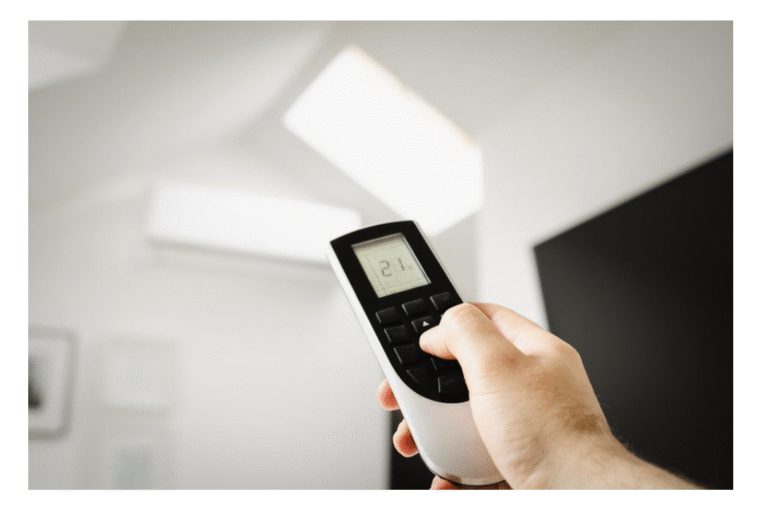
Keeping a home comfortable should not require watching the electricity meter with dread. In Tampa, average daily highs reach about 91°F in July and August, according to 1991–2020 climate normals, and humid weather adds another challenge. Air conditioners must remove heat and moisture, so inefficient habits or neglected equipment can make indoor spaces uncomfortable while bills climb. Better settings, maintenance, moisture control, and home improvements can reduce waste without sacrificing comfort.
Find the Small Habits That Make Cooling Expensive
Leaving sunny windows uncovered, cooking with the oven during the hottest hours, and allowing filters to clog can all increase the work your equipment must do.
Close suitable blinds when direct sunlight is strongest, use kitchen and bathroom exhaust fans while producing heat or moisture, and switch off unnecessary appliances. Ceiling fans can make occupied rooms feel cooler by moving air across skin, but they do not lower room temperature; turn them off when nobody is there.
Avoid lowering the thermostat dramatically to cool the house faster. Most conventional systems do not cool faster because of a lower setting. They simply run longer before switching off.
Make Maintenance a Habit Before Problems Escalate
Routine checks help catch inexpensive problems before they interfere with comfort. Dirty filters restrict airflow, while clogged condensate drains, deteriorating electrical components, or fouled coils can affect performance and reliability.
Homeowners comparing HVAC services in Tampa should ask whether an inspection includes airflow, drainage, controls, electrical connections, and equipment condition. Explain any rooms that struggle to cool, unusual cycling, and recent increases in energy use. A diagnosis is better than guesswork.
Between professional visits, follow the manufacturer’s filter instructions, keep outdoor equipment clear of leaves and overgrowth, and avoid blocking indoor supply or return grilles. Never open electrical cabinets or attempt refrigerant repairs yourself.
Understand Why Humidity Changes Everything
A thermostat measures temperature, not the full experience of comfort. Excess indoor moisture can make rooms feel clammy even when the cooling system is running. It can also encourage condensation and musty odors that deserve investigation.
Air conditioners generally remove some moisture as they cool, but effective dehumidification depends on appropriate sizing, airflow, operating time, and drainage. An oversized unit may reach its temperature setting quickly without running long enough to manage humidity well.
Check for dripping condensate lines, blocked drains, and moisture entering through leaks. Do not assume that dropping the thermostat is the solution to persistent dampness. The underlying cause may require ventilation improvements, moisture repairs, or professional assessment.
Give the Thermostat a Schedule That Fits Your Life
A comfortable setting should reflect when people are home, sleeping, or away. Setting the temperature somewhat higher during extended absences can reduce cooling demand; programmable controls make that adjustment easier to repeat.
A practical explanation of how programmable thermostats manage energy use shows why scheduling is more reliable than constantly changing settings by hand. Adjust settings to suit household needs and humidity control.
Place thermostats away from direct sun and heat-producing appliances when possible. If a room remains uncomfortable despite reasonable settings, look for airflow or insulation problems rather than forcing the whole house colder.
Keep Outdoor Heat From Sneaking Inside
Your cooling system works harder when the building allows heat to enter freely. Gaps around doors, insufficient insulation, sun-exposed windows, and leaky ducts can all undermine otherwise efficient equipment.
A good starting point is identifying insulation and air-sealing opportunities. Weatherstripping and suitable sealing can help, while attic improvements may reduce heat transfer through the ceiling. Account for ventilation and moisture when making changes.
Use shades strategically and consider whether exterior shading suits your home. Avoid closing supply vents indiscriminately: restricting airflow can interfere with how some systems operate. Addressing the building itself often provides comfort benefits that a lower thermostat setting cannot deliver.
Recognize When Equipment Needs Professional Attention
Persistent weak airflow, unusual noises, frequent starts and stops, water around the indoor unit, or a sharp unexplained rise in electricity use can indicate trouble. Early assessment may prevent further trouble.
A dirty filter may be a simple correction, but frozen coils, electrical faults, or refrigerant issues require qualified help. Switch the equipment off and seek prompt assistance if you notice burning smells, sparking, or other obvious hazards.
Replacement deserves consideration when repairs become frequent, efficiency is poor, or the system no longer provides adequate comfort. Age matters, but condition, repair cost, and proper sizing matter too. Ask for an explanation of the diagnosis before approving major work.
Budget for Total Comfort, Not Just the Next Bill
Look at energy use across comparable months rather than judging one bill in isolation. Weather and household activity change, so unusually high consumption becomes more meaningful when considered alongside the equipment’s performance.
Set aside money for routine servicing and possible repairs. If replacement is approaching, compare installation costs, expected efficiency, warranties, and suitability for your home’s actual cooling load. A cheaper unit that is poorly sized or installed may create more expensive problems later.
Be skeptical of guaranteed savings figures that ignore insulation, utility rates, and how you use the house. Good decisions come from realistic estimates and transparent explanations, not a promise that one purchase will solve every comfort complaint.
Build a Cooling Routine You Can Maintain
Affordable cooling does not have to mean enduring uncomfortable rooms. Small, repeatable habits work best when combined with a maintained system and a home that resists unwanted heat and moisture.
Choose thermostat settings you can live with, keep filters and drainage on the maintenance calendar, and pay attention to changes in airflow or humidity. When problems persist, investigate rather than compensating with colder settings.
The aim is a home that feels consistently comfortable without constant thermostat battles or unexpected service calls. A practical cooling plan protects daily comfort, reduces preventable expenses, and makes the hottest months easier to manage without unnecessary sacrifice during long cooling seasons.
