
Are Peptide Injections FDA-Approved? What Patients Should Know
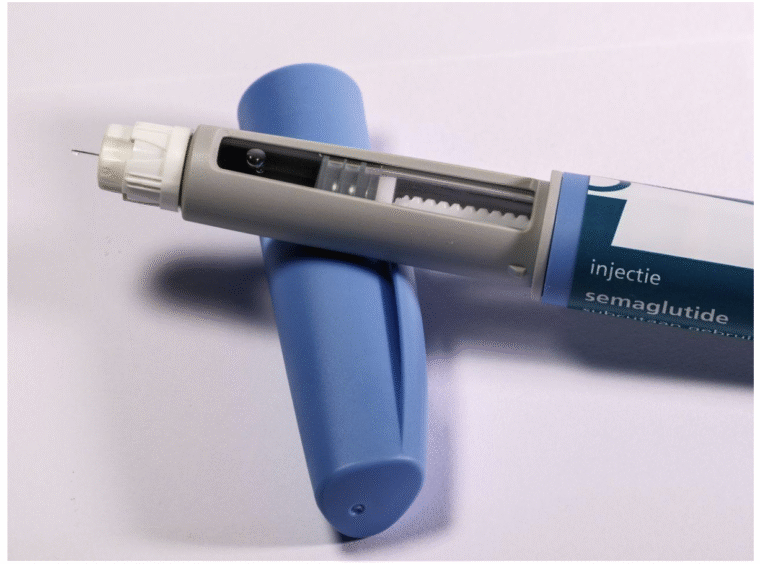
Peptide injections have gained attention across the United States as more people explore treatments for weight management, hormone-related conditions, recovery, and overall wellness. Online clinics and wellness providers frequently advertise peptide-based treatments, but many patients have an important question: Are peptide injections FDA-approved?
The answer depends on the specific medication. Some peptide injections are FDA-approved for particular medical conditions, while others remain experimental, unapproved, or available only under limited legal circumstances.
Understanding the difference is essential before beginning treatment. FDA approval provides important information about a medication’s safety, effectiveness, manufacturing quality, and intended medical use.
This guide explains how peptide injections are regulated in the USA, which treatments have FDA approval, and what patients should know about potential risks.
What Are Peptide Injections?
Peptides are short chains of amino acids that perform various functions throughout the human body.
They can act as signaling molecules, helping regulate hormones, metabolism, appetite, and other biological processes.
Peptide injections contain manufactured peptide substances administered into the body, commonly through subcutaneous or intramuscular injection, depending on the medication.
Some peptide-based injections are established prescription treatments supported by clinical research.
Others are promoted for anti-aging, muscle recovery, energy, or general wellness despite limited evidence of safety and effectiveness.
Because the term peptide therapy covers many different substances, patients should evaluate each treatment individually.
Are Peptide Injections FDA-Approved in the USA?
Yes, certain peptide injections are FDA-approved in the United States.
However, FDA approval applies to specific medications and indications rather than peptide therapy as a general category.
Before approving a medication, the FDA evaluates evidence concerning its safety, effectiveness, and manufacturing quality.
An approved drug also includes prescribing information describing its intended uses, dosage, contraindications, warnings, and potential adverse reactions.
Importantly, FDA approval for one condition does not automatically mean the medication is approved for other purposes.
Patients should verify the exact product and its approved indication before starting treatment.
Which Peptide Injections Are FDA-Approved?
Several well-established medications contain peptide-based active ingredients.
Semaglutide
Semaglutide is a GLP-1 receptor agonist that helps regulate appetite and blood sugar.
FDA-approved semaglutide products include Wegovy and Ozempic.
Wegovy has indications involving chronic weight management in eligible patients, while Ozempic is primarily prescribed for type 2 diabetes and certain related health risks.
Their approved uses, formulations, and dosing instructions differ.
Tirzepatide
Tirzepatide activates both GLP-1 and GIP receptors.
FDA-approved products include Zepbound and Mounjaro.
Zepbound is approved for chronic weight management and certain other indications, while Mounjaro is prescribed for type 2 diabetes.
Insulin
Insulin is another important example of a peptide-based medication.
Various FDA-approved insulin products are used to manage diabetes.
These examples demonstrate that peptide-based injections can be legitimate, evidence-supported medical treatments.
However, their approval does not establish the safety of unrelated peptides marketed by wellness clinics.
Are Sermorelin Injections FDA-Approved?
Sermorelin is a synthetic peptide that stimulates growth hormone release.
It has attracted interest in wellness settings for potential effects on hormone activity, body composition, and aging.
However, sermorelin injections currently marketed for anti-aging, weight loss, or general wellness are not FDA-approved for those purposes.
A sermorelin-containing prescription product was previously approved for certain diagnostic and pediatric uses but was later discontinued.
That historical approval should not be confused with approval of today’s compounded sermorelin products.
Patients should ask healthcare providers about the treatment’s regulatory status, clinical evidence, and potential risks.
Are Glutathione and NAD+ Injections FDA-Approved?
Glutathione and NAD+ injections are frequently promoted by wellness providers.
Glutathione is a naturally occurring antioxidant involved in cellular protection.
NAD+ is a coenzyme that participates in cellular energy metabolism.
Some clinics advertise injectable forms of these substances for detoxification, energy, skin health, or anti-aging.
However, injectable glutathione and NAD+ products marketed for these general wellness purposes are not FDA-approved treatments for those claims.
Research supporting many advertised benefits remains limited.
Patients should avoid assuming that naturally occurring substances are automatically safe when administered by injection.
What About Compounded Peptide Injections?
Compounded medications are prepared by authorized professionals to address particular patient needs under applicable laws.
However, compounded drugs are not FDA-approved.
This means the FDA does not review individual compounded formulations for safety, effectiveness, or quality before they are marketed.
Some patients researching Compounded Semaglutide for Weight Loss encounter online advertisements presenting compounded products as less expensive alternatives to brand-name medications.
It is important to understand that compounded semaglutide is not FDA-approved and is not automatically equivalent to Wegovy.
Federal and state laws also restrict when compounded medications may be prepared, particularly when they are essentially copies of commercially available FDA-approved drugs.
Patients should discuss legally available, medically appropriate treatment options with a licensed healthcare professional.
What Are the FDA Rules for Peptide Injections?
The FDA regulates prescription medications based on their ingredients, intended uses, manufacturing processes, and applicable legal requirements.
FDA-approved medications must satisfy established standards before marketing.
Compounded drugs operate under different regulatory provisions and may qualify for certain exemptions when legal conditions are met.
However, not every peptide can legally be compounded.
The FDA has identified safety concerns involving certain substances marketed for compounding, including concerns about limited human safety information, impurities, and immunogenicity.
Products sold as “research peptides” are another area of concern.
Labeling a substance “for research use only” does not make it appropriate or legal to sell for human treatment.
Patients should be cautious about websites offering injectable peptides without valid prescriptions or appropriate medical oversight.
What Are the Risks of Unapproved Peptide Injections?
Unapproved peptide injections may carry additional uncertainties because reliable clinical evidence is often limited.
Potential concerns include
- Incorrect dosing or medication concentration
- Contamination during preparation
- Allergic or immune reactions
- Injection-site infections
- Unexpected hormonal effects
- Interactions with existing medications
- Unknown long-term complications
Even FDA-approved peptide medications can cause adverse reactions.
For example, GLP-1 medications may cause nausea, vomiting, constipation, or diarrhea.
Certain products also carry warnings involving pancreatitis, gallbladder problems, and other serious complications.
A licensed healthcare professional should evaluate individual risks before prescribing treatment.
Can You Get Peptide Injections Online?
Telehealth services may provide access to medical evaluations for certain prescription peptide-based treatments.
Patients generally complete an online medical assessment that includes their health history, current medications, and treatment goals.
A licensed healthcare professional then determines whether treatment is appropriate.
Affinity Direct offers online healthcare services that include weight management and selected peptide-related treatment options. Patients can explore available services and complete a medical intake for licensed-provider review.
Prescription eligibility and fulfillment depend on medical evaluation, medication availability, and applicable legal requirements.
Patients should verify provider licensing, pharmacy credentials, and treatment details before enrolling.
How Can You Verify Whether a Peptide Is FDA-Approved?
Patients can take several practical steps to confirm a medication’s regulatory status.
First, ask the healthcare provider for the exact medication name and manufacturer.
Next, search the FDA’s Drugs@FDA database to determine whether the product has an approved application.
Patients can also review official prescribing information to confirm approved uses, dosing instructions, and safety warnings.
If a provider recommends a compounded medication, ask why an FDA-approved alternative cannot meet the patient’s medical needs.
Be cautious of clinics that advertise every peptide treatment as FDA-approved or promise benefits unsupported by clinical evidence.
How Much Do FDA-Approved Peptide Injections Cost?
The cost of peptide injections varies significantly depending on the medication, dosage, pharmacy, and insurance coverage.
Some FDA-approved specialty medications can cost hundreds of dollars per month without insurance.
Manufacturer savings programs or insurance benefits may reduce expenses for eligible patients.
Other peptide-related services may involve consultation fees, laboratory testing, supplies, and follow-up appointments.
Patients should request a complete cost breakdown before beginning treatment.
Lower pricing should never be the only consideration when choosing a medication.
How to Choose a Safe Peptide Therapy Provider
Choosing a legitimate provider is essential for patient safety.
Look for clinics that work with appropriately licensed healthcare professionals and legitimate pharmacies.
A trustworthy provider should clearly explain whether the medication is FDA-approved, what evidence supports its use, and which risks may apply.
Avoid services promising guaranteed results, dramatic anti-aging benefits, or prescriptions without medical evaluation.
Patients should also confirm that appropriate follow-up care is available.
Responsible treatment decisions should be based on medical necessity, clinical evidence, and individual health circumstances.
Conclusion
So, are peptide injections FDA-approved?
Some peptide injections are FDA-approved for specific medical conditions, including certain treatments for diabetes and chronic weight management.
However, many peptide injections marketed for anti-aging, recovery, hormone optimization, or general wellness are not FDA-approved.
Compounded peptide medications also do not receive FDA approval and must comply with applicable federal and state laws.
Before considering treatment, patients should verify the medication’s regulatory status, review available clinical evidence, and understand potential side effects.
Working with a licensed healthcare professional and a legitimate pharmacy is one of the most important steps toward making safe, informed treatment decisions.
Medical Disclaimer: This article is intended for educational purposes only and does not replace professional medical advice. FDA approval applies to specific medications and indications, and regulatory requirements may change. Always consult a licensed healthcare professional before beginning peptide treatment or using prescription injections.
