
Giving Children a Stronger Start Through Early Support

Potential for Communication, Social Interaction and Other SkillsEarly years are a good time to develop communication, social interaction with other kids or adults as well as learning activities of daily living skills. For developmental services for children, families can benefit from knowing the child’s strengths and challenges.
When provided targeted support and regular encouragement, children can strive toward relevant goals that promote their continued engagement in the home, school and community settings.
We shape our ABA based services around your child’s individual needs and family priorities. Identifying potential responsive options early can assist parents with understanding how professional support services may complement their child’s development and help facilitate learning opportunities in practice.
Autism Support for Early Intervention
Early intervention autism services help young children with an actual or suspected diagnosis of autism develop basic abilities in more than one area. They aim to pinpoint areas in which support may be beneficial, and give chances to develop communication, social interaction, play and daily living skills.
No two children develop at the same rate, so assistance in early development should be based on individual child need rather than a rigid list of expectations. Parents often seek professional help when they observe communication differences, lower engagement during play, challenges with daily routines or developmental milestone issues.
The opportunity to practice Daily Life Activities equips children with important skillsEarly support will help children practice through activities that are meaningful and relevant in everyday life.
Areas of focus can depend on the needs of a child:
Development of communication
Get your child to communicate their needs, likes and emotions.
Social
The ability to attend to others, take turns and engage in positive exchanges when interacting.
Toys that encourage play and exploration
Organizing learning opportunities through fun developmentally appropriate activities.
Activities of daily living
Skills related to personal care for dressing, eating, and hygiene.
Emotional management
Learning appropriate skills to express discomfort and transitions.
Learning readiness
I am learning to develop the necessary skills for structured and unstructured play.
You will want to keep these aims flexible because as children learn new skills and change in abilities or requirements.
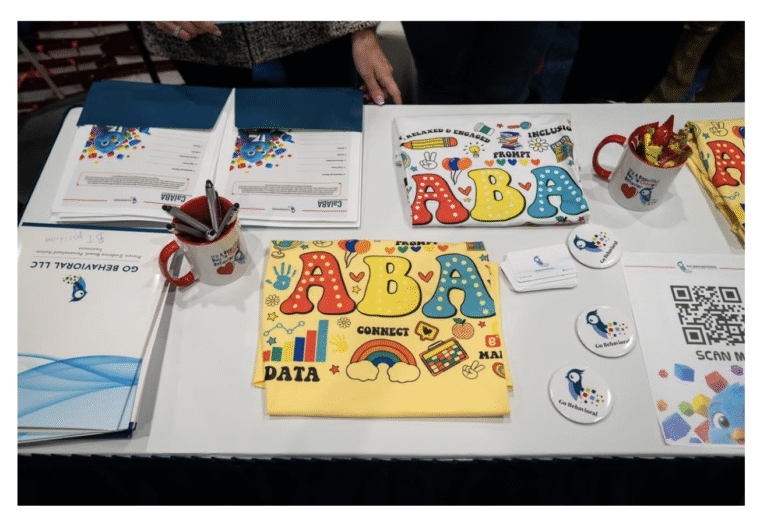
Early Intervention Therapy On Development
With an early intervention therapy, children are offered structured and repeated opportunities to gain developmental skills with the guidance of qualified profissionals. Depending on each child’s individual needs, services may be ABA-based interventions, communication assistance, parent coaching, and activities that are based around encouraging engagement in daily routines.
The support offered should be personalized, pragmatic and reviewed frequently. A child teaching him- or herself how to ask for help might practice with words, gestures, pictures, or any other format during play and everyday tasks. The approach should take into account how the child learns and communicates.
Some early intervention activities might assist children in reaching goals such as:
- Following simple instructions.
- Communicating wants and needs.
- Participating in interactive play.
- Responding to familiar routines.
- Practicing transitions between activities.
- Gaining more independence with the help of daily activities.
- Interacting with family and friends.
- Skills you can use in different places.
Parents should question a therapy program on how it selects goals, measures progress and gauges when a child might require an alternative set of strategies.
The Role of an Early Intervention Specialist
An early intervention specialist assists in discovering developmental priorities and provides support on children to help them work towards developmentally appropriate learning targets. Specialists assess a child’s skills, work with caregivers to make recommendations, and communicate with other professionals as needed based on their training and educational background.
The expertise of a seasoned professional can give families a clearer context for what their child may require and how to foster progress. Parents must make sure that they seek someone whose communication is pretty simple and clear, reminding them of family priorities, while recommending work with explanations in a language parents understand.
There are a couple of things you could ask when selecting your specialist:
- Why do you have experience working with young kids?
- An assessment is about evaluating the strengths and support needs of my child?
- How are individualized goals developed?
- How is progress measured, and how will it be communicated to the family?
- Will you work with others when the time is right?
- When will the support plan be reviewed?
It never hurts to ask for clear answers, as families can better judge if a provider’s approach is a good match for their child’s needs.
Learning Through Everyday Play
Many mundane family routines provide children with practice in mastering a new skill. Natural opportunities for communication, independence and co-operation can be encouraged during activities such as playing with toys, sharing a snack, getting dressed or preparing to leave the home.
Parents can aid a child’s learning by breaking down the process to allow for small successes, using direct language in play + other situations, offering children opportunities to make simple choices, and acknowledging their efforts. Providing choice allowing a child to choose between two options can facilitate communication and engagement, as well as ease the understanding of the routine.
Activities should be flexible and enjoyable, but consistency matters. Families can tailor strategies to fit their child’s interests, skills and readiness instead of trying to get them all running through each activity the same way and expecting equally good results from each one.

Connecting Home and School
As children develop, they may require assistance in transferring skills to new settings. Talking with families, educators and other professionals can help communities define priority areas in young children and identify promising practices tailored to foster greater classroom engagement for young children.
The support can range from visual schedules, structured routines, predictability, structured choice making and opportunities to practice social interactions depending on the child circumstance. Adults can also identify improvements by regularly communicating with others and help identify instances where additional help may be warranted.
Choosing the Right Support for Your Child
It is important to consider professional credentials, personalized planning, family participation and the process by which progress is measured when choosing a provider. Parents can be comfortable to ask any questions or discuss about their concerns before choosing what services might be suitable for them.
Go Behavioral provides ABA services, including intensive early intervention, autism therapy, parent skills training, social skills groups and school-age intervention. Families may talk to the provider if they would like, as it can offer more information about options that are available for their child and guide them on further steps.
Stepping Into Movement toward Actual Movement
In order to support a child this starts with supporting a child with who they are as every child is an individual, and each has different strengths, needs and learning preferences. Autism intervention and services. Early intervention autism services are designed to promote communication, participation, and independence in children with ASD.
Individualized early intervention therapy can help families explore functional means of encouraging communication with the child through simple strategies. Guidance from an early intervention specialist can also provide parents with access to helpful tools
Children can likewise enjoy valuable opportunities to use their newly acquired capabilities in real-time and engage more readily in day-to-day living with careful planning, effective professional assistance and family involvement. The highest form is an approach that recognizes the child as a person and changes with their individual needs.
