
Hand-Me-Downs That Last: Which Baby Romper Styles Survive a Second Child, Including the Baby Boy One Piece Romper
Some baby clothes look almost new after months of use, while others show wear after only a few washes. When a second child arrives, parents often wonder which pieces are worth keeping and whether a favourite outfit can be passed down safely. The answer depends on more than appearance: closures, seams, fabric condition, fit, and how clothing was stored all matter.
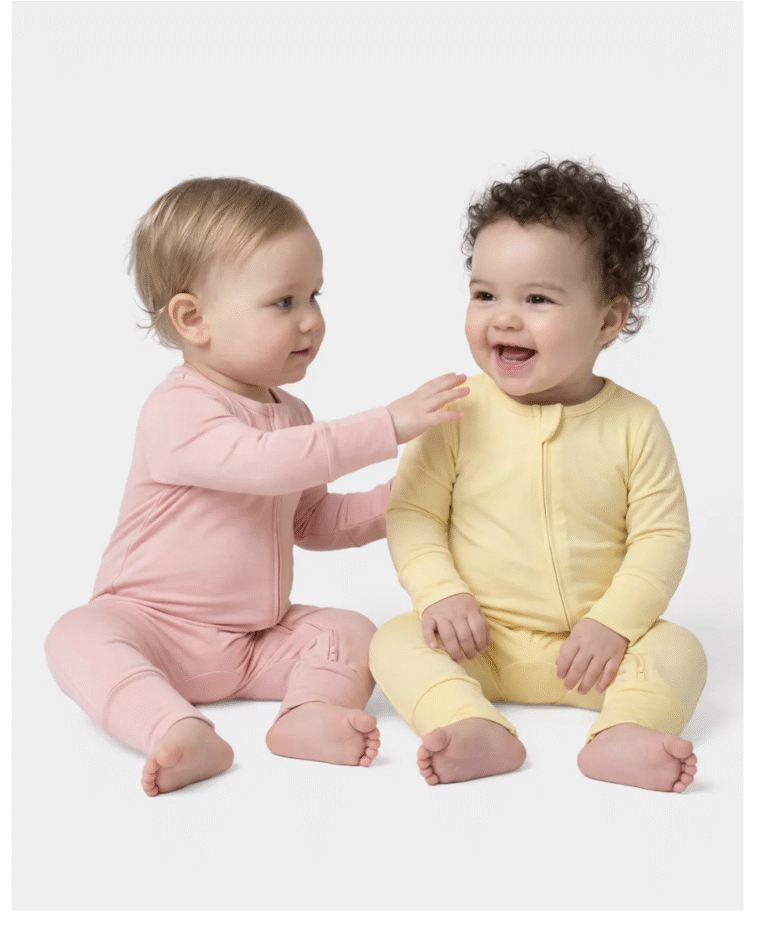
Before passing a baby romper to a younger sibling, check its seams, neckline, and fasteners after washing. If it came from PatPat, the original care label and size information can help with cleaning and fit. Judge the garment’s present condition before adding it to the next child’s wardrobe.
What Wears Out First
Snaps and closures
Closures receive frequent handling during diaper changes and dressing. Snaps may loosen, separate from the fabric, become difficult to fasten, or develop sharp edges if damaged. Zippers can also catch, split, or lose teeth. Test every fastening gently before putting an older garment on a baby.
Avoid using clothing with loose parts, sharp edges, or damaged fasteners that could create a safety concern.
Seams and hems
Seams around the crotch, shoulders, sleeves, and leg openings experience repeated pulling. Crawling, kicking, and lifting a baby in and out of an outfit can gradually loosen stitching. Turn the garment inside out and look for open seams, dangling threads, or small holes that may grow with use.
Hems deserve attention too. A stretched sleeve edge or unravelled leg opening can make an outfit uncomfortable and less durable.
Pilling and fading
Pilling appears as small fibre balls on the surface, often where fabric rubs against itself or other clothing.
Inspect high-friction areas such as the seat, knees, cuffs, and underarms. A garment that looks fine when folded may show considerable wear when stretched gently. Do not rely on colour or softness alone; check the fabric’s strength and overall condition.
Checking a Baby Romper for Durability
Metal versus plastic snaps
A baby romper with metal snaps may survive repeated use, but the material alone does not guarantee durability. The quality of the snap, how securely it is attached, and the strength of the surrounding fabric all matter. Plastic snaps can also last well when properly made and used according to care instructions.
Test each closure without forcing it. It should fasten and release smoothly, remain firmly attached, and have no cracks, corrosion, sharp edges, or loose backing. If a snap pulls away from the fabric, do not simply keep using the garment because the rest looks good. Repair it securely or retire the outfit.
Stitching density
Look for even stitching with consistent spacing and no skipped sections. Dense stitching can help hold fabric together, but more stitches do not automatically mean better construction. Thread quality, seam placement, fabric strength, and finishing all contribute to how well a garment holds up.
Gently stretch the seam areas and see whether gaps appear between stitches. Pay particular attention to the crotch and shoulder seams, where movement creates repeated tension. Loose threads should be assessed rather than pulled, since pulling may unravel more of the seam.
Fabric weight
Fabric should feel substantial enough for its intended use without becoming stiff or uncomfortable. Very thin material may wear through sooner in high-friction areas, while heavier fabric can be durable but less suitable for warm weather or layering.
Check for thinning by holding the garment up to light and comparing areas that receive different amounts of wear. Look for weak patches, stretched fibres, and holes. Follow the care label because excessive heat, harsh detergents, and unsuitable drying methods can shorten a garment’s useful life.
Durable Picks: The Baby Boy One Piece Romper
Heavier cotton
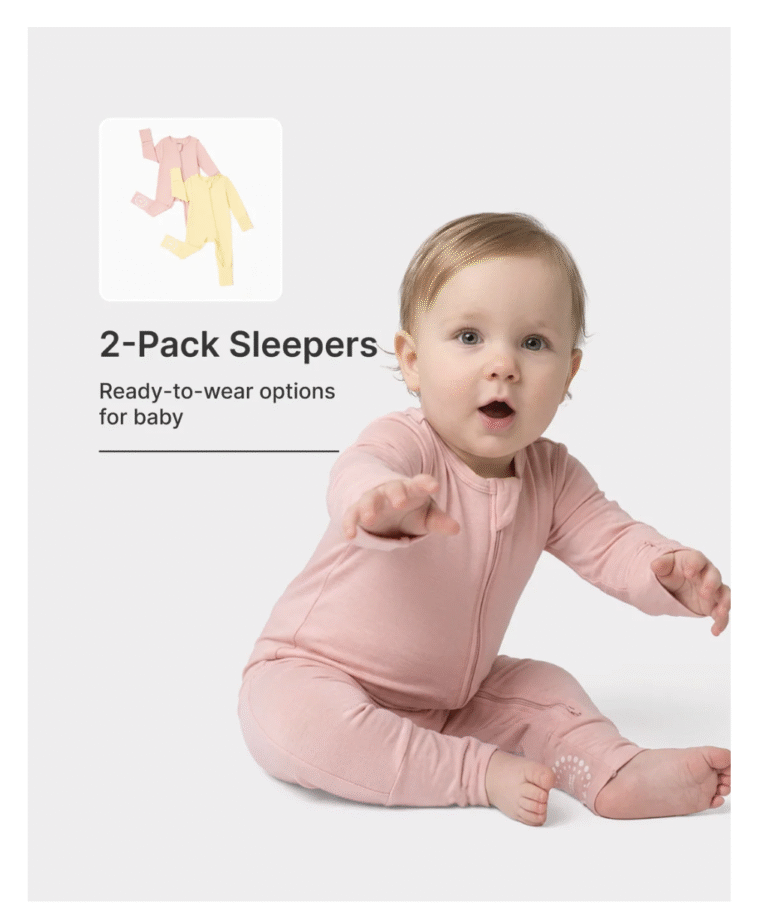
A baby boy one piece romper in heavier cotton may hold its shape through repeated washes, provided the fabric and construction are good. The best choice is not necessarily the thickest option: a comfortable, well-finished fabric that suits the season is more useful than a heavy garment that a baby quickly outgrows or overheats in.
Check the care label and inspect the garment after washing. Cotton can shrink or change texture when exposed to unsuitable heat, so follow the manufacturer’s instructions. A balanced fabric weight, secure seams, and closures that remain firmly attached are more meaningful signs of long-term usefulness than thickness alone.
Simple designs
Simple designs can make hand-me-downs easier to reuse. Fewer decorative pieces mean fewer embellishments that might loosen, peel, or become damaged. Plain patterns can also suit different occasions and be paired with layers already in a family’s wardrobe.
Avoid garments with loose decorative parts or damaged details that could detach.
Neutral colors for any sibling
Neutral shades can be easier to share, but colour should never decide whether clothing is reusable. Choose prints and tones that both children enjoy, then judge the garment by fit, cleanliness, and condition.
Storing Clothes Between Kids
Washing and drying fully
Before storing clothes, wash them according to their care labels and make sure they are completely dry. Even slight dampness can lead to musty smells or mildew during storage. Check cuffs, waistbands, and thick seams because these areas may take longer to dry.
Treat stains before packing garments away, but avoid harsh products that may weaken fibres or leave residues. Do not store clothing with food, lotion, or diaper stains still present. Once clean and dry, fold items neatly without stretching closures or elastic.
Breathable storage bins
Store clean clothing in a dry cupboard or breathable container, away from damp walls, pests, and direct sunlight. Avoid storing items in a basement or other place where moisture regularly collects.
Vacuum bags may save space, but they are not always ideal for every fabric or long-term storage situation. Compression can crease clothing and may not be appropriate for delicate trims or garments that need to retain their shape. Follow care recommendations and check stored clothes periodically.
Labeling by size and season
Add a short note if a garment runs small, needs a repair, or belongs to a particular season. Clear labels prevent families from unpacking unsuitable items when they need clothing quickly.
Sort clothing by size, season, and type before storing it. Labels such as newborn, three to six months, or winter layers make it easier to find suitable pieces later. Keep similar one-piece outfits together and separate items that need repair from garments ready to wear.
When to Let Go
Stains that won’t lift
Check stains in good light after washing and drying. If a mark has changed the texture, weakened the fabric, or carries a persistent smell, do not pass the garment on.
Some stains remain after careful washing. If a garment is clean, structurally sound, and free from irritating residue, a small cosmetic mark may not prevent reuse. However, persistent stains accompanied by odour, mould, or fabric damage are reasons to discard the item rather than pass it on.
Stretched necklines
Compare the neckline with the garment’s original shape if you remember it, and check whether the opening sits securely without pressing against the baby’s neck. A loose opening can make the outfit less practical.
A stretched neckline may slip out of place or make dressing less secure. Check whether the fabric returns to shape and whether the opening still sits comfortably. If the neckline is badly distorted, frayed, or has loose stitching, the garment may no longer be suitable for a baby.
Donating and recycling
When donating, make sure every item is clean, dry, and complete. Do not include garments with broken closures, loose decorations, or damage that could make them uncomfortable or unsafe for another child.
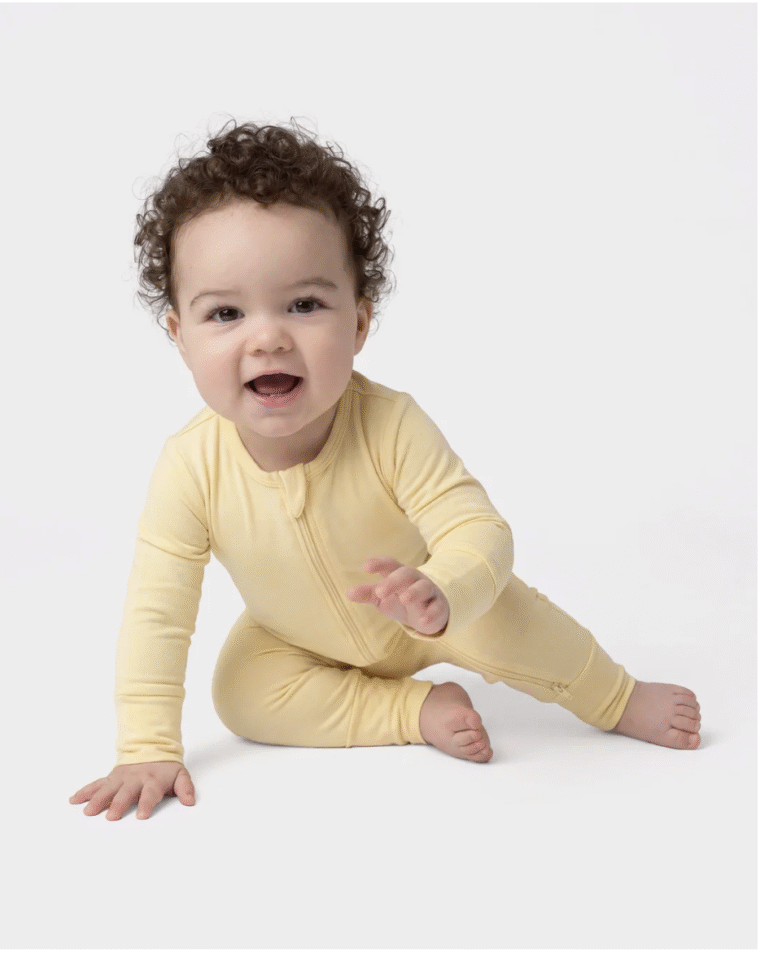
Clothes in good condition can often be passed to relatives, community groups, or local charities, depending on their acceptance rules. Wash and fold donated items, disclose any minor flaws, and include only garments that are safe and wearable. Separate damaged textiles from reusable clothing.
If an item is too worn to donate, look for textile recycling options available in the area.
FAQ
Plastic or metal snaps?
Neither material guarantees a longer lifespan. A well-attached snap of either type can work reliably. Check for secure attachment, smooth operation, cracks, corrosion, and damage to the fabric around it.
Are vacuum storage bags suitable?
They can save space, but they may not suit every garment or long storage period. Make sure clothing is completely dry, follow fabric-care guidance, and inspect items before reuse. Breathable storage may be preferable for delicate pieces.
Can girls wear a brother’s rompers?
Yes. Clothing does not need to be restricted by a sibling’s gender. Choose based on size, comfort, weather, and condition.
Check Again Before Passing Clothes On
Wash and dry garments fully before storage, label them by size and season, and keep them in a clean, dry place. When the next child is ready to wear them, inspect everything again rather than relying on how the outfit looked when packed away.
A durable hand-me-down is not simply an item that has lasted a long time. It is clothing that remains clean, comfortable, correctly fitting, and safe for another child. Keep the pieces that meet those standards, repair only damage that can be fixed securely, and donate or recycle the rest responsibly.
