
How to Build a Realistic Car Repair Budget Before Problems Arise
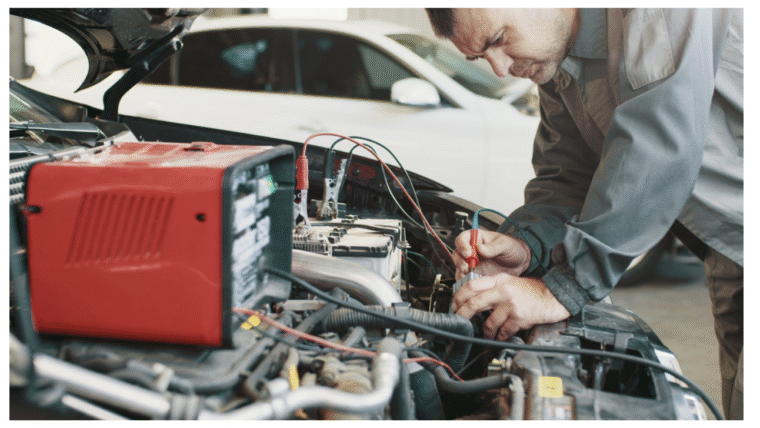
Owning a car brings freedom and convenience, yet every vehicle eventually requires mechanical attention. Waiting until a warning light illuminates on your dashboard often forces you into stressful financial compromises, high-interest credit card debt, or delayed safety repairs. Establishing a dedicated car repair budget before any mechanical trouble begins is the smartest way to protect both your wallet and your peace of mind. By planning ahead, setting realistic monthly savings targets, and understanding which wear-and-tear components demand early intervention, you can transform sudden automotive emergencies into manageable, routine expenses.
Why Proactive Auto Savings Matter More Than Ever
Drivers today are holding onto their cars much longer than in previous decades, which naturally increases the likelihood of mechanical wear. According to Car and Driver, the typical car traveling on American roadways has reached an average age of 12.6 years. Once a vehicle passes the ten-year mark, factory warranties have long expired, and rubber seals, suspension bushings, and electronic sensors begin reaching the end of their natural service lives.
Building a proactive repair budget ensures you have liquid cash ready when high-mileage components wear out. Instead of scrambling to cover a $1,200 alternator or suspension overhaul out of a single paycheck, a dedicated sinking fund absorbs the financial shock smoothly.
Calculating Your Monthly Repair Target
A realistic car repair budget relies on your vehicle’s age, mileage, and annual driving habits rather than guesswork. Start by separating routine maintenance—such as oil changes, tire rotations, and wiper blades—from unexpected mechanical repairs. For vehicles under five years old, setting aside $50 to $75 per month builds a solid cushion while factory warranties still cover most major systems. Once a car reaches five to ten years of age, increasing your contribution to $100 or $125 per month prepares you for mid-life replacements like brake pads, batteries, and suspension struts.
For vehicles that have passed the ten-year mark, aiming for $150 or more each month provides essential protection against larger drivetrain, cooling system, or electrical failures. Keep these funds in a separate high-yield savings account so you’re never tempted to spend the money on everyday discretionary purchases.
Addressing Early Warning Signs Before Costs Escalate
One of the best ways to stretch your car repair budget is to fix minor symptoms before they trigger cascading mechanical failures. Ignoring unusual noises, fluid leaks, or changes in ride quality almost always multiplies the final repair bill.
For example, feeling a rhythmic shudder beneath the floorboards while accelerating is an early clue that drivetrain hardware is wearing down. According to CarsDirect, universal joints (U-joints), carrier bearings, and couplers represent three primary culprits behind annoying vehicle vibrations. Replacing a worn U-joint or coupler early is relatively affordable, whereas driving on it until it snaps can destroy your driveshaft or transmission housing.
Never Delay Critical Safety and Structural Repairs
When money feels tight, it’s tempting to postpone cosmetic or minor exterior fixes, yet certain exterior components play a vital role in protecting cabin occupants. Even a small rock chip in your line of sight can spread rapidly across the glass during extreme temperature swings.
According to Auto Glass Repair, roughly 30% of a car’s structural integrity comes from its windshield, meaning any damage to the glass directly compromises your safety. During a rollover crash or front-end collision, an intact windshield prevents the roof from caving in and ensures passenger airbags deploy properly against the glass. Allocating part of your budget to immediate glass repair prevents a $60 resin fill from turning into a $500 full replacement.
Reviewing and Adjusting Your Fund Annually
Your automotive needs evolve every year, so your financial plan should adapt alongside your odometer. Each year during your vehicle registration renewal, review your past twelve months of service receipts and evaluate your current balance. If your fund grew untouched, keep contributing until you reach a comfortable ceiling—typically $2,000 to $3,000 for older daily drivers—and then redirect extra cash toward a future vehicle down payment.
Taking control of automotive expenses before breakdowns happen turns unpredictable repair bills into a calm, structured routine. By setting aside modest monthly contributions, keeping your savings in a dedicated account, and addressing early mechanical or glass damage promptly, you protect both your finances and your personal safety on the road. You don’t need a massive windfall to start; opening a separate savings transfer on your very next payday builds immediate momentum. With a solid budget in place, every mile ahead becomes less stressful, allowing you to focus on the journey rather than worrying about the next unexpected trip to the mechanic.
