
Is Your Landscape Planted for Last Decade’s Weather?
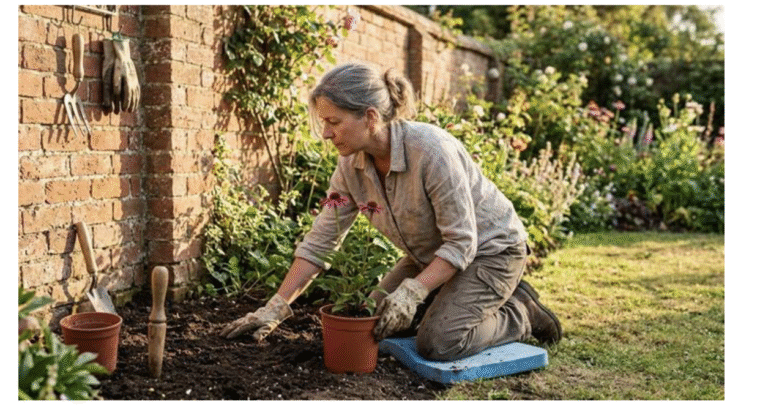
Understanding your yard’s unique conditions is the first step to a lasting landscape.
By a landscape design industry contributor. You followed the rules. You checked the tag on that beautiful perennial, saw it was rated for your zone, and planted it in the perfect spot. A season later, it’s gone. This is a frustratingly common story, and it often has less to do with your planting skill and more to do with a misunderstanding of what a hardiness zone map can, and cannot, do.
The map is an essential tool, but it is a macro view of average winter lows. It cannot account for the unique conditions of your specific property. A low spot that collects cold air, a south-facing wall that bakes in the sun, or a windy corner can all create microclimates that behave like a completely different zone. Understanding the nuances of the local denver hardiness zone is the first step, but it’s not the last. The official USDA Plant Hardiness Zone Map is based on weather data collected over a 30-year period, specifically from 1991 to 2020, according to the U.S. Department of Agriculture, Agricultural Research Service. This provides a robust baseline, but it’s a picture of the past, not a guarantee for the future.
Relying solely on that single number is one of the most frequent and costly mistakes a homeowner can make. The financial loss from replacing dead plants season after season adds up quickly. More importantly, it costs you time and the satisfaction of seeing your landscape mature as you envisioned.
Quick answer: Your property is not one single planting zone; it is a collection of unique microclimates. Relying only on the official USDA zone number is a common mistake that leads to dead plants and wasted money. Success comes from observing your specific site’s sun, shade, wind, and water patterns.
What’s inside
- Why the Zone Number on a Plant Tag Is Only a Starting Point
- How Can You Tell if a Planting Plan Is Built to Last?
- Beyond the Zone: What Really Kills Plants Along the Front Range?
- Frequently Asked Questions About Colorado Planting Zones
Why the Zone Number on a Plant Tag Is Only a Starting Point
That number is an average of past weather, not a prediction of the specific conditions on your property. The official USDA Plant Hardiness Zone Map is a powerful guide, but it paints with a very broad brush. It tells you the average coldest winter temperature an area has experienced, which is critical for plant survival. However, it does not account for dozens of other variables that determine a plant’s success or failure.
The map’s data provides a long-term climate baseline, not a short-term forecast. The most recent version is based on temperature data collected over a 30-year period from 1991 to 2020, as documented by the USDA’s Agricultural Research Service. This long window smooths out anomalous years, creating a stable average. But it also means the map is, by definition, a look backward at a climate that has already changed. It cannot capture recent warming trends or the increasing frequency of extreme weather events.
This is why a single zone number for an entire city or county can be so misleading. A property in a low-lying area where cold air settles can be a full zone colder than a nearby property on a protected, south-facing slope. Urban areas often create “heat islands” that can significantly raise ambient temperatures compared to surrounding suburbs, effectively shifting the planting zone.
❝ Before you invest heavily in new plants, spend a full year observing your property. Note where the snow melts first in spring. See which areas get baked by the afternoon sun in July. Watch where the autumn wind scours the ground. This personal map is often more valuable than the official one.
Relying solely on the printed zone number is a gamble. It ignores the reality of your specific site, from soil drainage to sun exposure to reflective heat from a wall or driveway. Each of these factors can alter the real-world conditions a plant experiences, making the difference between a thriving landscape and a costly replacement project next spring.
How Can You Tell if a Planting Plan Is Built to Last?
A durable planting plan is based on a detailed site analysis, not just a generic zone number. It should read like a custom strategy for your specific property, addressing its unique challenges with sun, water, and soil. If a plan looks like it could be for any yard in the neighborhood, it probably is, and it will likely fail.
A thorough evaluation starts with a physical walk-through. A landscape professional should be mapping your yard’s specific conditions long before suggesting plants. This includes identifying microclimates, such as the hot, dry area next to a south-facing brick wall or the cool, damp spot where downspouts drain. They should also assess soil composition. Is it heavy clay that holds water or sandy loam that drains quickly? The plan must account for this, suggesting soil amendments or plants that thrive in the existing conditions.
Look for credentials that show a commitment to regional best practices. For example, some professionals participate in programs focused on water conservation and sustainable practices, which are critical in the West. Inquiring about involvement in initiatives like the Sustainable Landscape Management program from the Associated Landscape Contractors of Colorado can indicate a deeper understanding of local environmental needs.
To help you evaluate a proposed design, use these questions as a guide.
| Topic | A Good Question to Ask | What to Listen For |
| Site Analysis | How will you map my property’s unique microclimates? | A clear process for observing sun, shade, wind, and water patterns throughout the day. |
| Plant Selection | Why was this specific plant chosen over a similar alternative? | An answer based on soil type, water needs, and pest resistance, not just aesthetics. |
| Water Management | How does the irrigation plan minimize water waste? | Discussion of drip systems, smart controllers, hydrozoning, and appropriate sprinkler heads. |
| Long-Term Care | What maintenance will this design require in year one versus year five? | A realistic plan for pruning, mulching, and managing plant growth over time. |
A significant red flag is a designer who provides a plan without a detailed site visit or soil discussion. Another is a plant list filled with water-intensive species that ignore the realities of the local climate. A resilient landscape is a partnership between your vision and your property’s real-world conditions.
Beyond the Zone: What Really Kills Plants Along the Front Range?
The official hardiness zone only tells you about the average lowest winter temperature, but in Denver, that is rarely the main reason a plant fails. The Front Range climate has four other major stressors that are far more challenging for plants than the cold alone: intense high-altitude sun, low humidity, dramatic temperature swings, and winter desiccation.
First, the altitude is a significant factor. At over 5,000 feet, the thinner atmosphere filters less ultraviolet radiation. A plant that requires “full sun” in a lower-altitude, more humid climate may get scorched here. The intense sun, even on cold days, can damage leaves and bark, especially on newly planted trees and shrubs that are not yet established. This is why you might see tree trunks wrapped in winter, it is not for warmth, but to prevent sunscald on the bark.
Second, the semi-arid climate means chronically low humidity. This causes plants to lose water through their leaves much faster via a process called transpiration. A plant might need significantly more water here to stay healthy than it would in a more humid region, even at the same temperature. This is a primary reason why plants rated for the correct zone can fail to establish, slowly drying out over their first season.
❝ The biggest surprise for people new to planting on the Front Range is not the cold, it is the combination of sun and wind. A plant that thrived in partial shade back east might need protection from the intense afternoon sun here. And a winter without consistent snow cover can be tougher on plants than a colder, snowier one because the snow acts as a protective insulator.
Perhaps the most notorious challenge is the rapid temperature fluctuation. It is common to have a 60-degree day in February followed by a plunge into the single digits overnight. These “false springs” can trick plants into breaking dormancy too early, only to have their tender new growth killed by a subsequent hard freeze. This freeze-thaw cycle also affects the soil, causing it to expand and contract, which can heave shallow-rooted perennials and shrubs right out of the ground over the winter. A thick layer of mulch applied after the ground freezes can help moderate soil temperatures and prevent this.
Finally, dry winter winds can be lethal, especially for evergreens. When the ground is frozen solid, a plant’s roots cannot absorb water. If a warm, windy Chinook day arrives, the needles or leaves will lose moisture to the air that the plant cannot replace, causing them to dry out and die. This is why anti-desiccant sprays and proper winter watering are so critical here. A plant that is perfectly cold-hardy can still die of thirst in the middle of winter.
Frequently Asked Questions About Colorado Planting Zones
What planting zone is Denver, Colorado in? Most of Denver is now designated as USDA Zone 6a. This means the average lowest winter temperature is between -10 and -5 degrees Fahrenheit. However, remember this is an average; a specific location in a low-lying area might dip into Zone 5 temperatures, while a protected urban courtyard could function more like Zone 6b.
Is Denver zone 4 or 5? Older maps and planting guides may list Denver as Zone 5. The official 2023 USDA Plant Hardiness Zone Map updated many areas, including Denver, to reflect a warming trend based on 30 years of temperature data. While most of the city is now Zone 6, some colder suburbs or higher elevation areas can still experience Zone 5 conditions.
Is Colorado zone 7? While most of Colorado is much colder, some parts of the state do reach Zone 7a. These warmer pockets are typically found in the far southern plains and the “banana belt” areas like Grand Junction or Cañon City. The state’s diverse topography creates a huge range of climates, from frigid Zone 3 in the high mountains to these milder Zone 7 areas.
Is it too early to plant in Denver? This depends entirely on what you are planting. For hardy trees, shrubs, and many perennials, planting in early spring or fall is ideal. For tender annuals and vegetables, the key date is not the zone but the average last frost date, which is typically around mid-May for the Denver area. Planting frost-sensitive species before then is a significant gamble due to unpredictable late-season snowstorms.
What is the difference between Zone 6a and 6b? Each numbered zone is divided into two 5-degree sub-zones, “a” and “b”. Zone 6a has an average minimum winter temperature of -10 to -5 degrees F. Zone 6b is slightly warmer, with an average minimum of -5 to 0 degrees F. This small difference can be critical for the survival of “borderline” hardy plants, such as certain varieties of crape myrtle or rosemary, that might survive in 6b but fail in 6a.
The Bottom Line: Your Yard Has Its Own Climate
Relying on a hardiness zone number alone is like navigating a city with only a compass. It points you in the right direction but tells you nothing about the actual streets, traffic, or terrain you will encounter on your property. Your landscape’s success depends less on that single number and more on a detailed understanding of your specific site. The intense sun, dry winds, and wild temperature swings of the Front Range are the true tests for any plant.
The most resilient landscapes are not built from a catalog of zone-appropriate plants. They are designed from a deep reading of the land itself. Where does the snow linger in spring? Which corner gets blasted by the afternoon sun? Where does water pool after a storm? Answering these questions provides a far more accurate and useful map for planting than any official chart.
Ultimately, the goal is to create a landscape that is in conversation with its environment, not in a constant battle against it. When you shift your focus from a generic zone to your property’s unique microclimate, you move from gambling on plant survival to making a strategic investment in a thriving, sustainable outdoor space. This approach is what allows a landscape to endure and flourish in Colorado’s challenging, but rewarding, climate.
About the author
Lifescape Colorado is a landscape design, construction, and property care firm based in Denver. Since 1976, the company has focused on creating custom outdoor living spaces for residential properties along the Front Range. Its teams of landscape architects, designers, and horticulturalists specialize in developing plans that address Colorado’s unique climate challenges, with an emphasis on sustainable practices like xeriscaping and water-wise irrigation. They manage projects from initial design and construction through long-term maintenance.
