
Creating a Tech Startup at Home Without a Co-Founder or Office
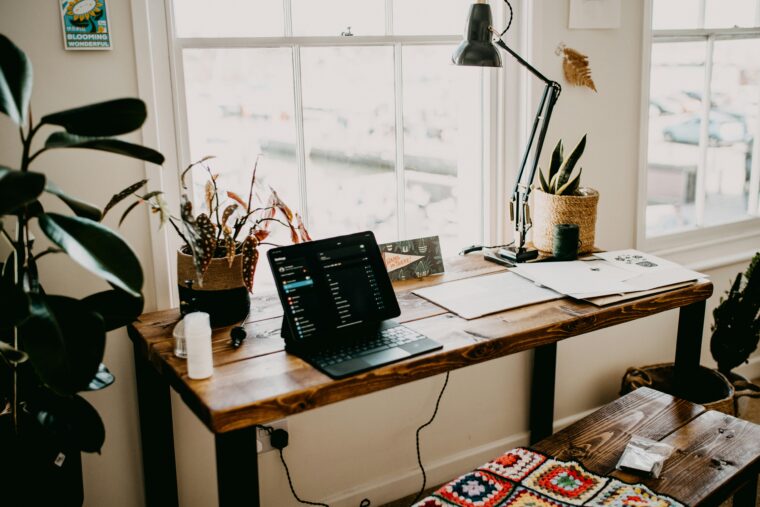
Starting a tech startup from home without a co-founder or physical office may seem daunting, but it’s more achievable in today’s digital age. With the right mindset, tools, and strategic planning, solo entrepreneurs can successfully build and scale innovative tech businesses from living rooms or home offices.
Advances in remote work technology, access to global talent, and cloud-based platforms have leveled the playing field for independent founders. While going solo requires extra resilience and resourcefulness, it also offers unmatched creative control and flexibility.
In this article, we will provide tips and tricks to help you launch and grow your home-based tech startup.
Clarify Your Vision and Validate the Idea Solo
Clarifying your vision means crafting a compelling mission statement, realistic short- and long-term goals, and identifying your ideal customer profile.
A survey by Statista found that in 2022 nearly 60% of small businesses identified increasing sales as their top marketing goal. Also, 15.5% of respondents prioritized lead generation as their primary objective. That’s why a well-defined vision acts as a guiding compass for all your decisions and helps attract the right users and investors.
To validate the idea solo, research market demand, analyze competitors, and gather feedback through surveys or MVP testing. This ensures your concept solves a real problem and has potential, even without input from a co-founder or team.
Master the Art of Wearing Multiple Hats
Running a solo tech startup means handling roles like developer, marketer, and customer support all at once. This requires learning diverse skills, use of automation tools, and staying organized.
According to Forbes, out of 33.3 million small businesses in the US, 27.1 million are run exclusively by their owners. Most small businesses operate without employees, yet 80% of these businesses account for 45.9% of the entire US workforce. These sole proprietors embrace multiple roles which build adaptability and boost problem-solving abilities.
These qualities give founders deeper insight into their business, which leads to smarter decisions and growth.
Boost Your Startup’s Visibility with Smart Offline Moves
Your startup’s visibility can be enhanced with smart offline moves by leveraging in-person interactions to build brand awareness and trust. The Farm Soho suggests renting an event space in a high-traffic area for a product launch, workshop, or demo day. These event spaces are flexible and can create buzz and attract potential users or investors easily.
Let’s consider the example of New York City. According to Investopedia, New York is the third largest economy in the US with a GDP of $1.78 trillion. New York City is the nation’s largest urban economy and a hub for startups and networking, which makes offline exposure highly valuable.
Choosing event spaces in NYC gives you access to diverse audiences, media, and talent. It will also help your startup stand out in a crowded, highly competitive tech ecosystem. Hosting community events or free tech talks also strengthens your local presence.
Can hosting a local event attract tech investors or media attention?
A local event can attract tech investors and media, especially if it showcases innovation or community impact. Investors often attend events to discover promising startups. Inviting local journalists or bloggers can lead to valuable coverage. A well-organized event boosts credibility and puts your brand on the radar.
Set Up an Efficient and Distraction-Free Home Workspace
Creating an efficient, distraction-free home workspace boosts focus and productivity. Choose a quiet area with good lighting, ergonomic furniture, and minimal clutter. Use productivity tools and set clear work hours to maintain discipline.
According to Founders Report around 87.7% of entrepreneurs struggle with at least one mental health problem in their life. These issues include anxiety, high stress, financial worries, burnout, Imposter syndrome, poor work-life balance, etc. A well-designed workspace can help solo founders stay motivated, organized, and mentally separated from household distractions leading to a better work-life balance.
How do I separate work and family life when working from the same space?
Establish clear work hours and communicate them with family members to set boundaries. Use a dedicated workspace, even a small corner, to mentally separate tasks. Take regular breaks and fully unplug after hours. These habits help maintain balance and prevent burnout while working from home.
Build a Network Without a Traditional Office or Team
Solo founders can still build a strong network by actively engaging in online communities and attending local meetups and virtual industry events. Social media platforms are great for connecting with peers, mentors, and potential collaborators.
Participating in forums, webinars, or hackathons also boosts visibility. Even without a traditional office or team, consistent networking helps you stay informed, gain feedback, and find opportunities. Being proactive and intentional with your outreach can lead to valuable relationships and credibility.
Scale Gradually with Freelancers and Microservices
Scaling gradually with freelancers and microservices lets you grow without heavy overhead costs, like equipment, insurance, and taxes.
According to ClearVoice, 60% of freelancers earn between $1 and $80 per hour. For example, if a freelance content writer charges $40.50 an hour and takes five hours to complete a 1,000-word article, the total cost is $324. In comparison, mid-level writers charging $0.26–$0.50 per word may bill around $380. It is still often cheaper than hiring a full-time employee with added long-term costs.
Hire specialists for tasks like design, promotional activities, or development as needed. Use cloud-based tools and APIs to expand functionality. Hiring freelancers keeps costs low, boosts agility, and helps solo founders adapt quickly to changing business demands.
How do I protect my startup’s intellectual property when working with freelancers?
Having freelancers sign a clear non-disclosure agreement (NDA) and a work-for-hire contract that transfers ownership of work to you. Use reputable platforms that offer legal safeguards. Always document project scope and expectations. These steps help secure your ideas and avoid future disputes.
Empowering Your Solo Tech Startup Journey
Launching a tech startup from home without a co-founder or office is challenging but entirely possible with the right strategies. By clarifying your vision, diverse roles, and creating a productive workspace, with online and offline resources, you can build a successful business independently. Stay adaptable and focused for lasting success.
Above all, trust your unique perspective and use it to shape a business that reflects both innovation and resilience.
