
Portable Monitors vs Traditional Monitors Which is Better for Business
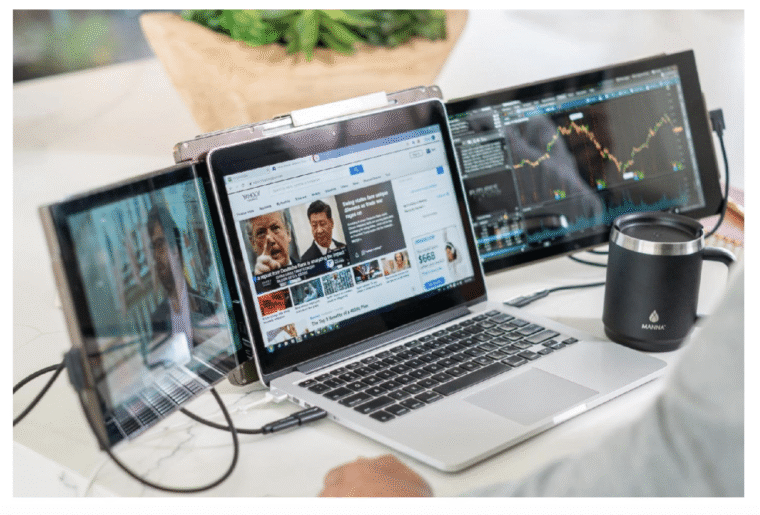
The modern professional landscape looks vastly different from it did a decade ago because work no longer happens at a single mahogany desk from nine to five. Many people now move between quiet home offices and bustling corporate headquarters throughout the week. Frequent travel keeps other professionals in hotel lobbies or busy transit hubs where space is often limited. This shift creates an urgent need for digital tools that move as fast as the people using them. Teams are increasingly adopting portable monitors for business use to maintain high output while on the move.
Limitations of Traditional Office Displays
Standard desktop monitors offer a sense of physical stability that many traditional roles still require. These screens stay in one permanent place once they are fully set up and connected. They depend on a heavy desk and a nearby power outlet to function throughout the workday. This rigidity works well for a dedicated cubicle but quickly becomes a hurdle for someone who needs to change scenery. Fixed monitors tie a worker to a chair for the duration of their shift.
Mobility in Modern Business Workflows
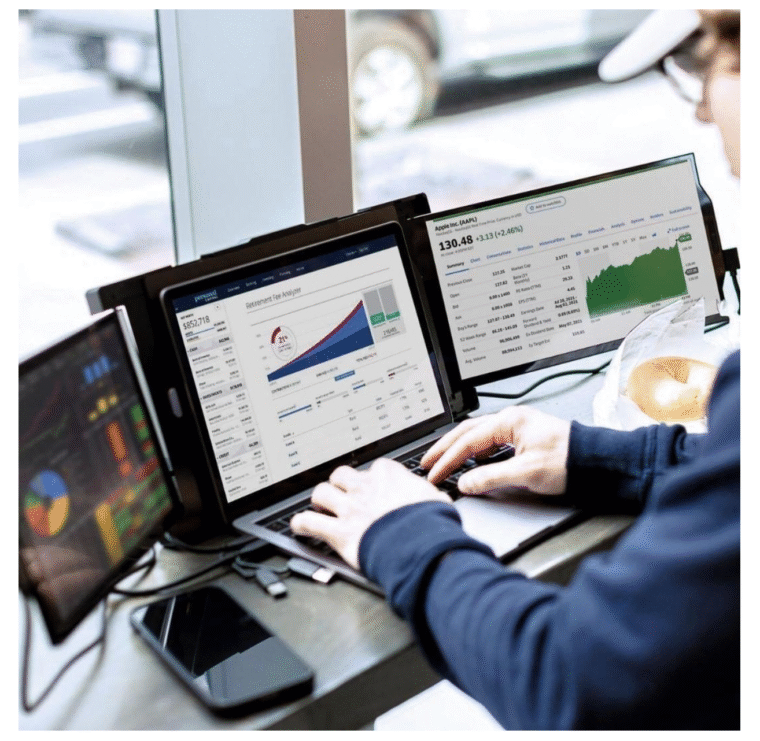
Consultants and sales teams often find themselves navigating entirely new environments daily. Remote professionals need a reliable way to stay productive even when working outside a standard office. When a small laptop screen feels too confined for sophisticated activities, productivity naturally declines. Special portable monitors for business, like the Mobile Pixels Trio laptop screen extender, are available to help you efficiently fill this gap without weighing down your bag. These thin gadgets provide the additional space required for complex work.
Consistency across Flexible Workdays
A single secondary screen can now follow a professional anywhere they choose to work. Using the same display in every place helps create a sense of familiarity that aids concentration. When they reach a new workplace, people spend much less time tweaking their windows. Long journeys across several time zones won’t compromise the cleanliness and order of workflows. With the correct equipment, the change from a kitchen table to a proper boardroom seems considerably more natural.
Daily Efficiency and Space Use
Conventional monitors excel in a regulated setting because they offer wide viewing areas for tasks that require a lot of data. Portable choices give a mobile agenda top priority by letting the user set up a dual screen array wherever. These contemporary methods emphasize workflow continuity over remaining fixed in one place. An expert on a train may open a complicated spreadsheet just as readily as they might in a peaceful library. Using portable monitors for business ensures that transit doesn’t squander any worthwhile time. In a few seconds, the little coffee shop tables turn into workstations.
Choosing the Right Business Device
The most appropriate option for every business is determined by its staff’s particular work style. People who never get up from their desks may find the big size of a screen with a heavy base rather appealing. Travelers who regularly use backpacks certainly require a lightweight replacement. Adaptability remains the most crucial trait for a startup in a competitive sector. For companies, purchasing portable monitors enables their staff members to grow their activities free of expensive new gear.
Conclusion
Flexibility in the tools needed by every user is essential for success in a worldwide economy.Even though fixed displays are very powerful, they don’t have the flexibility that modern jobs need. Mobile displays are perfect for people who appreciate agility because they offer the best balance of weight and power.This small change increases concentration and speed of results in any workplace. Choose the layout most suited to your personal growth as well as daily mobility.
