
Postpartum Body Changes and Recovery Tips
Key Takeaways:
- Understanding common postpartum body changes can help new mothers navigate recovery with confidence.
- Implementing practical self-care strategies supports both physical healing and emotional well-being.
- Seeking support from healthcare providers and loved ones is crucial during the postpartum period.
Welcoming a new baby is a joyous occasion, filled with emotional highs and new responsibilities. Alongside happiness and excitement, new mothers also experience a range of physical changes associated with childbirth. Understanding what to expect helps caregivers provide support and allows mothers to prioritize their well-being. For some women, considering options like mommy makeover surgery may be part of their long-term recovery plan, but immediate physical and emotional care is just as essential.
The postpartum period, known as the “fourth trimester,” is a time of profound transition. The body recovers from pregnancy and delivery, adapting again to hormonal shifts and the new demands of motherhood. New mothers benefit from practical strategies and supportive advice during this time to help ease the process and promote a healthy recovery. Recognizing these normal yet significant changes not only sets realistic expectations but also encourages self-compassion and patience. Understanding the science behind postpartum changes and how to actively support recovery can reduce uncertainty at a time when many women feel vulnerable. Effective recovery is not just about physical healing, but also tending to emotional needs. Support and self-care can make all the difference in helping mothers adjust to their new role and thrive during the postpartum period.
Common Postpartum Body Changes
Pregnancy and delivery lead to significant physical changes in the body, and understanding these common postpartum effects can help alleviate anxiety for new mothers. Common issues include vaginal soreness due to stitches, swelling, and bruising after vaginal delivery, particularly in cases of tearing or episiotomy. Breast engorgement occurs as milk production increases, resulting in full, swollen, and sensitive breasts, which typically resolve once breastfeeding is established. Hormonal fluctuations can impact mood, sleep, and skin, often resulting in mood swings, sadness, and temporary hair loss or breakouts. Lochia, the vaginal discharge of blood, mucus, and uterine tissue, may persist for several weeks as the uterus heals. Lastly, abdominal changes, such as stretched and loose skin and potential diastasis recti (a separation of abdominal muscles), may affect core strength and posture. Recognizing these changes as normal healing processes can empower new mothers to care for themselves with confidence and understanding.
Nutrition and Hydration
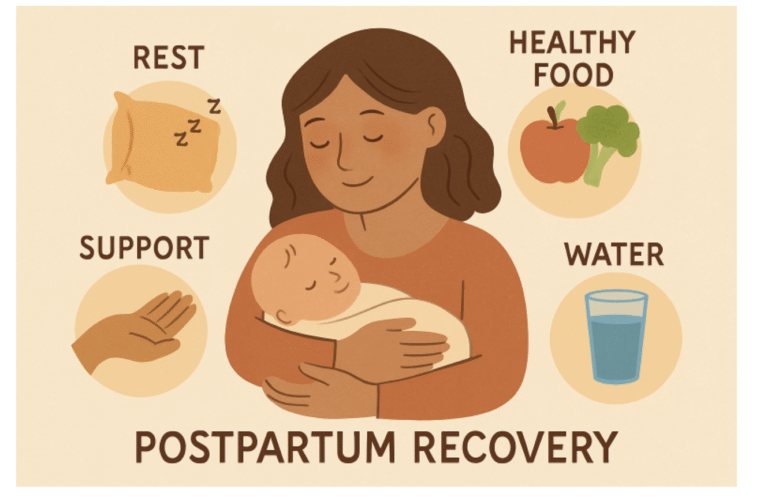
Nutritional needs are heightened after childbirth. The body requires a well-balanced diet rich in vitamins, minerals, complex carbohydrates, healthy fats, and lean proteins to support tissue repair and replenish lost energy. Iron and calcium are particularly important, especially for breastfeeding mothers. Consuming fruits, vegetables, whole grains, and lean meats or plant-based proteins supports recovery and ensures adequate nutrient intake.
Hydration is equally critical. Adequate fluid intake benefits circulation, skin health, and milk production for breastfeeding mothers. Drinking water regularly throughout the day, along with incorporating hydrating foods like fruits and soups, helps support overall healing.
Sensible choices and small, frequent meals often work better for mothers managing erratic schedules and fatigue. Relying on help for meal preparation can make a big difference, especially in the early weeks. According to the Mayo Clinic, focusing on a balanced postpartum diet can accelerate recovery and support ongoing health.
Rest and Sleep
Rest is one of the most vital aspects of postpartum healing, yet it can be one of the most challenging to achieve with a newborn at home. Sleep deprivation is common, so new mothers are encouraged to “sleep when the baby sleeps.” Napping during the day and accepting offers of help from trusted friends or family members can ease the fatigue that comes with caring for a baby.
Even brief periods of rest improve mood, energy, and resilience, helping mothers better manage the demands of parenthood. Structuring the day to include brief, regular periods of downtime is essential, as chronic sleep deprivation can increase the risk of postpartum depression and slow the healing process. The CDC provides helpful resources for managing postpartum recovery and sleep patterns.
Gentle Exercise
Movement is important for physical and mental health during the postpartum period, but activity should be approached with caution and only after a healthcare provider has given the green light. Gentle activities such as walking, stretching, or postnatal yoga can help restore circulation, reduce swelling, and boost endorphins. These exercises ease muscle tension and gradually rebuild core strength, supporting the health of the abdominal and pelvic floors.
Mothers should pay close attention to how their bodies feel and avoid pushing themselves too hard. Discomfort, pain, or heavy bleeding are signs to slow down and consult a healthcare provider. Progress is not measured by speed or intensity, but by gradual improvement in strength and comfort.
Emotional Well-being
The emotional impact of pregnancy, childbirth, and new parenthood cannot be underestimated. Hormonal changes, sleep deprivation, and changing routines contribute to fluctuating emotions. Openly discussing feelings with a partner, friend, or counselor can be a source of comfort and validation. Support groups, whether organized locally or online, can provide a sense of community and shared experience.
Postpartum depression and anxiety are medical conditions that affect many new mothers. Persistent sadness, anxiety, hopelessness, or withdrawal from loved ones warrant immediate attention from a healthcare professional. Early intervention makes recovery easier and more effective.
Seeking Professional Help
It is vital to contact a healthcare provider if a new mother experiences persistent high fever, heavy bleeding, severe pain, or intense emotional distress. Early medical intervention can prevent more serious complications, ensuring that recovery stays on track.
Family, friends, medical professionals, and community resources can all play a role in the healing process. Do not hesitate to ask for or accept support, whether for childcare, meals, or emotional reassurance.
Conclusion
Postpartum recovery is a unique journey for every mother. Attending to common physical changes with good nutrition, rest, gentle activity, and emotional support allows for a smoother transition into motherhood. Understanding when to seek professional help and embracing self-care strategies creates a foundation for a healthy recovery. As every mother’s story is different, patience, kindness, and support are key as families grow and thrive.
