
The Most Overlooked Problems Affecting Home Foundations
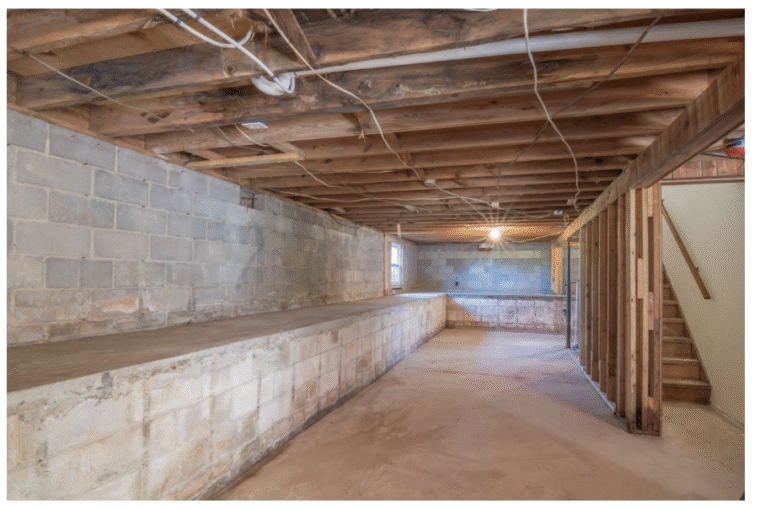
The crack beside the hallway doorway looked small enough to ignore. A slight gap appeared near the window frame while the floor nearby started feeling uneven in certain spots. Nothing dramatic happened overnight, though those this-house-does-not-feel-quite-right thoughts kept returning quietly every few weeks. In Florida, where heavy rain, shifting soil and constant moisture place pressure on residential properties year-round, foundation problems are often overlooked until the damage becomes impossible to dismiss.
That is what makes foundation issues so dangerous.
Most homeowners expect serious structural damage to appear suddenly through collapsing walls or large visible fractures. In reality, the earliest warning signs are usually subtle. Doors stop closing smoothly. Tiny cracks begin spreading slowly. Water collects repeatedly near the house after storms, while the actual structural stress continues building underneath.
Small issues are often treated like cosmetic inconveniences when they may actually signal deeper problems developing below the surface.
Once moisture and soil movement begin affecting a foundation, repairs can become far more expensive than homeowners originally expected.
Water Around The House Is Never A Small Problem
Water is one of the biggest threats to any home foundation because moisture changes how soil behaves underneath and around the structure.
When water keeps collecting near the home, pressure builds gradually beneath the foundation itself. Soil expands. Weak areas begin shifting. Tiny structural movements eventually become visible through cracks, uneven flooring and sticking doors.
That process usually happens quietly.
In many cases, homeowners begin looking into drainage solutions once puddling water and soggy areas keep returning after heavy rainfall. French drain systems are often used to help move excess water away from the property before moisture starts affecting the soil surrounding the foundation. Because proper installation plays a major role in long-term performance, it is wise to work with well-reviewed French drain contractors in Florida rather than attempting a complicated DIY solution. Experts can evaluate drainage patterns properly and recommend solutions that help reduce long-term moisture pressure around the home.
A simple example explains why drainage matters so much. A homeowner notices water pooling beside the patio after every heavy storm, though the puddles disappear by the next morning. Since the water never remains visible for very long, the issue seems harmless initially. Months later, small cracks begin spreading across interior walls because moisture has continued weakening the soil underneath that side of the property.
Foundation damage rarely begins with dramatic warning signs.
The most expensive problems often grow from repeated moisture exposure that seemed insignificant early on.
Tiny Cracks Often Tell Bigger Stories
Hairline cracks are commonly ignored because they appear minor and harmless at first glance. Some are cosmetic, though others point toward structural movement happening underneath the house itself.
The location of the crack matters greatly.
Cracks near doors, windows and ceiling corners often suggest shifting pressure throughout the structure. When multiple cracks begin appearing across different rooms or when existing cracks widen gradually, movement beneath the foundation may already be happening.
Many homeowners delay inspections because nothing feels urgent immediately.
That hesitation creates risk because structural movement rarely stops without intervention. Small cracks can eventually spread through drywall, tile flooring and exterior masonry once the foundation continues shifting beneath the home.
Several warning signs deserve close attention:
- Cracks spreading across interior walls
- Doors becoming harder to open or close
- Uneven flooring in certain rooms
- Gaps forming around windows or trim
- Water pooling repeatedly near exterior walls
These problems may appear unrelated at first, though patterns often emerge once foundation stress increases.
Trees And Soil Shifts Create Hidden Pressure
Trees improve curb appeal beautifully, though root systems and changing soil conditions can place serious pressure on residential foundations.
Roots naturally search for moisture beneath the ground.
Large trees planted too close to the home may absorb water unevenly from the surrounding soil, which changes stability beneath the foundation gradually. In certain situations, roots may also interfere with underground drainage systems that help protect the property from moisture buildup.
Soil movement creates additional problems.
During dry periods, soil may shrink beneath portions of the foundation while heavy rainfall causes expansion afterward. That repeated cycle places stress on the structure because the ground supporting the home keeps shifting beneath changing moisture conditions.
Foundation problems rarely develop because of one major event alone. Smaller environmental pressures usually combine gradually until visible structural symptoms finally appear indoors.
That is why surrounding conditions matter just as much as the foundation itself.
Delayed Repairs Quietly Increase The Damage
Foundation issues become far more expensive once warning signs are ignored repeatedly. Minor structural movement spreads gradually while moisture continues affecting larger sections of the property underneath the surface.
Delay almost always increases repair complexity.
A drainage issue affecting one side of the house today may eventually contribute to warped flooring, widening cracks and other major home repairs, if corrective action keeps getting postponed. What begins as a manageable problem can eventually affect multiple structural systems throughout the property.
Preventive maintenance matters greatly with foundations because early intervention usually creates far less disruption than large-scale structural repair work later.
Structural issues rarely improve naturally without addressing the cause behind them.
Homes perform best when early warning signs receive attention before pressure spreads further throughout the property.
The Small Warning Signs Matter Most
Most foundation problems begin quietly. Tiny cracks appear gradually while moisture collects repeatedly near the same sections of the home. Floors shift slightly and doors stop aligning properly though the changes happen slowly enough to ignore at first.
That is exactly why these issues become dangerous.
The earliest warning signs usually provide the best opportunity to prevent larger structural damage later. Paying attention to drainage, soil conditions and repeated moisture problems helps homeowners reduce the risk of far more expensive repairs developing underneath the house.
Foundations depend heavily on stability. Water should move away from the property properly. Soil conditions should remain balanced when possible. Small structural changes should never be dismissed automatically simply because they appear manageable initially.
The strongest homes are not the ones without problems entirely.
They are the homes where small problems are taken seriously before they become structural emergencies impossible to ignore.
