
Why Window Screens Get So Dirty After Yellow Pollen Season
Window screens collect a lot of spring mess. Yellow pollen arrives in late spring. It covers everything outside. Screens catch the worst of it. The fine yellow dust sticks to the mesh fast. Rain does not wash it away. It makes a sticky paste. Then dirt and dust join in. Screens look filthy within days. Homeowners get frustrated. They clean once, and dirt returns. This happens because pollen is naturally sticky. It has oils and tiny hooks. These help it cling to plants.
Window screens trap yellow pollen naturally.
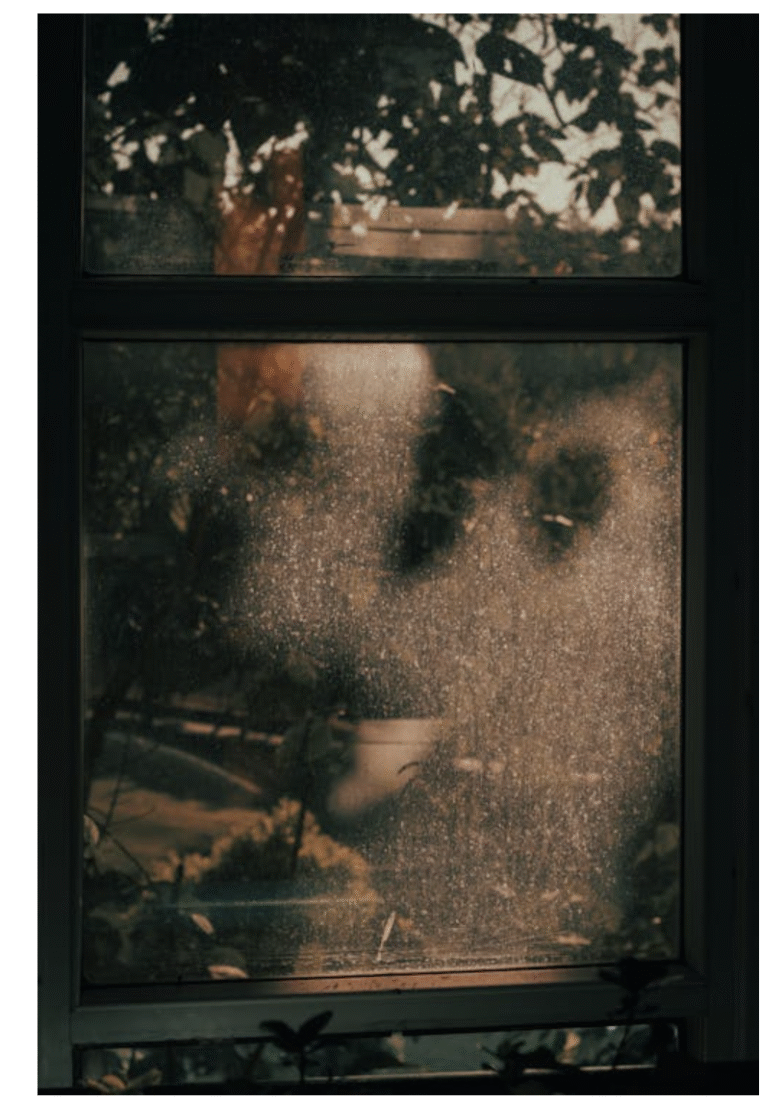
Screens are made of woven mesh. The mesh has tiny holes. Air goes through easily. Pollen grains are also tiny. They should pass through. But they do not. Static electricity makes them stick. Air moving through the screen creates static. Pollen has its own charge. Opposite charges pull together. Pollen sticks to mesh fibers right away. Then, more pollen joins the first layer.
Mesh buildup
Pollen is not dry dust. Each grain has an oily coating. This coating is called “pollen kit.” It is very sticky. It helps pollen attach to insects. It also helps it attach to screens. Water cannot dissolve this oil. Soap works better. When pollen lands on mesh, the oil spreads. It makes a thin film over the fibers. Dust sticks to that film easily. Sunlight bakes the mixture hard. The result is a yellow-brown crust.
Airflow restrictions
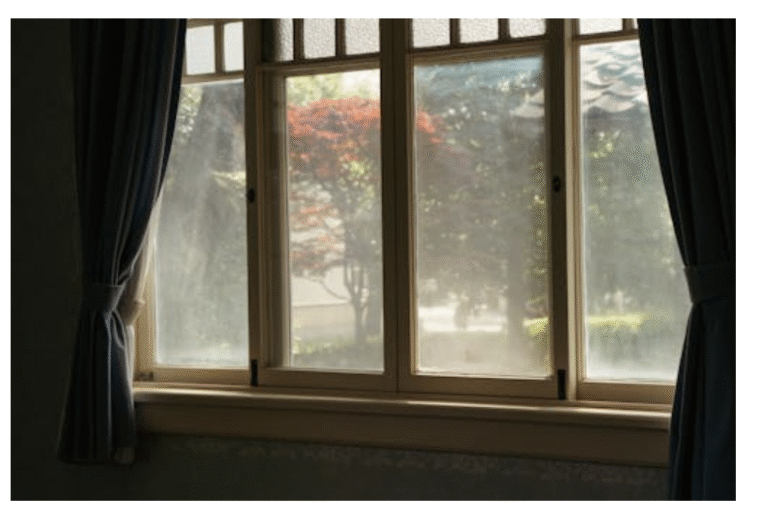
Airflow drops after only 30% of the mesh clogs. A clean screen lets 80% of wind through. A lightly dusted screen drops to 60%. A moderate layer drops to 40%. A heavy crust allows only 20% or less. Homeowners often do not notice at first. Rooms start to feel stuffy. Breezes disappear. Windows become useless for cooling. Warm May evenings make this worse. People open windows for fresh air. Dirty screens stop that fresh air. The home stays hot inside.
Seasonal debris accumulation during late spring.
Late spring brings more than just yellow pollen. Tree seeds, cottonwood fluff, and tiny seed hairs float through the air. They land on window screens and weave into the mesh. Grass clippings from mowing blow upward. That fine green dust sticks to wet pollen. Spider webs add another layer. Spiders build new webs every warm night. Those webs catch everything drifting by. Bird feathers and small insect wings add bulk. Construction dust from nearby sites joins the mess.
Some Homeowners Hire a Trusted window cleaner in Hampstead
Some screens are hard to reach. Second-story windows need ladders. Ladder work is dangerous. Wet screens are heavy. Carrying them down a ladder risks falls. A Trusted window cleaner in Hampstead has proper equipment. Extension poles and soft wash systems clean high screens safely. No ladder climbing for the homeowner. Professionals also have commercial cleaners. Those cleaners remove baked pollen fast. They use low-pressure and high-volume water.
Common Mistakes Make Pollen Buildup Worse
Bleach is a common mistake. People think bleach whitens screens. Bleach destroys fiberglass fibers. It turns aluminum dull gray. Pollen sticks to damaged surfaces faster. Never use bleach on screens. Another mistake is drying screens in the sun after washing. Wet pollen plus sun equals baking. Dry screens indoors instead. Lean them against a wall in the basement. A fan speeds up drying.
Conclusion
May schedules fill fast. A trusted window cleaner in Hampstead can do a full spring cleaning. Ask about screen removal and replacement service. Some cleaners offer that. Finally, tell neighbors about screen cleaning. Shared pollen affects everyone. Cleaner screens in the whole neighborhood mean less total pollen. Everyone breathes easier next spring.
