
Woven Dreams: How the Right Fabrics Shape Your Bedroom’s Vibe
 Image credit: Bedstar
Your bedroom’s comfort depends on far more than just a good mattress. In fact, the fabrics you choose—from the curtains and rugs to cushions and luxury bedding—dramatically influence the entire atmosphere of your space.
Textiles play a pivotal role in both interior design and functionality. They aren’t just visual elements that make a room look pretty; they serve practical purposes that affect how you rest. Whether you are upgrading styling options for modern beds, selecting new sheets, or choosing statement headboards, thoughtful material choices can transform a standard bedroom into a true sanctuary.
This guide breaks down how textiles influence sleep quality, the functional benefits they offer, and how to style your perfect space using smart fabric selections.
The Sensory Impact of Bedroom Fabrics
Fabrics engage multiple senses at once, creating an experience that goes way beyond visual aesthetics. How textiles look, feel, and function directly impacts your immediate comfort and long-term sleep quality.
Visual Appeal and Pattern Selection
Patterns behave differently in the bedroom compared to the rest of the house. Because they cover larger surfaces like you’re bedding and pillows, designs need careful consideration to avoid visual fatigue.
To create a balanced look, consider these styling tips:
- Go for subtle designs: Directional patterns, soft florals, and subtle geometric designs work best when layered across sheets, pillowcases, and throws.
- Use small-scale prints: Delicate florals or subtle stripes add depth and dimension while serving as a neutral base for layering extra textures.
- Find a common thread: When mixing different patterns, ensure there is a clear contrast but a linking element. For example, striped cushions pair beautifully with floral bedding as long as they share a consistent colour palette.
Tactile Comfort and Touch
The bottom sheet is in contact with your skin longer than anything else, making its texture incredibly important to the overall comfort of our beds.
Research shows that our familiarity with fabrics and how often we handle them shapes our tactile preferences. When it comes to sheet comfort, surface characteristics are everything. Studies indicate that materials with micro-surface smoothness and high elasticity get the highest comfort ratings. Cotton-bamboo blends and cotton-lyocell combinations consistently come out on top, offering smoother surfaces and better recovery characteristics for premium bedding.
How Fabrics Influence Sleep Quality
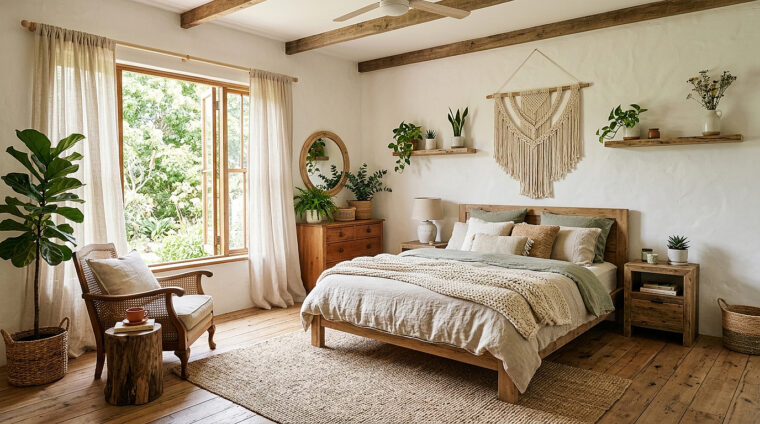
Image credit: Bedstar
While high-quality mattresses provide the essential structural support for your spine, the texture of your sheets and duvets dictates your sleep climate. Research published in the Journal of Sleep Research confirms that fibre type measurably affects how well you sleep, specifically impacting temperature regulation and overnight awakenings.
Fabric Performance in the Bedroom:
- Linen sheets: Significantly improve sleep quality in warm conditions, resulting in fewer nighttime awakenings and less time spent in light-stage sleep.
- Wool sleepwear: Helps adults fall asleep faster in cool conditions, and benefits older adults in warmer environments.
- Goose down duvets: Proven to increase deep, slow-wave sleep in cooler bedrooms.
Ultimately, natural fibres consistently outperform synthetic options. They breathe better, manage moisture efficiently, and sync with your body’s natural temperature cycle.
Weave type matters equally. Percale features a crisp, one-over-one weave that feels cool and airy, while sateen uses a denser four-over-one weave for a smoother, weightier, and warmer feel. It’s no surprise that roughly 36% of people believe upgrading their bedding directly contributes to a better night’s rest.
Functional Benefits of Bedroom Textiles
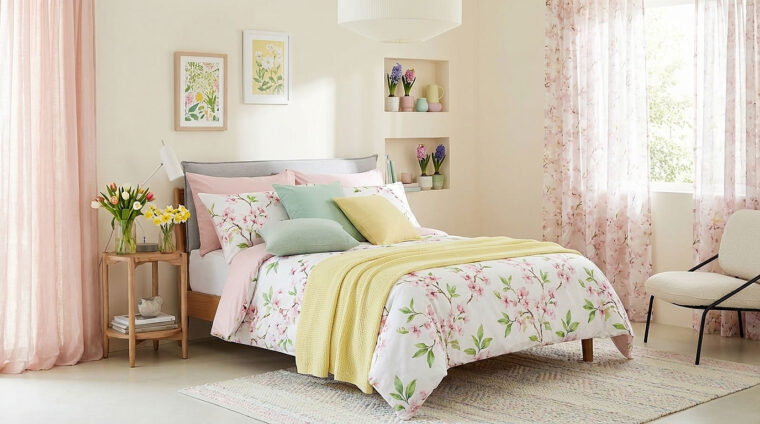
Image credit: Bedstar
Beyond aesthetics, bedroom textiles deliver practical advantages that impact your daily comfort and energy bills.
- Smart Light Control
- Blackout Curtains: Block 95% to 100% of light, creating ideal pitch-black conditions. They are perfect for shift workers or light sleepers.
- Room Darkening Curtains: A milder alternative, filtering out 70% to 90% of light while still allowing a soft morning glow.
- Light Filtering Curtains: Made from thinner, loosely woven fabrics that invite daylight indoors while maintaining privacy.
Bonus benefit: Thick blackout curtains also soften outside noise and improve energy efficiency. They reduce heat loss in the winter and reflect harsh sunlight in the summer to prevent overheating.
- Acoustic Properties for Quieter Spaces
Acoustic fabrics reduce ambient noise through their dense, sound-absorbing structures. Instead of letting sound bounce off hard walls and floors—which creates echoes—these materials absorb it.
High-performance acoustic panels can eliminate most room reflections. You can mimic this effect in the bedroom by surrounding your beds with plush textiles, heavy drapes, and upholstered wall panels to dampen noise from traffic or loud neighbours.
- Insulation and Temperature Regulation
The ideal bedroom temperature for a healthy adult is around 60–67°F (15–19°C). Thermal-lined curtains act as a barrier between your room and the window glass, trapping warm air inside during cold winter months and minimising heat transfer.
- Advanced Moisture Management
Natural materials like bamboo, cotton, and wool are naturally breathable. Bamboo fabric, for instance, pulls sweat away from the skin into its fibres, releasing it onto the surface for quick evaporation. This dual action keeps you perfectly dry and cool all night.
Creating Your Bedroom Style Through Fabric Choices
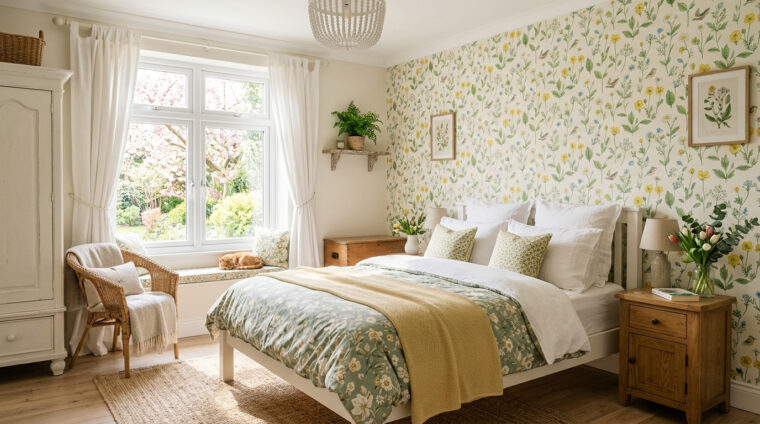
Image credit: Bedstar
Smart textile layering transforms an ordinary room into a space that feels curated, calm, and deeply personal.
- Layer Textures Gradually: Start with your largest surfaces, then introduce soft materials through rugs, cushions, or curtains. Mix contrasting materials like crisp linen with a chunky bouclé or a soft velvet.
- The Hotel Look: A crisp cotton base topped with a linen duvet and a wool throw at the foot of the bed creates an instant luxury resort vibe on all types of beds.
- Coordinate Your Palette: Your bedspread should serve as the primary fabric for the room. If your main bedding fabric is neutral, bring in the same background colours in darker or lighter tones across your window treatments to create cohesion.
- Make a Statement with Headboards: Statement headboards anchor bedroom decor, creating a tactile centrepiece. Velvet headboards evoke opulence with a sumptuously soft texture, while bouclé headboards offer a cozy, teddy-bear texture ideal for minimalist or Scandinavian interiors.
- Master the 60-20-10 Rule for Patterns: To mix prints like a professional, dedicate 60% of the visual space to your main pattern, 20% to a smaller secondary print, and 10% to 15% to solid neutral colours to give the eyes some breathing space.
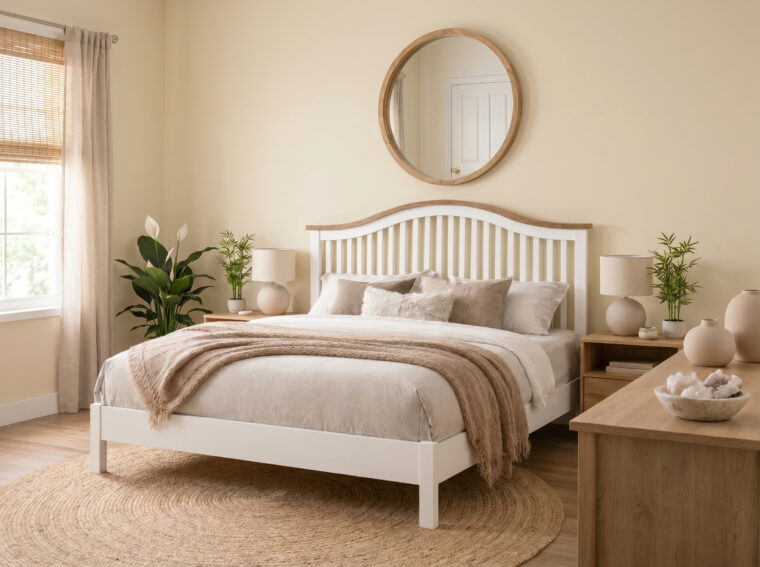
Image credit: Bedstar
Sustainable and Long-Lasting Fabric Options
Choosing sustainable textiles extends your comfort while reducing environmental impact. Natural fibres offer a level of durability that synthetics simply cannot match.
- Organic Cotton: Uses up to 91% less water than conventional cotton farming and is free from harsh chemicals (look for GOTS certification).
- Linen: Extracted from flax plants, it requires minimal processing, breathes beautifully, and gets softer with every single wash.
- Hemp & Bamboo: Both crops flourish rapidly without the need for pesticides, requiring very little water to grow.
- Tencel: Made using a closed-loop manufacturing process that recycles water and minimises harmful emissions.
Care Tips for Longevity
To protect your investment, wash cotton bedding at 40 degrees on a gentle cycle, and wash linen at 30 degrees. Proper care techniques extend the lifespan of premium bedsheets to an average of three to five years.
When it’s time to replace larger items, look for eco-friendly mattresses that combine natural latex foam, organic wool, and organic cotton covers. These utilize natural fire barriers like graphite or coconut coir instead of toxic chemical retardants.
Conclusion
Your bedroom fabric choices shape much more than just the look of the room. They directly influence your sleep quality, physical comfort, and home energy efficiency.
By prioritizing natural fibres and thoughtfully layering materials across your mattresses, bedding, and headboards, you can easily craft a space that feels both professionally designed and tailored to your rest. Start with your largest surfaces, build up your layers gradually, and enjoy a better night’s sleep for years to come.
