
Smart Ways to Keep Wildlife Out of Your Home
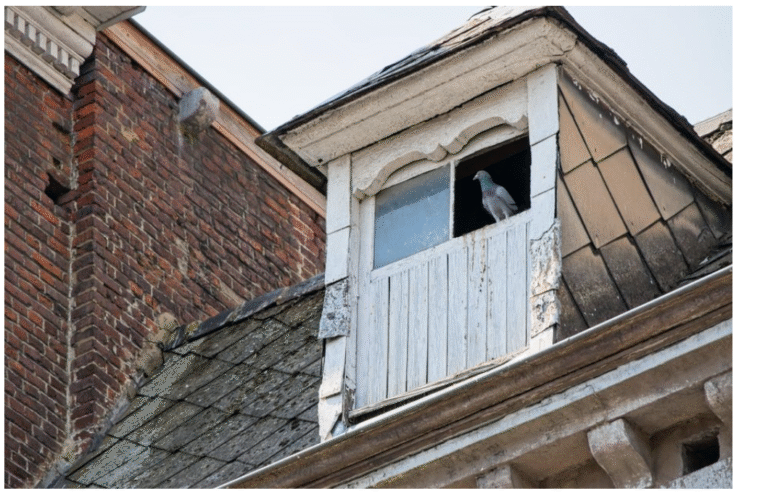
You probably don’t expect your home to double as a hotel for raccoons, squirrels, or bats. Yet wildlife often shows up where food, warmth, and easy shelter are waiting, and in Bessemer that list of visitors runs long enough to include moles, flying squirrels, and honeybees alongside the usual suspects. The good news is that you don’t need to turn into a nature detective to lower the risk. A few simple habits can help you spot trouble early, protect your family, and avoid costly damage. Think of it as basic home care with a side of critter-proofing.
Why animals move in
Wild animals usually aren’t trying to be rude neighbors. They’re looking for the same basic things you are: food, water, and a safe place to rest. Your attic, crawl space, shed, or even the space under a deck can look like a five-star stay when the weather gets rough.
Small openings around vents, roofs, and pipes make easy entry points. Pet food on the porch, loose trash lids, birdseed, and fallen fruit can also roll out the welcome mat. Once one animal finds a cozy setup, it may return night after night.
Repeated scratching overhead or fresh nesting material means the setup has already been claimed. At that stage, the work involved in wildlife removal in Bessemer goes well beyond getting the animal out, taking in humane relocation, disinfecting, odor control, and cleanup of everything left behind. Bats and moles ask even more of that process, since neither can be trapped the way a rodent can.
Spot the early signs
Wildlife problems usually give you hints before they become a full-blown mess. The trick is knowing what counts as normal house noise and what sounds like tiny feet hosting a midnight parade.
Listen for scratching, scurrying, chirping, or thumping in the attic or inside walls, especially at dawn or after sunset. Look for droppings near the garage, attic access, or basement corners. A strong musky smell can also point to nesting or waste buildup.
You might notice torn insulation, chewed wires, greasy marks near entry holes, or trash cans that seem to lose every wrestling match. Outside, disturbed mulch, holes near the foundation, or bent vent covers can be warning signs too.
One clue alone doesn’t always mean trouble. But when several signs show up together, it’s smart to pay attention. Wildlife rarely sends a formal notice before moving in.
Easy prevention at home
Preventing wildlife is often simpler than dealing with it later. You don’t need fancy tools or a giant budget. A few steady habits can make your home much less inviting.
Start by checking for gaps around the roofline, vents, siding, and utility openings. Even a small hole can be enough for mice, bats, or squirrels. Seal what you can safely reach and replace damaged screens or vent covers.
Next, make food harder to access. Keep trash lids tight, bring pet bowls inside, and store birdseed in sealed containers. If you feed pets outdoors, clean up leftovers right away. A raccoon sees that as takeout.
Yard upkeep matters too. Trim tree branches away from the roof, clear heavy brush, and clean fallen fruit. Keep woodpiles off the ground if possible. These steps won’t make your yard unfriendly to nature, but they can stop your home from becoming the main attraction.
Protect kids and pets
Wildlife can be fascinating, but close contact is not a good idea for kids or pets. Even animals that seem calm can become defensive if they feel trapped, cornered, or protective of babies.
Teach children not to approach sick, injured, or unusually fearless animals. That includes trying to “help” a baby animal they find alone. In many cases, the parent is nearby, and stepping in can make things worse.
Pets need boundaries too. Keep dogs on a leash if you suspect something is nesting under a deck or shed. Cats should be watched around crawl spaces, woodpiles, and attic access points. A curious nose can quickly lead to scratches, bites, or exposure to droppings.
Cleanliness matters after any wildlife activity. Waste can carry germs, and nesting materials may trigger allergies. If an area looks contaminated, don’t let kids treat it like an adventure zone. Some mysteries are better left unsolved by tiny explorers.
When to call help
Some wildlife issues are too risky or complicated for a do-it-yourself fix. If an animal is inside your attic, walls, chimney, or crawl space, getting expert help is often the safest move.
The same goes for repeat visits. If you keep patching one spot and the problem returns, there may be hidden entry points or nesting areas you haven’t found. Professionals can usually inspect the full situation, remove animals safely, and help identify why they came in.
Call for help right away if you see signs of a mother with babies, notice bats indoors, or suspect an animal is injured or aggressive. Trying to trap or handle wildlife without training can put you, your pets, and the animal at risk.
This isn’t about panic. It’s about knowing when a simple home task becomes more than a weekend project. Sometimes the smartest budget move is avoiding a bigger repair bill later.
Keep problems from returning
Once wildlife is gone, the next goal is making sure they don’t circle back. Think of it like home maintenance with fewer surprises and less scratching in the ceiling.
Do a quick seasonal check of your roof, vents, foundation, and siding. Storms, heat, and normal wear can open new gaps over time. Look for loose boards, damaged screens, or holes near utility lines.
Keep up with basic yard cleanup. Overgrown shrubs, cluttered corners, and open compost can all create hiding spots. If you have fruit trees or bird feeders, stay extra consistent about cleanup.
It also helps to act fast when you notice the first clue. A little noise today can turn into insulation damage, odors, or chewed wiring tomorrow. Prevention usually costs less than repairs and causes far less stress.
You don’t need a perfect house to avoid wildlife trouble. You just need a home that says, as politely as possible, “No vacancy.”
