
Easy Ways to Keep Wildlife Out of Your Home
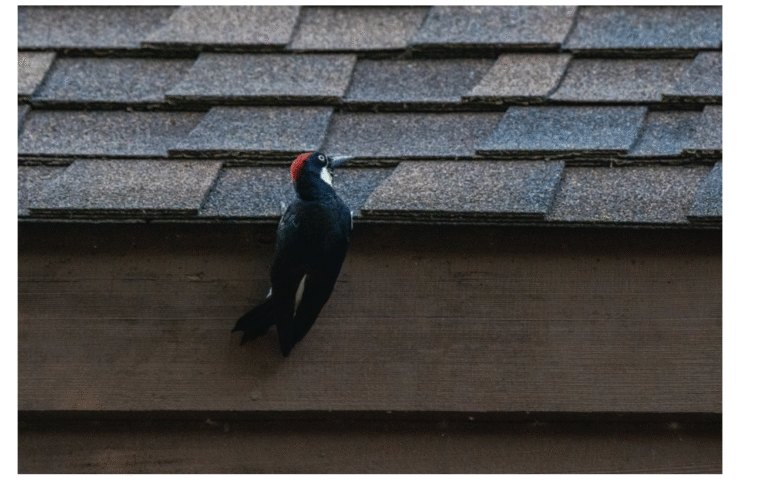
If you’ve ever heard scratching in the wall or found your trash can tipped over like it lost a wrestling match, you know wildlife can get a little too comfortable around your home. The tricky part is that most animals aren’t trying to cause chaos. They’re just looking for food, water, and a safe place to hide. The good news is you can make your home less appealing to uninvited furry guests without turning into a full-time backyard detective.
Why animals move in
Wild animals usually show up for the same reasons people love a cozy house. Your home offers warmth, protection, and easy snacks. A raccoon doesn’t see a garbage bin. It sees an all-you-can-eat buffet with a wobbly lid.
Small openings around your roof, vents, crawl spaces, and garage can look like perfect shelter. Once temperatures drop or storms roll in, those little gaps become prime real estate. Even a quiet attic can seem like a luxury apartment to a squirrel.
Food also plays a huge part. Pet bowls left outside, bird seed on the ground, and overflowing trash cans can all attract animals fast. Water matters too. A dripping hose or pet water bowl can turn your yard into a regular hangout.
This doesn’t mean your home is dirty or neglected. It usually means wildlife found an easy opportunity. That’s why simple fixes often make a big difference before a small problem turns into a bigger one.
When to call help
Sometimes prevention is enough. Other times, you’re past the point of politely asking nature to move along. If you hear movement in the attic every night, spot droppings, notice chewed wiring, or smell something strange, it may be time to look into humane wildlife removal.
This is especially important if the animal may be nesting inside your home. Baby animals can complicate things, and quick DIY moves can separate them from their mother or make the problem worse. Nobody wants to turn a squirrel issue into a squirrel sequel.
You should also call for help if the animal seems aggressive, sick, or unusually comfortable around people. Bites, scratches, and contamination are real concerns. The same goes for anything inside walls, chimneys, or hard-to-reach spots.
A professional can identify entry points, remove animals safely, and help prevent them from coming back. That matters because solving half the problem usually means you’ll meet the same “guests” again later.
Simple prevention habits
You don’t need a giant budget or a toolbox the size of a minivan to make your home less inviting. Start with the basics. Secure your trash cans with tight lids and avoid leaving pet food outside overnight. If you feed birds, clean up spilled seed often.
Walk around your home and look for gaps or cracks. Check around vents, roof edges, pipes, and doors. Even small holes can become open invitations. Sealing them early is often much easier than dealing with an animal after it moves in.
A few habits can help a lot:
- Trim tree branches away from the roof
- Store firewood off the ground
- Clean gutters regularly
- Fix leaky outdoor faucets
- Keep garage and shed doors closed
Try to think like a curious animal. If your yard offers food, water, and hiding spots, it’s attractive. If it feels exposed and boring, wildlife will usually keep moving. In this case, boring is a compliment.
Check your outdoor spaces
Your yard can reveal a lot before an animal ever gets inside. Look under decks, porches, and sheds for dug-out spots or nesting material. Check fences and garden edges for holes, tracks, or signs of chewing.
Your roofline also deserves attention. Loose shingles, damaged soffits, and uncapped vents are common entry points. You don’t need to climb onto the roof yourself, but you should keep an eye out for anything that looks broken or open.
Garages and storage areas can become easy shelters too. A quiet corner filled with boxes may feel safe to a small animal. Try to keep those spaces tidy and reduce clutter where possible.
Watch for these warning signs outside:
- Trash pulled apart overnight
- Scratching under decks
- Droppings near walls or doors
- Greasy marks around openings
- Strong smells near enclosed areas
Catching signs early gives you more options. It’s a lot easier to fix a loose vent cover than to evict a whole family of attic squatters.
Protect pets and kids
Kids and pets are naturally curious, which is adorable until they get too close to a frightened animal. If you suspect wildlife nearby, keep outdoor play areas clean and clear. Pick up fallen fruit, secure trash, and avoid leaving toys or food in the yard.
Teach kids not to approach animals, even if they seem calm or cute. A baby raccoon may look like a cartoon sidekick, but wild animals can react fast when scared. The same rule applies to nests, burrows, and hidden corners.
For pets, supervised outdoor time is your friend. Dogs love to sniff first and think later. Cats often act like they run the neighborhood. Both can get hurt if they surprise a wild animal.
If you spot an animal in your yard, bring pets inside and give it space. Don’t corner it or try to chase it out yourself. Calm distance is usually the safest move for everyone. That keeps the situation from becoming a backyard drama nobody asked for.
What to do next
If you think wildlife may be around your home, start simple. Listen for noises at the same time each day, note where you see activity, and check for obvious entry points. You’re not trying to become a detective with a tiny flashlight and dramatic music. You just want useful clues.
Next, remove easy attractants. Secure food sources, clean outdoor areas, and close off accessible spaces if it’s safe to do so. If the problem seems active inside your home, skip the DIY hero moment and get expert help.
A smart action plan looks like this:
- Notice the signs
- Reduce food and water sources
- Inspect likely hiding areas
- Keep pets and kids away
- Call help if activity continues
The main goal is to solve the problem safely and prevent a repeat visit. Wildlife belongs outside, and your home should feel comfortable for you, not for a raccoon planning an attic takeover. A few practical steps now can save you stress, mess, and money later.
