
Wedding Dress Shopping Made Simple: A First-Timer’s Guide
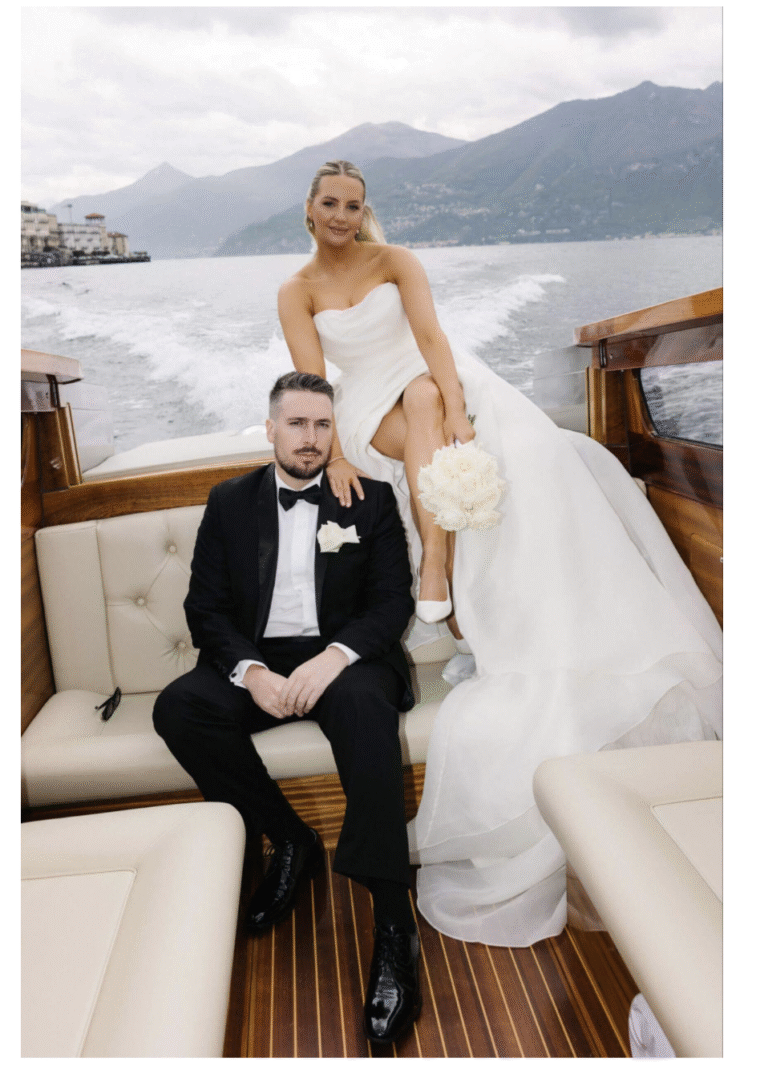
Source: Belle et Blanc
Nobody hands you a manual when you get engaged, so the first time you book a bridal appointment, you’re often walking in without knowing basic things everyone around you seems to just already understand. What’s a sample size. Whether you can actually afford anything in the store before you try it on. Whether it’s rude to say no to a dress the consultant clearly loves. None of this is common knowledge until someone explains it, so here’s the plain-English version, the kind of rundown a friend who’s already been through it would actually give you.
1. Sample Sizes Aren’t Your Size, and That’s Completely Normal
Most boutiques stock sample gowns in a narrow range, often somewhere around a size 10 to 14, regardless of what you actually wear day to day. If you’re smaller or larger than that range, the sample will be pinned, clipped, or loosely closed at the back just to get a sense of the silhouette, not how it will look once it’s made for you.
This catches a lot of first-timers off guard, and it can feel discouraging if nobody warns you beforehand. A good consultant will explain this before you even undress, so if they don’t, it’s a completely fair question to ask directly. It also helps to remember that clips and pins are doing a lot of visual work in that mirror, so a gown that looks a little tight or loose in a sample often sits completely differently once it’s actually made in your size.
2. Off-the-Rack, Made-to-Order, and Custom Actually Mean Different Things
These three terms get used loosely, but they matter for both budget and timeline. Off-the-rack means buying the exact sample in the store, which is rare since samples are usually well worn. Made-to-order means the same design gets manufactured fresh in your size, which is the most common route and usually takes several months. Custom means changes to the actual design itself, not just the size, and it typically costs more and takes longer.
Knowing which one you’re being shown matters, because a gown that looks affordable as a sample can jump in price once it’s made-to-order with your specific measurements and any adjustments included. It’s a completely reasonable question to ask upfront, before you get attached to a number that isn’t actually the final one.
3. An Appointment Costs You Time, Not Necessarily Money
Most first appointments run sixty to ninety minutes and don’t require a deposit just to browse and try things on. You’re not committing to anything by booking a slot, and no reputable boutique expects you to buy on the spot. A deposit only comes into play once you’ve actually decided on a gown and are placing an order.
If a store is pushing hard for a decision in the room, that’s worth noticing. A good appointment should feel more like a conversation than a countdown. Some brides do say yes on their first visit, and that’s fine too, but it should feel like your own decision rather than one you were talked into because the appointment was ending.
4. Questions You’re Allowed to Ask, Even If They Feel Silly
You’re allowed to ask the price before you fall in love with something. You’re allowed to ask whether a gown comes in your actual size range, not just the sample size. You’re allowed to say a dress isn’t for you, even if the consultant seems excited about it. None of these questions are rude, and any consultant who makes you feel otherwise isn’t doing their job properly.
It’s also fine to ask whether you can bring your own shapewear or bra, since fit changes noticeably depending on what’s underneath. And if you genuinely don’t know a term someone uses, whether it’s a cathedral train or an illusion neckline, just ask what it means. Consultants explain these all day and won’t think less of you for not already knowing.
5. The “Moment” Doesn’t Always Look the Way You’ve Been Told
A lot of first-timers arrive expecting instant tears or a dramatic gasp, purely because that’s the version of dress shopping shown in every movie and reality show. In practice, plenty of brides feel calm, or even a little unsure in the moment, and only recognise later that a particular dress was the right one.
Don’t judge your own reaction against someone else’s viral video. Quiet certainty counts just as much as an emotional one, and plenty of brides only realise which dress was right once they’re comparing photos afterward rather than in the moment itself.
6. What to Actually Bring on the Day
Wear something you can move around in easily before and after, since you’ll be changing multiple times. Bring nude or seamless underwear rather than patterned or brightly coloured pieces, and shoes with a heel height close to what you’d actually wear on the day, even a rough approximation helps.
Bring a hair tie, since most gowns need to be seen with your hair up and away from the neckline. And bring one or two people whose opinions you actually want in the room, not everyone who offered to come. It’s also worth eating beforehand, since appointments run longer than people expect and trying on gowns for an hour on an empty stomach rarely improves anyone’s mood.
Know Before You Go
First-timers overthink almost everything except the parts that actually matter, mostly because nobody explains the basics beforehand. Know that sample sizes aren’t your size, understand what you’re actually ordering, ask the questions you’re supposedly not meant to ask, and let go of the idea that there’s only one correct way to react to the right dress. If you’re looking into wedding dress shops in melbourne offers for a first appointment, walking in with this much context alone puts you ahead of most brides on their first visit.

