
How to Start a Drinkware Brand Without Overspending
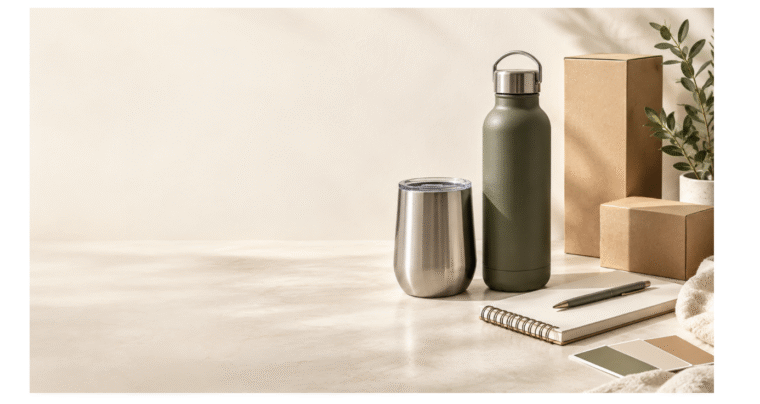
Starting a drinkware brand can be exciting, especially when you already have ideas for colors, styles, and the kind of customer you want to reach. But it is easy to spend too much before making your first sale. Companies such as Xingcai Company, a stainless steel vacuum insulated drinkware manufacturer in China, are part of the supply chain behind many of the choices new brands have to make, from product styles to customization and packaging. The good news is that you do not need a huge catalog to get started. A smaller launch gives you room to test demand, learn what customers like, and make smarter spending decisions as the brand grows.
1. Start With the Customer, Not the Product
Before choosing your first bottle or tumbler, think about who you actually want to sell to. An office worker may care about cup-holder fit and a leak-resistant lid, while someone who goes to the gym may prefer a larger bottle that is easy to carry. Travelers, gift shoppers, and corporate buyers may have different priorities again.
Look at what these customers already buy. Compare common sizes, styles, features, and price points. Then ask what would make your product worth choosing.
You do not need to appeal to everyone. A clear audience makes it much easier to choose products that fit real routines instead of simply ordering whatever looks good in a catalog.
2. Keep Your First Product Range Small
It is tempting to launch with several bottle shapes, tumbler sizes, colors, and lid options. The problem is that every variation adds another product to order, store, photograph, list, and promote.
Imagine starting with one everyday tumbler in three colors instead of five different styles in eight colors each. You still give customers a choice without tying up as much money in inventory.
A focused range also makes it easier to see what people actually prefer. Once one size, color, or design starts selling consistently, you have a much stronger reason to expand than simply guessing what might work.
3. Sample Before You Spend Big
A bottle can look great in supplier photos and still feel completely different once it is in your hand. Before committing to a larger order, get samples and use them as a customer would.
Check how well the bottle keeps drinks hot or cold, whether the lid closes securely, and whether it feels comfortable to carry. Look closely at the finish, weight, durability, and packaging too.
If you plan to add branding, test the printing or engraving before approving production. When comparing suppliers, ordering more than one sample can also help you spot differences that are difficult to see online.
A small amount spent on testing can prevent a much more expensive inventory mistake later.
4. Know What Each Bottle Really Costs You
The quoted product price is only the beginning. Before placing an order, work out how much it will cost to get each finished bottle ready for sale.
Your landed cost can include the product itself, customization, packaging, freight, customs duties, taxes, insurance, and other inbound charges where applicable.
Then consider the costs that come after the product arrives. Storage, marketplace fees, payment processing, fulfillment, marketing, returns, and damaged stock can all affect how much profit is left from each sale.
This is why the lowest supplier quote is not always the least expensive option overall. Calculate these costs before setting your retail or wholesale price so you know whether the numbers actually work.
It also helps to set a spending limit before ordering and leave some of your launch budget untouched for unexpected costs.
5. Spend on the Product Before Fancy Packaging
Custom boxes, printed tissue, branded cards, and other unboxing details can be fun to plan. They can also add up surprisingly quickly.
At the beginning, simple and clean packaging is usually enough. Put more of your budget into the things customers will notice every time they use the product, such as the material, lid, insulation, coating, and overall finish.
A beautiful box cannot make up for a lid that leaks or a surface that scratches easily.
Packaging can always become more elaborate once sales justify the expense. Keeping it simple early on also helps you avoid ordering large quantities of custom packaging before you know how quickly your products will move.
6. Choose a Supplier That Gives You Room to Grow
Price matters, but it should not be the only thing you compare when choosing a supplier. Look at minimum order quantities, sample availability, customization options, production lead times, and how easily you can reorder the same product later.
Consistency is especially important. Ask whether future production runs can match the materials, colors, finishes, and branding you approved the first time.
These are useful questions whether you are speaking with Xingcai or another manufacturer. What matters is whether the supplier’s capabilities, order requirements, and production process fit the way you plan to build the brand.
You may be starting with a modest order today, but choosing a supplier that can support larger quantities later can make future growth much easier to manage.
7. Launch Lean, Then Let Sales Guide Your Next Move
Your first launch does not need to be your biggest one. Start with a quantity you can comfortably manage, then pay attention to what happens after the products go live.
Which colors sell first? Are customers choosing one size over another? Do they keep asking for a different lid or another capacity?
Those details are useful because they come from real buyers rather than assumptions. Reorder the products that are already performing well, and use customer feedback to decide what deserves a place in the next collection.
If you continue working with the same supplier, whether that is Xingcai or another manufacturer, this sales data can also make your next production brief more specific. You will have a clearer idea of which colors, capacities, or packaging changes are actually worth investing in.
Conclusion
Starting a drinkware brand does not require a warehouse full of products or a huge launch budget. A clear audience, a focused range, careful sampling, and realistic cost planning can help you spend where it matters most. Keep your early orders manageable and pay attention to what customers actually buy. As demand becomes clearer, you can invest more confidently in new products, customization, packaging, and larger orders.
