
How a Spinal Cord Injury Affects the Victim’s Life
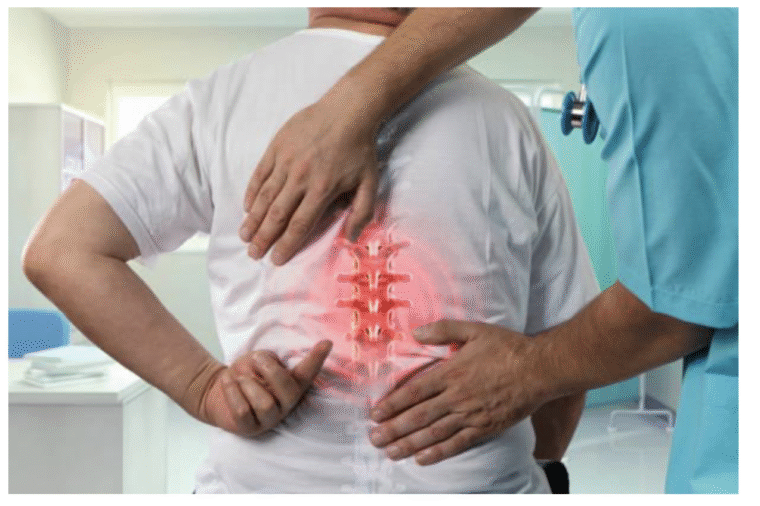
A spinal cord injury can affect nearly every part of a person’s life, including movement, work, relationships, finances, and everyday activities. The impact depends on the location and severity of the injury, but serious spinal damage can require long-term medical treatment, rehabilitation, and changes to how a person lives and works.
Orange County is home to diverse communities, busy workplaces, residential neighborhoods, beaches, parks, and recreational areas. With its large population and mix of urban, suburban, coastal, and recreational communities, the county presents a wide range of environments where serious injuries can occur.
Spinal cord injuries can result from vehicle accidents, workplace incidents, falls, sports activities, and other accidents. When an injury results from another party’s negligence or wrongful conduct, a spinal cord injury attorney in Orange County can help an injured person understand their legal options and the compensation they may be able to pursue.
How Does a Spinal Cord Injury Affect Movement?
The spinal cord carries signals between the brain and the rest of the body. When it is damaged, those signals may be disrupted.
Some people experience weakness or loss of movement in certain parts of the body. More serious injuries can result in paralysis affecting the legs, arms, or larger portions of the body.
The location of the injury can have a major effect on the type and severity of the limitations.
Can a Spinal Cord Injury Affect Sensation?
Yes. A person may experience changes in their ability to feel touch, pressure, temperature, or pain.
Some people may have reduced sensation below the site of the injury, while others may experience unusual sensations such as burning, tingling, or increased sensitivity.
These changes can affect everyday activities and may require adjustments to the person’s home and routine.
How Can an Injury Affect Daily Activities?
Tasks that were once simple may become difficult after a spinal cord injury.
Depending on the severity of the condition, a person may need assistance with:
- Getting dressed
- Bathing
- Preparing meals
- Moving around the home
- Driving
- Working
- Shopping
- Caring for children
Some people may require mobility equipment or modifications to their homes to make everyday activities safer and more manageable.
Can a Spinal Injury Affect Employment?
A serious spinal cord injury can have a significant effect on someone’s ability to work.
A person may be unable to return to the same occupation or may need to reduce their hours. In some cases, returning to any type of employment may be difficult.
This can result in lost wages and reduced future earning capacity.
For someone who was the primary income earner for a household, the financial consequences can extend to the entire family.
What Are the Financial Effects?
The financial impact of a spinal cord injury can be substantial.
Medical expenses may include emergency treatment, hospitalization, surgery, rehabilitation, medication, physical therapy, and follow-up care.
Some individuals may also need long-term medical equipment, home modifications, transportation assistance, or ongoing personal care.
Because some costs may continue for years, it is important to consider both current and future expenses when evaluating the financial impact of an injury.
How Can a Spinal Cord Injury Affect Mental and Emotional Well-Being?
Physical limitations are only one part of the impact.
An injured person may experience frustration, anxiety, sadness, or difficulty adjusting to changes in independence and routine.
Relationships can also change when family members take on caregiving responsibilities.
Mental health support and rehabilitation services can be important parts of adjusting to life after a spinal cord injury.
Can a Spinal Cord Injury Affect Family Members?
Yes.
Family members may need to provide transportation, household assistance, or personal care. They may also experience financial pressure when an injured person cannot work.
Parents may need to change childcare arrangements, while spouses may take on additional responsibilities.
The effects can therefore extend beyond the person who suffered the injury.
What Accidents Can Cause Spinal Cord Injuries?
Spinal cord injuries can result from many types of accidents, including:
- Car crashes
- Truck accidents
- Motorcycle collisions
- Falls
- Workplace accidents
- Bicycle accidents
- Pedestrian collisions
- Sports injuries
The circumstances of the accident may determine whether another person or organization can be held legally responsible.
When Can Someone Be Legally Responsible?
If another person’s negligence caused the accident, an injured person may have grounds for a personal injury claim.
For example, a driver who causes a collision by speeding, driving while distracted, or failing to follow traffic rules may potentially be responsible for resulting injuries.
Property owners, employers, manufacturers, or other parties may also potentially be responsible in different circumstances.
Liability depends on the facts and applicable law.
How Does California Law Affect a Spinal Injury Claim?
California generally allows injured people to seek compensation when another party’s negligence causes harm.
Under California Code of Civil Procedure § 335.1, many personal injury claims must generally be filed within two years of the injury. Certain exceptions may apply, so the specific circumstances should be reviewed carefully.
Waiting too long can also make it harder to preserve evidence and establish the full impact of an injury.
Key Takeaways
- Spinal cord injuries can affect movement, sensation, independence, and daily activities.
- Serious injuries may require long-term treatment and rehabilitation.
- A spinal injury can affect employment and future earning capacity.
- Medical expenses may continue long after the initial accident.
- Family members may also face financial and caregiving challenges.
- Car crashes, falls, workplace accidents, and other incidents can cause spinal cord injuries.
- California Code of Civil Procedure § 335.1 generally provides a two-year deadline for many personal injury claims.
- Medical records and accident documentation can be important evidence.
- Legal options depend on the cause of the injury and the specific facts of the case.
