
How to Create a Safe Outdoor Kitchen Setup
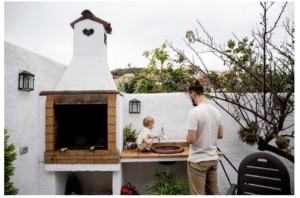
An outdoor kitchen turns your backyard into a place to cook and hang out. But building one takes good planning; fire, gas, and high heat can be dangerous if you’re not careful.
Keep the grill away from walls and hanging branches. Smart setup decisions can prevent damage and injuries. Good planning means you can enjoy great meals without worrying about safety.
Designing an Outdoor Cooking Space with Safe Clearance
Where you place your outdoor appliances matters. Fire data shows gas grills cause about 9,300 home fires each year. Keeping space between your grill and flammable materials helps prevent heat from spreading.
Put counters at least 10 feet away from wood decks, vinyl siding, and low branches. Wind can blow sparks toward dry leaves or furniture. Building on non-flammable materials like concrete or stone adds extra protection.
If you’re adding a grill under a roof or pergola, think about heat and smoke. Solid roofs trap both, which can be dangerous. Open designs or vent hoods let heat escape safely.
Things like wood lattices and vinyl railings need extra space. Heat from large burners can warp or ignite them. Heat shields behind your grill add another layer of safety for nearby walls.
Mastering Accident Prevention and Equipment Checks
Before starting any backyard cookout, inspect your equipment from top to bottom. Active steps toward grilling accident prevention keep open flames away from wooden decks and dry rooflines. Regular equipment checks create a secure environment for every family gathering.
Check your burner tubes for spider webs, rust, or food before turning on the gas. Clogged burners can send gas in the wrong direction and cause dangerous flare-ups. Keep spare parts handy so you can make quick repairs.
Store extra propane tanks upright and outside in open areas. Never keep them in garages, sheds, or basements where gas could build up. Put them on flat ground so they don’t tip over in storms.
Managing Gas Fuel Lines and Ventilation Systems
Check your gas lines often to avoid fuel leaks near your outdoor kitchen. Consumer safety guides say to inspect hoses for cracks, brittleness, holes, and sharp bends. A simple soap-and-water test on the connections will show leaks by creating bubbles.
Cabinets under countertops need proper ventilation. Propane is heavier than air, so it sinks and can enter your home through doors, windows, or dryer vents. Adding vent panels near the bottom of cabinets helps prevent gas from building up.
Safety steps for propane systems include:
- Checking hose fittings
- Turning off cylinder valves
- Keeping fuel tanks ground level
- Replacing worn rubber connectors
Shutting off the main gas valve after every use keeps system pressure stable. Never force stubborn control knobs or rusty tank valves. Professional gas technicians should handle major piping repairs to maintain local code compliance.
Maintaining Clean Surfaces and Cooking Tools
Grease buildup is dangerous in outdoor kitchens. If you don’t clean your grill, it’s the top cause of fires. Scrape the grates after every meal to stop grease from piling up.
The right cleaning tools also help protect your health. Farm extension guides say to use wire-free brushes with heat-resistant, replaceable heads. That way, loose bristles won’t end up on your grates and in your food.
Effective cleaning practices include:
- Emptying grease trays
- Scrubbing cool grates
- Wiping counter surfaces
- Deep cleaning internal burner
Deep cleaning your cooktop keeps flame heights predictable and controlled. Emptying drip pans prevents unexpected flare-ups when cooking high-fat meats like bacon or ribeye steaks. Clean workspaces also keep wild critters away from your patio overnight.
Monitoring Heat Zones and Food Preparation
Managing heat levels reduces thermal hazards and foodborne illnesses during summer parties. Humanitarian safety reports state that grilling sparks more than 10,000 home fires on average each year. Keeping dedicated hot zones and cool prep areas separate helps cooks control cookout safety.
Food safety standards from federal inspectors dictate cooking all raw ground beef, pork, lamb, and veal to an internal temperature of 160°F as measured with a food thermometer. Digital instant-read thermometers eliminate guessing games about meat doneness. Never place cooked burgers back onto platters that held raw meat products.
Keep a fire extinguisher rated for Class B and C fires within 10 feet of your grill. Never throw water on a grease fire since water causes burning oil to splatter rapidly. Smother small flare-ups by closing the grill lid and cutting off the oxygen supply.
Creating two-zone fire layouts gives cooks full control over temperature spikes. Moving searing steaks to lower-heat side burners prevents dripping fats from creating giant flames. Setting up separate prep zones for raw poultry prevents cross-contamination across stainless steel counters.
Establishing Boundaries for Children and Pets
Busy outdoor kitchens create dynamic environments where kids and pets run around freely. Forestry prevention guidelines recommend keeping children and pets at least 3 feet away from the grill area. Marking a safe zone on your patio floor using distinct pavers helps youngsters visualize boundary lines.
Hot stainless steel counters and grill lids stay scorching hot long after burners shut down. Remind family members that surfaces remain dangerous during cool-down periods. Store sharp skewers, matches, and lighter fluids inside locked cabinets out of reach.
Assigning a secondary adult to watch children keeps the primary cook focused on heat management. Clear pathways around prep counters prevent tripping hazards near hot oil pan stations. Simple boundary rules ensure your outdoor gathering stays fun and accident-free.
Educating younger kids about heat dangers builds smart outdoor safety habits early. Establishing clear playground zones far from cooking islands keeps games away from hot equipment. Active supervision guarantees summer barbecues end with fun memories rather than emergency room visits.
A safe outdoor kitchen takes good layout, regular cleaning, and proper equipment care. Setting clear boundaries and leaving enough space between your grill and walls helps you cook with confidence. Simple safety steps protect your home and bring family together around great food.
More Outdoor Living Tips
A safe, useful outdoor space starts with good planning and regular upkeep. Whether you’re upgrading a patio, adding new features, or improving your backyard, the right info makes the job easier. Check out our other blog posts for more practical home and outdoor tips.
