
How to Keep Your Home Comfortable Without Wasting Money
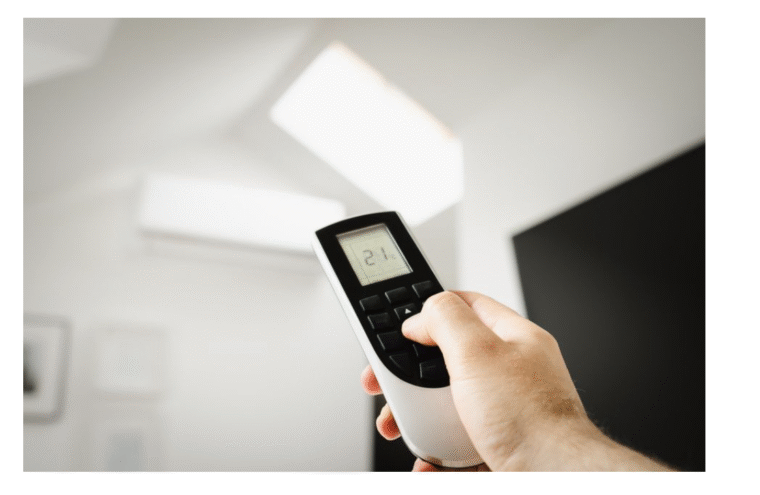
Your home can feel perfect one week and wildly unpredictable the next. One room turns into a sauna, another feels like a walk-in freezer, and your utility bill starts acting a little too confident. If you want comfort without burning through cash, it helps to understand what your heating and cooling system is actually doing. A few smart habits, timely maintenance, and better decision-making can keep your space comfortable and your budget intact.
Start With How Your Home Actually Feels
Before you blame your thermostat, pay attention to patterns inside your home. Does the upstairs stay hot long after sunset? Does the bedroom feel cold even when the rest of the house seems fine? Those details matter because comfort problems often come from airflow issues, insulation gaps, or an aging HVAC system rather than a bad temperature setting.
Walk through your home at different times of day and notice where things shift. Check whether vents are blocked by furniture, rugs, or that decorative chair nobody sits in. Open and close interior doors to see if certain rooms trap heat. These simple observations can reveal more than you’d expect. Your HVAC system isn’t magic, even if you wish it were during a July heat wave.
Pay Attention to Warning Signs Early
Heating and cooling systems rarely fail without giving you hints first. You might hear rattling, buzzing, or a loud startup that sounds like your unit is announcing itself to the neighborhood. Air might smell dusty for longer than usual, or the system may run nonstop without getting your home where you want it.
Other red flags include uneven temperatures, weak airflow, short cycling, and sudden spikes in energy use. Ignore those signs, and a manageable repair can turn into a full replacement discussion fast. If your system is older or acting unpredictable, having a trusted local company inspect it can save you money and stress. Homeowners looking into service or installation work often turn to JonLe Heating & Cooling for professional heating and air conditioning support.
Don’t Underestimate the Power of Basic Maintenance
Routine maintenance sounds boring, which is probably why so many people put it off. Still, this is one of the easiest ways to protect your comfort and avoid surprise costs. A neglected HVAC system has to work harder, and hard-working machines tend to complain with higher bills and shorter lifespans.
Start with the air filter. If it’s clogged, your system struggles to move air efficiently. Many homes need a filter change every one to three months, though pets, dust, and allergies can make that timeline shorter. Keep outdoor units free of leaves and debris. Make sure vents stay open and clear. Scheduling seasonal tune-ups can also help technicians catch worn parts, refrigerant issues, or airflow problems before they become expensive. It’s less glamorous than buying new gadgets, but a clean system usually beats a flashy thermostat attached to a struggling unit.
Use Your Thermostat Like a Strategy Tool
A thermostat isn’t just a temperature dial. It’s one of the easiest ways to manage both comfort and cost. If you’re adjusting it every hour, you’re probably working harder than necessary. A programmable or smart thermostat can help you create a routine that matches how you actually live.
Set temperatures based on when you’re home, asleep, or away. During winter, lowering the heat slightly while you sleep can reduce energy use without making your room feel like a cave. In summer, raising the temperature a few degrees when the house is empty can ease the workload on your AC. Just don’t swing settings too aggressively. Cranking the thermostat way down doesn’t cool the house faster. It only tells your system to keep running until it reaches that lower number, which is not the shortcut many people hope it is.
Seal the Leaks That Quietly Drain Money
You can have a solid HVAC system and still waste money if your home leaks air like a badly zipped jacket. Drafts around windows and doors let conditioned air escape and outdoor air sneak in. The result is a system that keeps running just to maintain a basic level of comfort.
Check for leaks with your hand on windy days or use a simple candle test near closed windows and doors. Weatherstripping, caulk, and door sweeps are low-cost fixes that often make a noticeable difference. Attic insulation matters too, especially if your upstairs gets much hotter or colder than the rest of the house. Duct leaks are another common problem, particularly in older homes. If conditioned air is escaping into crawl spaces or attics, you’re paying to heat and cool areas nobody lives in, which is a terrible subscription plan.
Know When Repair Makes Sense and When It Doesn’t
At some point, every homeowner faces the repair-versus-replace question. If your system is fairly new and the issue is minor, repair is usually the obvious move. If your HVAC unit is more than 10 to 15 years old, breaks down often, or struggles to keep temperatures steady, replacement may be the more practical choice.
Look at the full picture, not just the repair invoice. An older system may keep asking for money while delivering uneven comfort and poor efficiency. Newer units often perform better, use less energy, and offer more consistent temperature control. You should also consider noise levels, indoor air quality, and whether parts are becoming harder to source. A cheap repair can feel satisfying in the moment, but repeated fixes have a way of stacking up until your budget starts giving you side-eye.
Improve Indoor Air Quality While You’re at It
Comfort isn’t only about temperature. Air quality plays a big role in how your home feels day to day. If the air is dusty, stale, or overly humid, your house can feel uncomfortable even when the thermostat says everything is fine.
Humidity control is especially important. High humidity makes warm rooms feel hotter, while overly dry winter air can irritate your skin, throat, and sinuses. A well-maintained HVAC system helps regulate moisture, but some homes benefit from add-ons like whole-home humidifiers, dehumidifiers, or upgraded filtration. If anyone in your home deals with allergies or asthma, filtration deserves extra attention. Cleaner air can improve sleep, reduce irritation, and make your home feel fresher overall. It’s one of those behind-the-scenes upgrades that people notice without always realizing why.
Build a Seasonal Comfort Routine That Saves Money
The easiest way to stay ahead of heating and cooling problems is to treat comfort like a year-round project instead of an emergency response. In spring, check your AC before the first hot stretch arrives. In fall, inspect your heating system before cold weather settles in. Waiting until the first extreme day usually means longer service wait times and more stress.
Keep a simple checklist: replace filters, clear vents, test the thermostat, inspect visible ductwork, and schedule professional service when needed. Pay attention to utility bills so you can catch unusual changes early. You don’t need to become an HVAC expert overnight. You just need a few solid habits and the willingness to address small issues before they become expensive ones. A comfortable home usually comes down to consistency, not guesswork, and your wallet tends to appreciate that approach too.
