
Heated Flanges and Pumping Output: Comfort First, Then Letdown and Flow
Introduction
Some mornings, you can tell pumping will be harder before you even begin. If your breasts feel cold, tight, or tense, those first few minutes may be less cooperative, and you might rush settings just to get to the “good part.”For many heated breast pump users, the goal isn’t only higher output.It’s starting each session in comfort.This article gives a practical overview of heated breast pumps. Heated flanges aren’t a fix-all, but warmth can improve comfort and may help you move more smoothly from startup to letdown and expression. We’ll cover what heat can and can’t do on its own, and how to choose a wearable with heating that feels safe and consistent.

New mom pumping with a visible wince and furrowed brow
Table of Contents
- Why gentle heat and stronger suction are not the same thing
- Who should consider a heated wearable pump
- What really matters when shopping for any heated breast pump
- How to choose heated support that actually helps
- Before you pump checklist for a comfort-first routine
- Conclusion
- FAQ
Why gentle heat and stronger suction are not the same thing
When pumping starts slowly, many parents first raise suction. Suction changes mechanical force, but heat works through a different pathway. Gentle warmth improves local comfort, helps soften tense tissue, and may support blood flow in the first minutes of a session. This can make the shift from stimulation to expression feel smoother and less stressful, so you are less likely to keep increasing vacuum too early.
It is also important to separate comfort from total milk volume. Heat can improve how pumping feels and how consistently you begin, but output still depends on several factors, including flange fit, pumping frequency, hydration, stress level, sleep quality, and day to day physiology. Guidance from the Academy of Breastfeeding Medicine Protocol supports warm compresses as a comfort measure in breast care, which is useful evidence for heat as supportive care rather than a single solution.
Who should consider a heated wearable pump
Not every parent needs heat, but for some, it can remove the exact friction that makes pumping harder at the start. If early-session coldness, tightness, or discomfort repeatedly slows letdown or pushes you to over-adjust suction, a heated wearable may offer meaningful practical value. If your current routine is already comfortable and consistent, the added heating feature may bring limited benefit.
Best for
- Parents who feel cold/tight at session start and see slower early flow
If milk transfer is often delayed at the beginning, gentle warmth can reduce tension and help you transition into letdown more smoothly.
- Users who keep increasing suction to overcome discomfort
If your default fix is “turn suction up,” heat may let you stay at moderate settings by improving comfort first, rather than forcing output through intensity.
- Routine pumpers who benefit from repeatable conditions
Heat tends to deliver the most benefit when used consistently (same timing, similar prep, stable settings), making sessions easier to predict.
Not ideal for
- Parents who already have comfortable, efficient sessions
If letdown is reliable and pain is minimal, heating may add steps without meaningful gains.
- People with high heat sensitivity
If you are prone to irritation, choose precise temperature control and auto shutoff, or avoid heating if safety/comfort cannot be maintained.
In practice, a heated wearable pump is most worthwhile when it reliably improves early-session comfort and helps you keep a sustainable routine. If warmth makes your sessions smoother and more predictable without adding stress, it is likely the right fit.
What really matters when shopping for any heated breast pump
Heated pumps vary more than people expect. Before you pick a model, focus on whether the heating system supports comfort in real use, and whether the rest of the wearable workflow stays consistent.
Use these questions on any brand:
- Is the warmth built into the flange, and does it feel even rather than “hot spots”?
- Can you adjust heat levels to match your comfort on different days?
- Are you able to switch from stimulation to expression smoothly once flow starts?
- Does the pump stay comfortable and leak-aware while warm?
- Will charging and cleaning fit your routine, not just the first week?
If two models look similar, prioritize comfort control and a sealing design that stays stable.
How to choose heated support that actually helps
A good heated pump should solve a real comfort problem, not add extra complexity. Before you compare models, focus on what happens in your first few pumping minutes and which features would make that part easier and more consistent.
- Define your main problem
Cold start discomfort, delayed letdown, or mid session comfort drop.
- Look for stable controllable heat
Multiple levels and easy adjustment matter more than maximum heat.
- Check daily practicality and safety
Battery, cleaning, noise, and clear heat protection should fit your routine.
If these priorities sound like your day to day needs, the eufy Wearable Breast Pump S1 Pro may be a comfortable reference point, with wearable convenience, controlled heating, and app based adjustments designed to keep sessions feeling steadier. The table below can help you quickly see which features may matter most for your own routine.
| Comfort and letdown struggle | What to look for | S1 Pro reference (what it helps with) |
| The first minutes feel cold or tense | Built-in heating that warms comfortably and consistently | HeatFlow™ technology + heated flange design |
| You want control over warmth, not a fixed temperature | Adjustable heat levels and a way to time warmth realistically | Multiple heat levels (HeatFlow) for comfort tuning |
| You feel letdown is delayed | A stimulation-to-expression flow that pairs well with warmth | Heated wearables with phase-based pumping |
| You need suction performance without extra noise | Hospital-grade suction and quiet operation so night or office sessions stay low-stress | Hospital-grade suction + ultra-quiet design (under 46 dB) |
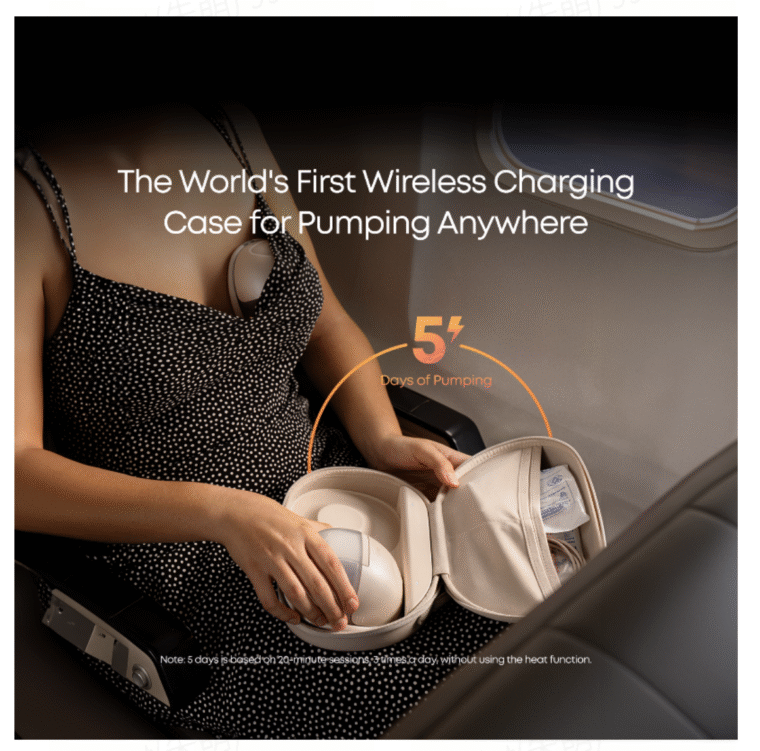
| You worry about interruptions and missed sessions | A charging workflow that fits your real schedule | Wireless charging case for pumping anywhere |
| You want confidence in fit and seal while heated | Leakproof comfort-first sealing without creating leaks | Secure double seal and comfort-focused materials |
eufy Wearable Breast Pump S1 Pro’s gentle heat allows you to feel at ease wherever you are, knowing your milk flows smoothly and naturally
Great heating support is not about pushing harder. It is about helping your body settle into pumping with less tension and more consistency.
If a heated wearable helps your sessions start more comfortably and stay predictable, it is doing exactly what it should. From there, the best results come from combining warmth with the basics that always matter most: proper fit, sustainable routines, and settings that feel effective without discomfort.
Before you pump checklist for a comfort-first routine
Warmth works best when you treat it like part of your routine, not something you turn on and forget. Keep your process consistent so you can notice what changes.
- Start with fit and comfort: center the flange and check the seal feel.
- If you use heat, activate it before you need it and keep the setting gentle at first.
- Use stimulation first, then switch to expression once flow begins.
- If suction feels weak, troubleshoot the seal before increasing intensity.
- Stop if you feel pain, burning, numbness, or sharp discomfort. Adjust and get guidance if it persists.
- Clean and store parts per the manual and safe guidance (CDC is a common reference in the US).
Even when output varies, your goal is a calm, comfortable session you can repeat.
If warmth starts to feel too intense—sharp tingling, increasing redness, or any burning—pause and reassess. Comfort should feel steady and safe, not numbing or alarming.
Conclusion
Heated flanges are mainly a comfort tool. If the start feels less cold or tight, it can be easier to move through stimulation and into expression without constantly second-guessing your setup.
At the end of the day, the best heated wearable is the one where warmth feels even, the seal stays comfortable, and you can keep a routine that you actually repeat every day.
When you’re ready to choose, take a quick look at eufy’s Breast Pump collection then pick the option that feels easiest to live with day after day.
FAQ
Does a heated breast pump increase milk supply?
Heat can help you feel more comfortable at the start, and comfort may support letdown. But a heated flange isn’t a guaranteed supply booster on its own—if supply is your main worry, an IBCLC can help you figure out what’s driving it.
Is heating safe to use during pumping?
When you follow the manufacturer instructions and start with gentle settings, heating is designed for wearable use. Stop right away if you feel burning, numbness, or sharp discomfort, and get guidance if it keeps happening.
Should I keep heat on the whole session?
Not necessarily. Many parents use heat mostly at the start, then turn it down once flow is established. Use the setting that keeps you comfortable.
More heat always means better results, right?
No. If warmth feels too intense, lower the setting and double-check fit and seal. Comfort is the first priority.
Do I still need suction and cycling settings?
Yes. Heat may help you feel more relaxed, but suction strength and cycle timing still shape how the session goes. Adjust based on how you respond.
(General information only, not medical advice)
