
What Damages Can You Recover After a Serious Car Accident
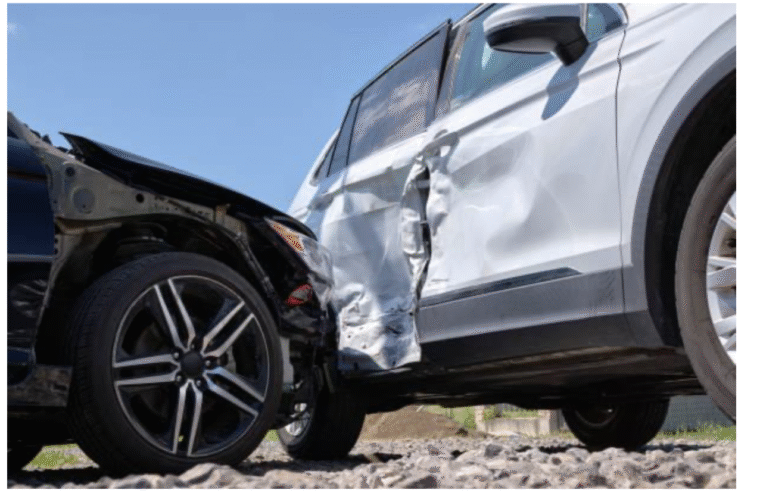
After a serious car accident, an injured person may be able to recover damages for medical expenses, lost income, property damage, pain and suffering, and other losses caused by the crash.
Chicago is the largest city in Illinois, located along the southwestern shore of Lake Michigan. The city is connected by major routes, including Interstate 90, Interstate 94, Interstate 55, Lake Shore Drive, and one of the nation’s busiest urban road networks.
After a serious collision on these roads, Chicago car accident attorneys can help identify the damages available under Illinois law and build a claim supported by medical records, financial losses, and other evidence.
Here are the damages you can recover after a serious car accident:
Medical Expenses
Medical expenses are often one of the largest components of a serious car accident claim. These losses can begin with ambulance transportation and emergency room care and continue through hospitalization, surgery, medication, physical therapy, and follow-up appointments.
Serious injuries may also require future medical treatment. A person with a traumatic brain injury, spinal cord injury, severe fracture, or other permanent condition may need ongoing therapy, assistive equipment, home modifications, or additional medical procedures.
Keeping medical bills, treatment records, prescriptions, and other healthcare documentation can help establish the financial impact of the injuries.
Lost Wages
An injured person may be unable to work while recovering from a serious accident. Even a temporary absence can result in substantial lost income.
Lost wages may include regular earnings, depending on the circumstances, as well as other documented employment income. If the injury prevents the person from returning to the same position or working the same number of hours, the financial impact may continue for years.
Employment records, pay statements, tax documents, and information from the employer can help demonstrate the amount of income lost.
Future Earning
Some serious injuries permanently change a person’s ability to work. In these situations, a claim may involve reduced future earning capacity. Determining this type of loss can require information about the person’s age, occupation, previous income, career path, medical limitations, and expected future work.
The goal is to demonstrate how the accident changed the person’s ability to earn income rather than simply documenting the wages missed immediately after the crash.
Pain and Suffering
Serious accidents can affect much more than a person’s finances. Physical pain, emotional distress, loss of enjoyment of life, sleep problems, anxiety, and limitations on normal activities may also be considered when evaluating damages.
For example, someone who once exercised, traveled, cared for children, or participated in hobbies may no longer be able to do those things in the same way after a serious injury.
Medical records can document the physical effects, while testimony and other evidence can help explain how the injuries have affected daily life.
Property Damage
A serious collision may cause extensive damage to a vehicle. Repair costs, replacement value, towing charges, and other related expenses may be relevant to the financial losses resulting from the accident.
Photographs of the damaged vehicle and repair estimates can help establish the extent of the property damage.
Vehicle damage may also provide useful information about the force and circumstances of a collision, particularly when combined with photographs, accident reports, and other evidence.
Long-Term Losses
A serious accident can change nearly every part of a person’s life. Someone who needs long-term medical care may face expenses that continue long after the initial settlement discussions begin.
Future costs may include rehabilitation, medications, specialized equipment, home care, transportation, or other necessary services. When the injury is permanent, evaluating these future losses becomes particularly important.
A claim that considers only bills already received may fail to reflect the full financial consequences of a serious injury.
Illinois Law Provides a Framework for Personal Injury Claims
Illinois law recognizes various forms of damages in personal injury cases. Illinois Compiled Statutes 735 ILCS 5/2-1116 addresses contributory fault and can affect recovery when an injured person is also found partly responsible for the accident.
This makes evidence of how the crash occurred important. If another driver caused the collision but claims that the injured person contributed to it, the allocation of fault can affect the amount recovered.
Key Takeaways
- Serious car accident claims may include medical expenses, lost wages, property damage, and pain and suffering.
- Future medical costs may be recoverable when supported by the evidence.
- Pain and suffering can reflect the physical and emotional impact of serious injuries.
- Illinois comparative fault rules can affect the amount of compensation recovered.
- Medical, employment, financial, and accident-related records can help establish damages.
- A complete evaluation should consider both immediate losses and the long-term consequences of the accident.
