
Do You Know What to Do After a Minor Car Accident in Florida?
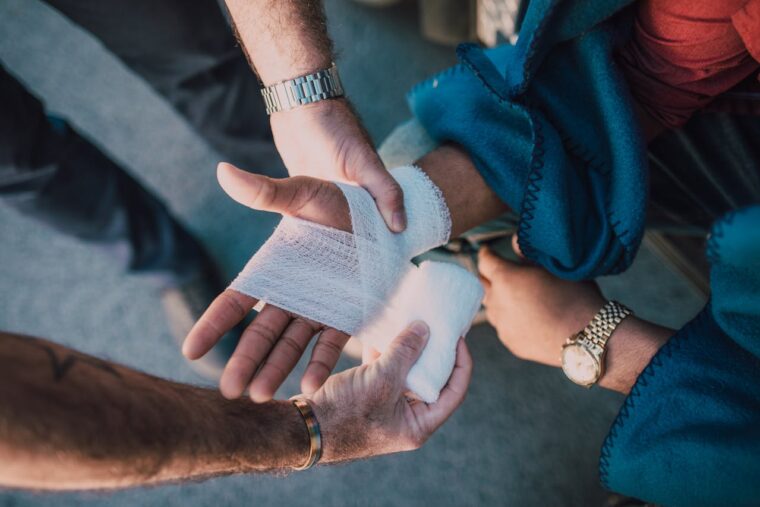
Minor car accidents aren’t anything to scoff at. Even though damages, including injuries, tend to be minor, you probably still want to recover compensation. After all, who wants to pay for a new bumper when the minor collision isn’t their fault?
Just because an accident is considered minor doesn’t necessarily mean the legal process is any easier. You still need to follow some essential steps after a minor car accident in Florida. Skipping a step may not only be illegal, but it can also impact your ability to file an accident claim.
Steps to Take After a Minor Car Collision in Florida
The Sunshine State has a few laws regulating what drivers should do after being involved in an accident. This includes whether you need to report the accident immediately to the authorities or if you can wait a few days.
Florida requires all accidents involving injuries, fatalities, or property damage exceeding $500 to be immediately reported to the authorities. If none of this applies to your vehicle accident, you have ten days to file a report. You can even complete the Driver Report of a Traffic Crash online and have a copy sent to your email address.
Even though taking care of everything online is extremely tempting, it’s still best to immediately report any minor traffic wreck. This is especially true if you’re planning on filing an insurance claim against the other driver’s provider. Immediately reporting the accident gives authorities the chance to investigate the scene while the evidence is still fresh. Don’t forget Florida is a comparative negligence state. Waiting at the accident scene for the authorities to show up can help you avoid being unfairly assigned blame for the minor collision.
Move Your Vehicle to a Safe Location
Most minor vehicle accidents tend to take place in traffic lanes and parking lots. Think of one driver gently rear-ending another vehicle. Since the accident is relatively minor, all involved vehicles are usually drivable. Sure, your car may have an ugly dent but you can still move it to a safer location. Basically, you don’t want your minor fender bender to cause another vehicle accident.
Let the other involved driver know you’re moving your vehicle to a safer location. This way they don’t think you’re trying to leave the scene of the accident. Emotions typically run high after a collision and there’s no reason to make the situation more stressful. Letting the other driver know why you’re suddenly turning over the ignition can save everyone a ton of stress and frustration.
Start Collecting Evidence
Since injuries tend to be relatively minor in these types of vehicle accidents, you’re probably not going to need an ambulance ride to the ER. Instead of standing around bored waiting for the authorities to show up, grab your smartphone. The camera app is going to come in handy.
Start taking some pictures of the accident scene, including any visible damage to your property. Don’t worry about getting any pictures of the other driver’s vehicle. Remember, emotions are probably high and not everyone wants strangers taking their picture. This tends to apply even if you only want a shot of their damaged property. Try to get some pictures of where your vehicle ended up. This can help establish fault if comparative negligence comes into play. Do you have any visible injuries like cuts and scrapes? If so, get a few pictures to include in your medical file.
Accidents usually have witnesses. Get their contact information but don’t discuss the accident. The at-fault party’s insurance adjuster is also going to talk to the same witnesses and you don’t want anything you say to be used to try and reduce the value of your accident claim. Don’t forget to scan the area for any surveillance cameras. Your attorney can subpoena the footage to help support your accident claim.
Make A Doctor’s Appointment
You feel fine after the minor car accident. Sure, you’re a little sore and feeling a bit banged up. You’re almost positive you’ll be okay after spending some time with an ice pack and heating pad. However, even a relatively insignificant vehicle wreck can cause serious injuries. You may have internal bleeding or organ damage. Whiplash can also be a concern.
Instead of hoping everything’s okay, make an appointment with your primary healthcare provider. You want to do this as soon as possible after the accident. Not only is this being proactive about your health, but it also makes it easier to meet the statute of limitations. Florida typically gives accident victims two years to file an accident claim so you don’t want to delay any necessary medical treatment. You’re also going to need copies of your medical records if you’re planning on listing injuries as claimable damages.
Calculate Your Damages
Some damages are pretty easy to figure out their value. Things like your medical costs, property repair expenses, and lost income are considered economic damages. You just gather up your bills, receipts, and estimates, and you have the total of your economic damages.
Your minor car accident claim may also include non-economic damages and this is when things get a little interesting. Non-economic damages are intangible things like your pain, suffering, and emotional distress. Since you can’t use bills and such to figure out the value of your non-economic damages, you turn to one of two formulas. This is also when your personal injury attorney can help.
Using either the per diem or multiplier method, your accident attorney can come up with the estimated value of your non-economic damages. These are added to your economic losses, giving you the total value of your minor accident claim.
Filing a Claim Is Easier With an Attorney
You may be wondering if you need an accident attorney to help handle a minor car collision. The answer is probably yes. Your attorney can help you navigate comparative negligence and calculate your non-economic damages. When it’s time to file your accident claim, your attorney is ready to handle the negotiations.
