
What Really Makes a Good Girls Bike?
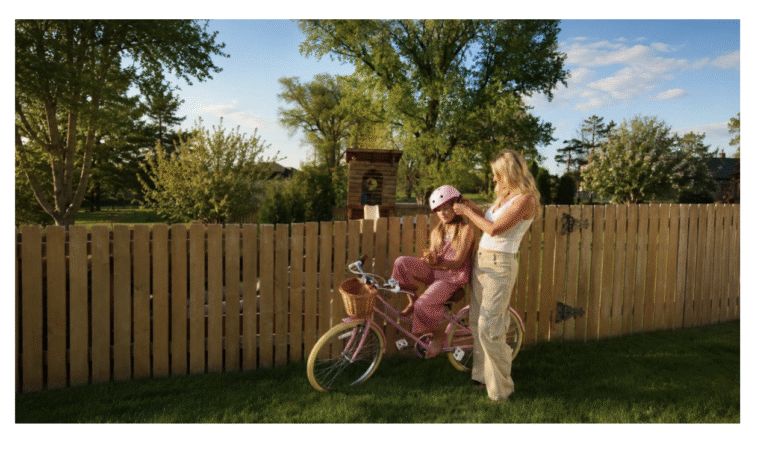
A good girls bike is not defined by its color, basket, or frame shape. It should fit the rider now, feel easy to control, and have brakes and gears she can operate confidently. A child who often rides dirt paths may need a trail-ready girls bike, while a neighborhood rider may be happier with a simpler design.
Families can compare current sizes and riding styles through glerc bikes before narrowing the options by height, inseam, experience, and usual route. Starting with these factors keeps appearance and unnecessary features from driving the decision.
Fit Comes Before Style
Children’s bike sizes refer to wheel diameter, not frame size. Common options include 12, 14, 16, 18, 20, and 24 inches, but two bikes with the same wheel size may fit differently. Frame shape, saddle height, handlebar position, and tire width can all change how a bike feels.
Age charts are helpful for creating a shortlist, but they should never be the only guide. Measure the child’s height and inseam, then compare both numbers with the sizing information for the exact model.
A beginner should be able to touch the ground comfortably when seated. She should also be able to reach the handlebars without stretching or locking her elbows. When standing over the frame, there should be enough clearance to step off quickly.
Avoid buying a bike that is too large simply because a child will “grow into it.” A bike that feels intimidating today may make starting, turning, and stopping harder. An adjustable saddle and handlebars provide safer room for growth without sacrificing current control.
Weight Changes the Ride
Bike weight is especially important for younger riders. A heavy bike can be difficult to push away from a stop, steer at low speed, or lift after it tips over. It may also make hills feel much harder than they need to be.
The child should be able to hold the bike upright, walk beside it, and move it out of a garage without adult help. These simple checks often reveal more than a product photo or age label.
Accessories also add weight. A basket, rack, fenders, and training wheels can be useful, but every addition should serve a real purpose. A lightweight, well-fitting bike is usually more enjoyable than a heavily equipped bike that feels difficult to handle.
Brakes Should Feel Natural
The best braking system is one the rider can use reliably. A coaster brake stops the bike when the child pedals backward. This can feel familiar to a first-time rider, although it may make repositioning the pedals before starting less convenient.
Hand brakes help children develop skills they can carry to larger bikes. However, the brake levers must be within easy reach. The child should be able to squeeze them without sliding her hands away from the grips.
Some kids’ bikes combine a front hand brake with a rear coaster brake. This gives beginners two ways to stop while introducing hand-brake control gradually. Before the first ride, an adult should check that the brakes engage smoothly and bring the bike to a controlled stop.
Match the Bike to the Route
A good bike should suit the places where the child rides most often. For driveways, sidewalks, paved greenways, and neighborhood streets, a single-speed bike may be all she needs. It keeps the controls simple and reduces maintenance.
If the local route includes noticeable hills, gears can make riding more comfortable. The shifter should be easy for small hands to operate, and the number of gears matters less than whether the child can use them without becoming distracted.
Rougher paths call for wider tires with more tread. Front suspension may improve comfort on uneven ground, but it also adds weight and complexity. It is useful for real trail riding, not automatically better for smooth pavement.
The right choice should reflect the child’s regular rides, not an occasional trip that may never happen.
Frame Design Is a Personal Choice
Step-through frames can make mounting and dismounting easier, especially for new riders or children wearing everyday clothes. Traditional frames may offer a sportier look and are common on mountain and BMX-style bikes.
Neither shape determines who can ride the bike. Boys and girls can use either design as long as the fit is correct. Color, graphics, and accessories still matter because children are more likely to ride a bike they enjoy seeing, but those details should come after safety and control.
A child should be included in the final choice whenever possible. Giving her a few properly sized options preserves the practical requirements while allowing personal style to influence the decision.
Choose Accessories With a Purpose
A chain guard can help keep shoelaces and pant legs away from moving parts. Fenders reduce road spray, while a kickstand makes parking easier. A basket is useful for a water bottle, light jacket, or small toy.
Training wheels can provide temporary support for children who are learning to pedal and steer. They should be adjusted correctly and removed when the rider begins balancing independently. Children who already have balance skills may progress more naturally without them.
Reflectors and lights improve visibility, but they do not replace adult supervision or a properly fitted helmet. Young riders should practice in a quiet, open area before riding near traffic.
Check the Bike Before Buying
If a test ride is possible, ask the child to start, ride in a straight line, turn in both directions, brake at a marked point, and step off without help. Watch for tense shoulders, stretched arms, wobbling, or trouble reaching the ground.
For an online purchase, check the full size chart and the lowest saddle height. Confirm whether the bike arrives assembled and which tools are required. Brakes, handlebars, pedals, and tire pressure should all be inspected before the first ride.
Final Thoughts
A good girls bike fits the child today, matches her normal route, and feels manageable without constant adult help. Once those essentials are covered, the right colors and accessories can turn a practical bike into one she is excited to ride.
