
Red Light Therapy for Joint Health: What to Know on a Budget
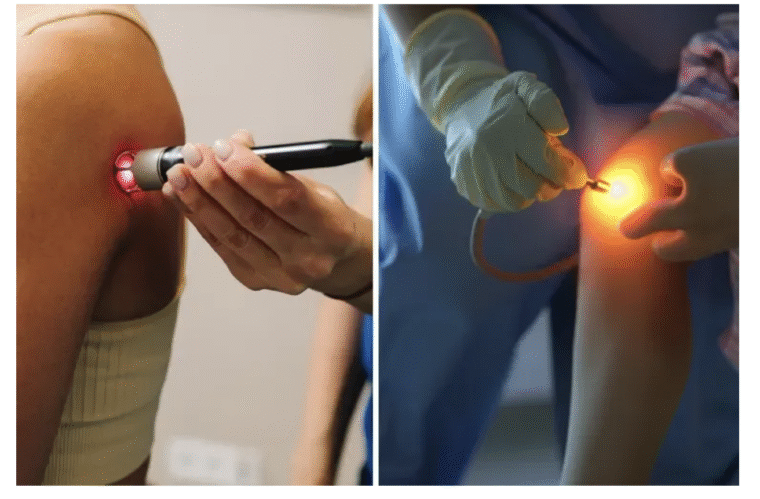
Stiff knees, achy hips, a shoulder that complains every time you reach overhead — joint discomfort has a way of turning simple tasks and workouts into something you have to think twice about. The good news is that taking care of your joints doesn’t have to mean an expensive parade of treatments or equipment.
Alongside movement and other strategies, some people are also exploring at-home light therapy devices for arthritis as part of a broader approach to joint wellness. Red light therapy is worth a look for anyone curious about low-cost, at-home options but it works best as a complement to medical care, exercise, and other recommended treatments, not a replacement for them
Start With the Basics of Joint Health
It’s good to keep in mind that the simplest joint-health routines are often the most effective. Regular walking is a simple form of physical activity that can have a significant effect without causing undue strain on the body and helps keep joints mobile and muscles engaged.
Strengthening of vulnerable joints, particularly knees and hips, helps to evenly distribute the stress and can help relieve the pressure with time. Having a healthy weight helps to take the daily strain on your joints, and good sleep allows your body to repair and recover.
Proper hydration is important for general tissue health and the right shoes with adequate support can prevent unnecessary stress from the ground up. None of this requires a big budget but just consistency.
What Is Red Light Therapy?
Red light therapy uses specific wavelengths of red and near-infrared light, typically delivered through LED panels, handheld devices, or wraps. The idea behind it is a process called photobiomodulation, where light energy is thought to interact with cells in a way that may influence how tissue functions.
Researchers have looked into red light therapy in connection with pain, inflammation, and tissue-related outcomes, though findings vary depending on the study, the device, and how it’s used. It’s also worth clarifying that red light therapy isn’t the same as heat therapy — it isn’t about warming the area, but about exposing tissue to particular wavelengths of light.
Where Could Red Light Therapy Fit Into a Joint-Friendly Routine?
For general joint discomfort, red light therapy might be considered as an additional wellness or recovery option layered on top of what you’re already doing — not a substitute for movement and strengthening, which should stay part of the routine regardless.
For arthritis, some people look into light-based therapies as something to explore alongside conventional management rather than instead of it. It’s important to be clear that red light therapy isn’t a treatment or cure for arthritis; any use should fit within, not replace, an existing care plan.
For knee discomfort specifically, targeted devices can appeal to people who want to focus on one area rather than treating the whole body. For people whose discomfort is concentrated around the knees, red light devices designed for knee discomfort may be another option worth researching alongside exercise, mobility work, and professional guidance.
How to Choose a Light Therapy Device Without Overspending
This is really where the budget conversation matters most, since red light devices range from inexpensive handhelds to pricier full-body panels.
Start with the treatment area — a small, targeted device makes sense if you’re focused on one joint, while a larger panel suits broader use but usually costs more.
Check the wavelengths the device actually emits rather than assuming any “red light” product does the same thing.
Look at irradiance, but don’t assume a higher number automatically means a better or more effective device — usability matters just as much.
Think honestly about session requirements: if a device needs daily 20-minute sessions, ask whether that’s realistic for your schedule. Consider device size for storage and portability, and check the warranty, especially on higher-priced devices where you’ll want some protection for the investment.
Finally, weigh the price against intended use — there’s no reason to pay for features built for full-body treatment if you only need something for one knee. Comparing specifications before buying can save you from ending up with a device that doesn’t actually match what you need it for.
Don’t Let a Wellness Gadget Replace the Basics
But while a new gadget may sound interesting and exciting, it’s important to keep in mind that the red light therapy is an optional feature and not the basis of the device itself. When it comes to joint health, exercise, strength training, sleep, nutrition and professional care do most of the work.
If pain is persistent, severe, or getting worse, that’s a signal to check in with a healthcare professional rather than reach for a gadget. Anyone with diagnosed arthritis should keep following their existing treatment plan, and whatever device you do choose, stick to the manufacturer’s safety and usage instructions.
Conclusion
Taking care of your joints doesn’t require an expensive routine. The fundamentals — movement, strength, sleep, and healthy daily habits are still the most affordable and reliable place to start.
For those curious about adding technology to the mix, red light therapy is one option worth researching, but it pays to compare devices carefully rather than choosing based on price, LED count, or marketing claims alone.
Smart wellness spending isn’t about buying the most expensive tool; it’s about finding the one that actually fits your needs and your routine.
——————————————————————————————————————————-
Meta Title: Red Light Therapy for Joint Health: A Budget Guide
Meta Description: Learn how red light therapy may fit into a budget-friendly joint health routine, including device types, wavelengths, irradiance, cost, and safety
