
The Hidden Side of Homeownership: Problems That Can Disrupt Everyday Life
Owning a home brings a sense of comfort, freedom, and pride. It also brings responsibilities many people do not expect. A house is made up of many systems that work quietly in the background, and most of the time, nobody gives them a second thought.
When one of those systems fails, however, daily life can come to a sudden stop. Knowing which issues are most likely to cause trouble helps homeowners stay calm, act quickly, and protect the place they have worked so hard to build.
When Water Escapes Where It Should Not
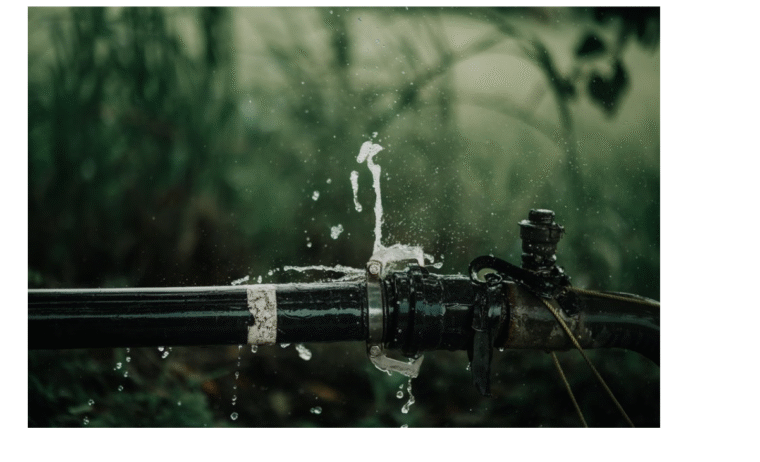
Few things upset a household faster than water showing up in places it was never meant to reach. A pipe that bursts inside a wall, under a floor, or beneath the yard can release a large amount of water in a very short time.
Fast, professional plumbing help is the best way to stop the flow and limit the damage to floors, walls, and belongings. Anyone dealing with this kind of emergency needs prompt burst pipe repair from a plumber who can use a camera to inspect damaged lines underground and replace them with far less digging. Acting quickly in these moments protects both the structure of the house and the peace of mind of everyone living in it.
Heating and Cooling Failures in Extreme Weather
A home that cannot hold a comfortable temperature quickly becomes hard to live in. When the heating stops working on a freezing night, the house can turn cold within hours, and young children, older relatives, and pets feel it first. A cooling system that quits during a summer heat wave creates a different kind of strain, making it difficult to sleep, cook, or concentrate.
These failures often give small warnings before they happen. Strange noises, weak airflow, uneven temperatures between rooms, and rising energy bills are all signs that something needs attention. Regular servicing, clean filters, and clear vents around the unit go a long way toward keeping the system running when it is needed most.
Roof Leaks and the Damage They Hide
The roof protects everything beneath it, yet it is one of the least checked parts of a home. Missing shingles, worn flashing, and clogged gutters can let rainwater slip inside slowly. Because the attic is rarely visited, a leak can continue for weeks before anyone notices a stain on the ceiling.
By the time the damage is visible, the insulation may be soaked and the wooden frame may have started to soften. Walking around the property after heavy storms, clearing gutters each season, and having the roof inspected regularly can catch these problems while they are still small and affordable to fix.
Electrical Faults That Interrupt Daily Routines
Modern households depend on electricity for nearly everything. When breakers trip often, lights flicker, or outlets feel warm to the touch, the wiring may be struggling to keep up with demand. Older homes in particular were not designed for the number of devices and appliances most families now use every day.
Electrical problems are more than an inconvenience. Faulty wiring can create a serious fire risk, so it should never be ignored or handled without proper training. Avoiding overloaded power strips, replacing damaged cords, and asking a licensed electrician to check the system can keep the household both safe and connected.
Pests That Spread Quietly
Insects and rodents rarely announce their arrival. They slip in through small gaps around doors, windows, and vents, then settle into quiet spaces such as attics, basements, and wall cavities. Many homeowners only realize there is a problem after spotting droppings, chewed wires, or damaged food packaging.
Some pests do more than create a nuisance. Termites can weaken wooden structures, while rodents can chew through insulation and wiring. Sealing entry points, storing food in closed containers, and keeping the area around the house free of clutter make the home far less inviting to unwanted guests.
Mold and Moisture Behind Walls
Mold grows wherever moisture is allowed to linger. Bathrooms without good airflow, damp basements, and areas affected by earlier leaks are common trouble spots. A musty smell is often the first clue, even when nothing can be seen on the surface.
Beyond the damage it causes to drywall and wood, mold can affect the air a family breathes every day. Using exhaust fans, running a dehumidifier in damp rooms, and drying wet areas quickly all help keep indoor air fresh. Any large patch of growth is best handled by trained professionals who can remove it safely.
Foundation Cracks and Shifting Floors
The foundation carries the weight of the entire house, so changes to it deserve close attention. Doors that suddenly stick, windows that no longer close properly, and cracks running across walls or floors can all point to movement beneath the home. Soil that swells after heavy rain and shrinks during dry spells is a frequent cause.
Small hairline cracks are often harmless, but wide or growing gaps should be checked by a specialist. Keeping rainwater directed away from the house with working gutters and properly sloped soil helps reduce the stress placed on the foundation over time.
Habits That Keep Small Issues From Growing
Most household emergencies start as minor problems that go unnoticed. Walking through the home every few months to look for stains, cracks, drafts, and odd sounds builds a clear picture of how the house is holding up. Keeping a record of service dates and past work makes it easier to plan ahead instead of reacting in a panic.
It also helps to know where the main water valve and the electrical panel are located before anything goes wrong. Teaching every adult in the household where these controls are kept makes the plan stronger. A short list of trusted local professionals saved on the phone can save valuable time during a stressful moment. With steady care and a little planning, homeowners can enjoy their space with far fewer unpleasant surprises.
