
How Seasonal Changes Affect Residential Gutter Systems
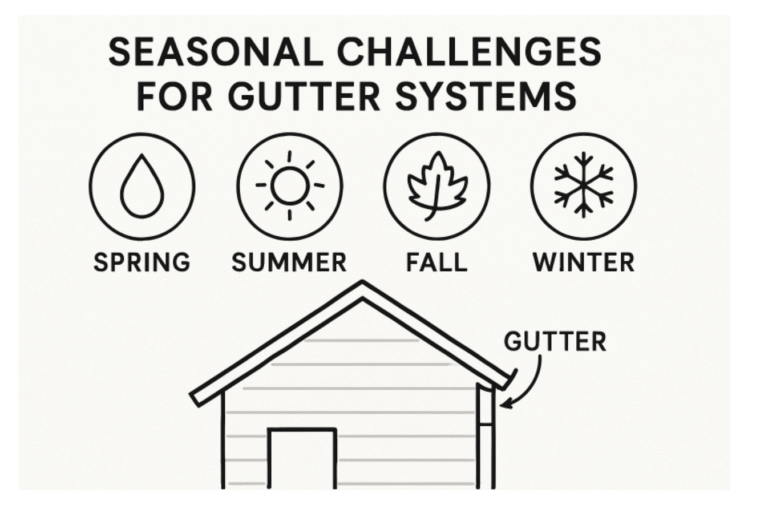
Table of Contents
- Spring: Rain and Debris Accumulation
- Summer: Heat and Thermal Expansion
- Fall: Leaf Blockages and Overflow
- Winter: Ice Dams and Freezing Concerns
- Regional Climate Variations
- Preventive Maintenance Strategies
- The Importance of Professional Inspections
- Conclusion
Residential gutters play a critical role in protecting your home from water damage by channeling rainwater away from your foundation. With every changing season, however, these systems face distinct challenges that can affect their performance and durability. Whether you are considering seamless gutters near me or maintaining your current system, understanding the impact of seasonal fluctuations is essential for every homeowner.
Each seasonal shift brings its own weather conditions and environmental factors, from spring rainstorms to winter ice. These elements can lead to clogged, overflowing, or weakened gutters, putting your home’s exterior and foundation at risk. Prevention and timely intervention are key to avoiding damage and expensive repairs. Regular inspections and cleanings should be prioritized throughout the year to ensure robust and efficient gutter function.
Homeowners may not always realize how regional climate patterns also influence gutter needs. For example, homes in windy, tree-heavy regions or areas frequently hit by storms require more maintenance than homes in drier areas. By being proactive in assessing seasonal risks, you can ensure longer-lasting, better-performing gutters year-round.
For those ready to upgrade or repair their systems, finding the right rain gutter installers near me can offer peace of mind and professional expertise, minimizing the risk of costly water damage as the seasons change.
Spring: Rain and Debris Accumulation
The arrival of spring brings substantial rainfall and a surge of new plant growth. As trees and flowers blossom, gutters often fill up with petals, twigs, and pollen. Clogged gutters can cause water to overflow, leading to potential damage to siding, landscaping, or even your home’s foundation. According to the Family Handyman, cleaning gutters a minimum of twice a year, particularly in spring, is vital for preventing blockages and ensuring effective water flow.
Summer: Heat and Thermal Expansion
Summer temperatures can soar, especially in areas that experience prolonged periods of sunlight. Metal gutters exposed to high heat may expand, which loosens screws and brackets. This thermal expansion can result in joint gaps, causing leaks or weakening the connections between gutter sections. Additionally, UV rays may degrade certain gutter materials over time, making them more prone to cracks and warping. To avoid costly repairs, routinely inspect gutters for signs of wear and confirm that supports remain secure during summer’s intense heat.
Fall: Leaf Blockages and Overflow
As trees lose their leaves in autumn, gutters are especially susceptible to clogs. Severely blocked systems prevent water from draining properly and instead cause overflow that can erode soil, stain walls, or undermine your home’s foundation. Installing gutter guards during this season offers a preventive solution by keeping leaves and large debris out while still allowing water to pass through. Regularly scheduled autumn cleaning sessions are equally critical for keeping gutters clear and operational during this leaf-heavy season.
Winter: Ice Dams and Freezing Concerns
Winter months bring the threat of freezing temperatures and snow. In colder regions, the cycle of melting snow and refreezing can create ice dams at the roof’s edge, blocking gutters and forcing water underneath shingles. This silent culprit is a leading cause of roof leaks and structural water damage. The National Weather Service recommends upgrading attic insulation and improving attic ventilation to prevent the formation of ice dams, keeping both your roof and gutters in better condition.
Regional Climate Variations
The specific challenges faced by gutter systems often depend on local weather patterns. Homes in hurricane-prone areas may need more durable gutter systems to withstand heavy rainfall and debris. Dry, arid regions with infrequent but heavy downpours introduce different risks, such as sudden, overwhelming runoff. Knowing the unique demands of your regional climate helps ensure you choose the best gutter materials and maintenance strategies for your home.
Preventive Maintenance Strategies
Routine care significantly extends the life of your gutter system and prevents unexpected failures. Essential gutter maintenance steps include:
- Cleaning gutters at least twice a year, paying special attention during spring and fall.
- Inspecting for rust, cracks, or sagging, which can indicate wear or damage.
- Ensuring downspouts direct water well away from your home’s foundation to prevent pooling and water intrusion.
- Installing gutter guards to minimize future blockages from leaves or debris.
For added protection, after strong wind or severe weather events, examine your gutters promptly to check for dislodged sections or new blockages.
The Importance of Professional Inspections
While do-it-yourself maintenance addresses many issues, a professional gutter inspection offers peace of mind by spotting hidden or developing problems. Specialists have the experience and tools to thoroughly evaluate gutter pitch, attachment integrity, and possible drainage inefficiencies. They can recommend specific solutions or upgrades, ensuring your gutters remain ready for whatever each season brings.
Conclusion
Gutter systems are a frontline defense against water damage, and their ability to function properly depends on how well they are maintained through every season. By staying proactive about cleaning, repairs, and professional assessments, homeowners can ensure that their gutters withstand the challenges brought by spring showers, summer heat, autumn leaves, and winter ice. An investment in seasonal maintenance pays dividends year-round by safeguarding your property’s value and integrity.
