
What to Fix First: A Budget-Savvy Guide to Prioritizing Home Repairs
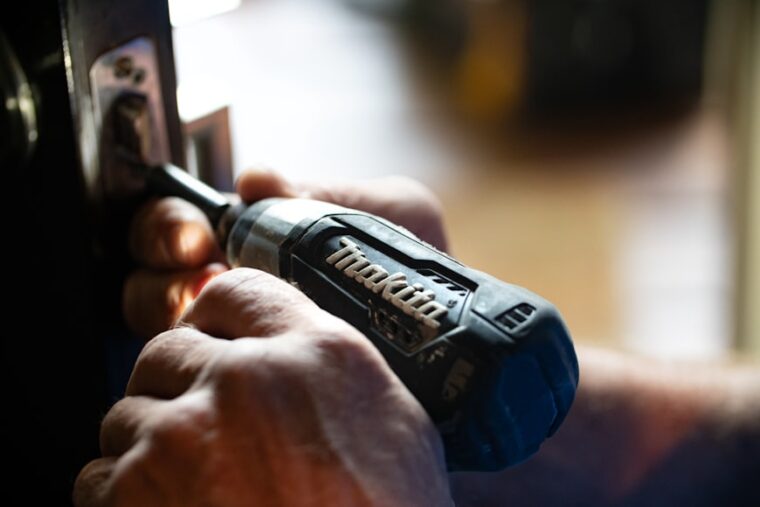
Lauding over your castle is a bit like being a parent: things always break, someone’s always hungry, and you never quite feel prepared.
Staring at peeling paint, a leaking faucet, and a suspicious stain on the ceiling is a not-so-gentle reminder that money is often in short supply.
What do you fix first without draining the grocery budget or college savings fund?
The silver lining is that prioritizing home repairs is more about strategy than spending. Here’s a guide to tackling what matters most, what can wait, and how to make every dollar count.
First Things First: Safety Always Wins
Assuming it’s a hazard to your family’s health or safety, it moves to the top of the list. No debates.
Electrical Issues
Flickering lights, outlets that spark, or breakers that trip? That’s not a poltergeist, it’s dangerous.
The National Fire Protection Association warns that electrical issues are a leading cause of house fires. Call a licensed electrician before you take on any other project.
Water Leaks and Damage
Water is sneaky. It seeps in slowly and leaves behind a nightmare.
Whether it’s a leaking roof, burst pipe, or a gutter problem that’s causing pooling near your foundation, fix it now. Not later. And speaking of gutters…
Faulty Gutters
Residents who live in the South are more prone to having broken gutters after a thorough onslaught of rain and snow. Simpsonville, South Carolina, was especially hard hit by Hurricane Helene.
Unfortunately, Simpsonville gutter installation experts had their hands full, and still do.
A word to the wise? Evaluate your gutter system to prevent future headaches.
SureFlow Gutters suggests hiring a trusted gutter company that offers gutter installation, repair, and maintenance services.
Then: Fix What Affects Daily Life
You know the stuff. The “why is there no hot water again” stuff. Once safety’s covered, move on to the repairs that affect your daily comfort and sanity.
HVAC Issues
No one wants to be freezing in February or melting in August, not with toddlers running around.
An HVAC system that acts up is worth fixing before it breaks. Thankfully, many utility companies offer rebates for energy-efficient upgrades, like those found through NYSERDA.
Plumbing Problems
A running toilet might seem harmless. However, it can waste up to 200 gallons of water a day. That’s money going down the drain. Plumbing issues left for too long can snowball into costly floor and wall repairs.
Kitchen Appliances
The microwave may be optional. The fridge? Not so much. Fix the appliances that keep food fresh, water flowing, and laundry somewhat under control.
And no, replacing your coffee maker doesn’t count as “urgent repair” (unless you’re running on 2 hours of sleep, in which case… carry on).
Next: Plan for Preventive Maintenance
This is where your future self gives you a high five. Regular maintenance helps prevent emergencies, and you don’t have to do it all at once.
Clean and Inspect the Roof and Gutters
Again, back to those gutters! Keeping them clean, particularly in rainy climates, can prevent water backup, roof leaks, and basement flooding. Check for sagging gutters and do regular gutter cleaning.
Schedule annual inspections by an experienced team or do it yourself with a trusty ladder and a little courage.
Seal Up the Drafts
A little caulk or weatherstripping around windows and doors can shave real money off your heating and cooling bills. According to Liberty Home Guard, energy efficiency fixes like these pay for themselves in a few seasons.
Replace Filters and Check Smoke Detectors
These take 10 minutes and cost under $20. They also protect your family and prolong the life of your HVAC system. It’s adulting at its finest.
When to Say “Nope, Not Yet”
Not everything needs fixing right now. Some repairs aren’t worth the money, specifically if you’re planning to sell.
Cosmetic Updates
Is the paint peeling, and are the walls solid? That mustard-yellow bathroom can wait. AOL Finance reports that many cosmetic upgrades don’t offer strong returns right before a sale.
Fancy Upgrades
Unless you’re staying for a while, that dream marble kitchen island might not be the smartest investment. Focus instead on what Bob Vila calls “high-ROI renovations” like attic insulation or a new garage door.
Things That Don’t Bug You
That creaky floorboard in the hallway is harmless. The slightly outdated tile still functions. If it’s not causing discomfort or damage, you’re officially allowed to ignore it for now.
Don’t Panic
Budgeting for fixes doesn’t have to be overwhelming.
Follow the 1% rule and save 1% of your home’s value each year for maintenance (e.g., $3,000 for a $300K home).
DIY when it makes sense. YouTube is your budget-friendly bestie, but know when to call in a pro.
The secret to staying sane (and on budget)? Tackle what’s urgent, plan for what’s not, and know that you don’t have to fix everything all at once.
